Playground Safety: Keeping Young Children Safe
Playgrounds offer children vital opportunities for physical development and social learning. This guide helps carers understand playground safety risks for children aged 4 to 7.
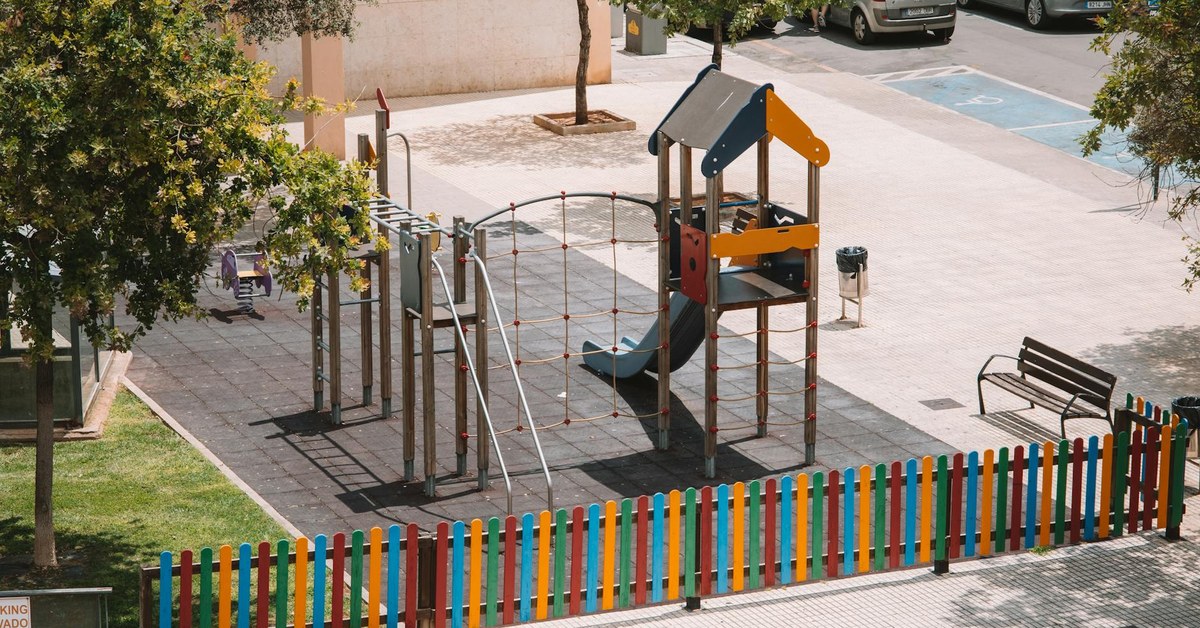

Playground Safety: Keeping Young Children Safe
“Playgrounds offer children vital opportunities for physical development and social learning. This guide helps carers understand playground safety risks for children aged 4 to 7.”
Play Is Essential, and Safety Makes It Last
Playgrounds are among the most important environments in a young child's world. Regular outdoor play on well-designed equipment supports physical development, builds coordination and balance, develops resilience and risk-taking skills, and provides essential opportunities for social interaction with peers.
At the same time, playgrounds are one of the most common settings for childhood injuries. The majority of playground injuries are preventable, and most are linked to falls, equipment hazards, and inadequate surfacing rather than to the inherent risks of active play.
The goal of playground safety education is not to discourage physical challenge. Children aged 4 to 7 need to climb, run, balance, and test their physical limits. The goal is to ensure the environment is as safe as reasonably possible, that children understand key behavioural rules, and that carers are positioned to supervise effectively.
Understanding the Most Common Playground Injuries
Understanding where playground injuries come from helps carers focus their attention on the most important risk factors.
- Falls: The leading cause of playground injuries. Most serious fall injuries involve falls onto hard surfaces from a height. This is why surface material beneath and around equipment is such a critical safety factor.
- Entrapment: Children can become entrapped when their head, neck, or clothing gets caught in openings in equipment. Drawstrings on hoods and scarves are a known hazard on climbing frames and slides.
- Impact: Collisions with moving equipment, such as being struck by a swing, or collisions between children moving at speed.
- Surface burns: Metal slides and equipment surfaces in direct sunlight can reach extremely high temperatures. In warm climates or during summer months, metal slides can cause contact burns in seconds.
Playground Surfacing: Why It Matters
The surface material beneath playground equipment is one of the most important safety factors on any playground. Hard surfaces such as concrete, tarmac, or packed earth dramatically increase the severity of fall injuries. Impact-absorbing surfaces significantly reduce this risk.
Accepted impact-absorbing surfaces for playgrounds include wood chip or bark mulch, sand, rubber matting or tiles, engineered wood fibre, and pea gravel. The depth of loose-fill surfaces is also important. A shallow layer of wood chip will not absorb impact in the same way as a correctly maintained depth. Reputable playground standards specify minimum depths for different fall heights.
When visiting a new playground, take a moment to check the surfacing. If the area beneath climbing equipment or swings is hard ground or very shallow fill material, take extra care and supervise more closely.
Equipment Checks: What to Look For
Most public playgrounds in developed countries are subject to regular inspection and maintenance by local authorities or park operators. However, the condition of equipment can change between inspections, and privately owned playgrounds may not always maintain the same standard.
Before allowing your child to play, take a brief look around the equipment for broken or missing components, sharp edges or exposed bolts, splinters or cracks in wooden equipment, openings that could entrap a child's head, damaged or very worn surfacing beneath equipment, and rubbish or hazardous objects on or around the equipment.
If you find significant safety hazards on public playground equipment, report them to the relevant local authority. Many councils and parks departments have online reporting tools.
Age-Appropriate Equipment
Most well-designed playgrounds include zones or equipment designated for different age groups. Equipment designed for older children, typically from age 8 and above, often includes greater heights, faster-moving components, and challenges that require physical capabilities beyond those of a 4 to 7-year-old.
Gently guide your child towards equipment that matches their age and developmental stage. This is not about limiting their ambition but about ensuring the equipment is designed for a body and skill level like theirs. A 5-year-old attempting a climbing wall designed for a 12-year-old faces real risks of falls from heights they are not yet physically equipped to manage.
That said, children within the 4 to 7 range vary enormously in physical ability, confidence, and coordination. Observe your individual child's capabilities and use your judgement rather than applying rigid rules.
Clothing and Equipment for Playground Safety
Appropriate clothing significantly reduces some playground hazards. Remove drawstrings and hood cords before playground visits, as these can become caught on equipment and cause strangulation. Remove scarves or ensure they are tucked securely inside clothing before climbing. Avoid loose, flowing clothing that can catch on equipment. Wear closed-toe shoes with good grip, as flip-flops and smooth-soled shoes increase the risk of slipping on climbing surfaces. Remove necklaces and jewellery that could catch on equipment.
In hot weather, check metal equipment surfaces for heat before your child uses them. Metal slides in particular can cause contact burns in summer sunshine. Touch the surface yourself before your child descends.
Supervision: Finding the Right Balance
Effective playground supervision for 4 to 7-year-olds involves a balance between close oversight and allowing the child the freedom to play, explore, and take age-appropriate risks. Position yourself where you can see your child clearly and reach them quickly if needed. Maintain visual contact as they move around the playground. Stay engaged and alert rather than absorbed in a phone or conversation.
Intervene when you observe genuine safety risks: dangerous falls, conflicts with other children that are escalating, or attempts to use equipment that is clearly inappropriate for their size or ability. Try not to intervene in every tumble or challenge, as mild physical risk-taking is a healthy and important part of play.
Teaching Children Playground Safety Rules
Alongside adult supervision, helping children understand playground safety rules builds their ability to make safer choices independently. Key rules to establish and revisit regularly include: take turns and wait patiently as pushing can cause falls; use equipment as it is designed to be used; be aware of swings and never walk in front of or behind a moving swing; tell a trusted adult if you feel hurt or if something on the equipment seems broken; and do not play with or pick up sharp objects or unknown items found on or around the playground.
Explain the reasons behind these rules in simple terms your child can understand. Children who understand the why are more likely to remember the what.
Swings: A Common Source of Injury
Swings are one of the most popular pieces of playground equipment and also one of the most common sources of impact injuries. The most frequent cause is a child walking into the path of a moving swing.
Teach your child to approach swings from the side, never from in front or behind; to wait at a safe distance for the swing to stop before moving close; to sit properly in the swing seat and hold on with both hands; and not to leap from a swing at height but to dismount when the swing has slowed to a safe point.
Slides: Safe Use Habits
Slides are another high-frequency injury site, particularly when children attempt to slide while wearing clothing that creates friction or when they slide feet-first but with legs bent under them.
Teach your child to slide feet-first, seated, with legs together. Check the slide temperature before use in warm weather. Do not allow children to slide while carrying objects that could injure them or others. For very young children in this age group (4 to 5), taller or faster slides may be too challenging. Observe your child's comfort level and encourage them to practise on shorter slides before progressing.
Inclusive Play and Awareness of Other Children
Playgrounds are shared community spaces, and part of playground safety involves being aware of other children around you. Teach your child to be kind, take turns, and be particularly mindful of younger or smaller children who may be less able to get out of the way quickly.
Reinforce that rough play, wrestling, or play-fighting is not appropriate on playground equipment where falls are a real risk. High-energy rough-and-tumble play is developmentally normal, but the playground equipment area is not the right context for it.
Key Takeaways for Families
- Check playground surfacing before letting children play. Impact-absorbing surfaces are essential safety features.
- Briefly inspect equipment for visible hazards before each visit.
- Guide children towards age-appropriate equipment.
- Remove drawstrings, scarves, and jewellery before play.
- Maintain active visual supervision while giving children space to explore.
- Teach and reinforce key playground rules, particularly around swings and slides.
- Check metal surfaces for heat in warm weather.
- Report hazardous public playground equipment to the relevant authority.
Playgrounds are places of joy, growth, and discovery for young children. With thoughtful supervision, the right environment, and clear safety habits, children can enjoy all the physical and social benefits of active play while the adults around them ensure the experience remains as safe as it is fun.