Practical Mindfulness Activities for Preschoolers: Guiding Young Children Through Big Emotions and Tantrums
Discover practical mindfulness activities to help your preschooler navigate intense feelings, reduce tantrums, and develop emotional resilience. Easy-to-implement techniques for parents.
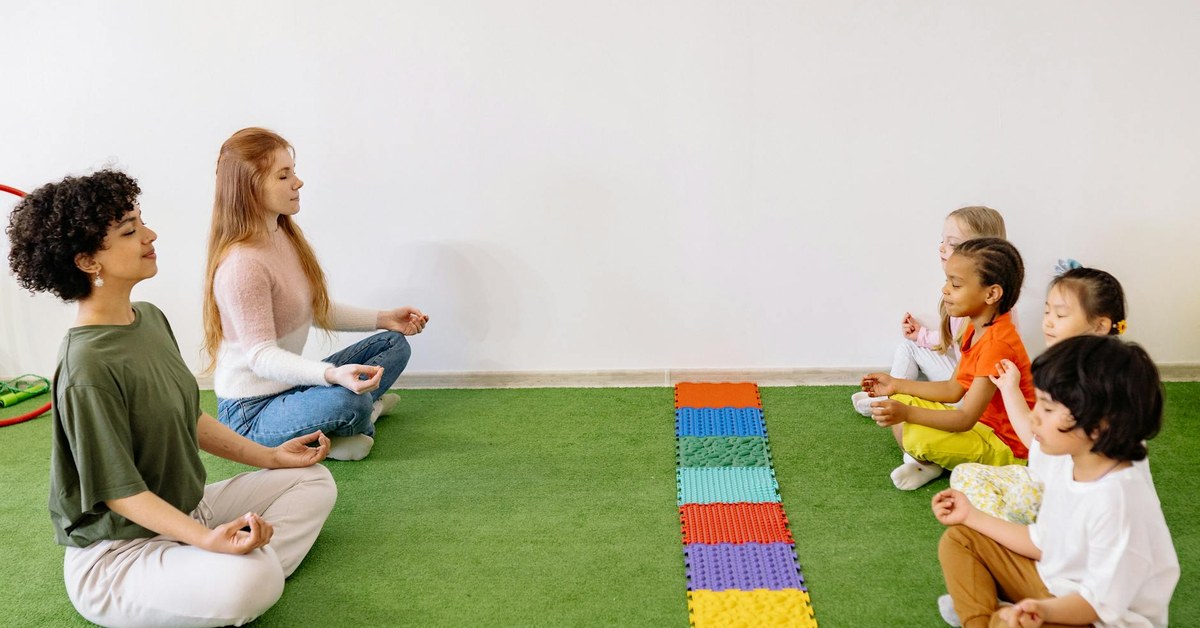

Practical Mindfulness Activities for Preschoolers: Guiding Young Children Through Big Emotions and Tantrums
“Discover practical mindfulness activities to help your preschooler navigate intense feelings, reduce tantrums, and develop emotional resilience. Easy-to-implement techniques for parents.”
Preschool years are a period of immense growth, discovery, and often, intense emotional expression. For parents, navigating a child’s “big emotions” – from joyful exuberance to frustrating tantrums – can feel overwhelming. Fortunately, practical mindfulness activities for preschoolers big emotions offer a gentle yet powerful approach to help young children develop essential emotional regulation skills, fostering calm and resilience from an early age.
Understanding Big Emotions in Preschoolers
Children aged three to five are rapidly developing their understanding of the world and their place within it. Their brains are still maturing, particularly the prefrontal cortex responsible for executive functions like impulse control, planning, and emotional regulation. This means that while they feel emotions just as intensely as adults, they lack the developed neural pathways and life experience to manage them independently.
A common scenario might involve a child reacting with a full-blown tantrum when a toy breaks or a preferred snack isn’t available. These aren’t intentional acts of defiance but rather an expression of overwhelming feelings that the child doesn’t yet know how to process. According to a 2023 review published by the American Academy of Paediatrics, early childhood emotional regulation is a significant predictor of later mental health and social competence, underscoring the importance of supportive interventions.
Mindfulness, in its simplest form, means paying attention to the present moment without judgement. For preschoolers, this translates into engaging their senses, noticing their breath, and becoming aware of their bodies and feelings in a gentle, curious way. It’s not about suppressing emotions but about creating space to observe them, which is the first step towards managing them.
The Benefits of Early Mindfulness Practice
Introducing mindful practices early can yield numerous benefits for preschoolers: * Improved Emotional Regulation: Children learn to recognise feelings like anger or sadness and develop strategies to respond calmly rather than react impulsively. * Enhanced Focus and Concentration: Simple attention-based games can help children improve their ability to concentrate on tasks. * Increased Self-Awareness: Children begin to understand their internal experiences, such as how their body feels when they are excited or frustrated. * Greater Empathy: By understanding their own feelings, children can better recognise and respond to the emotions of others. * Reduced Stress and Anxiety: Mindfulness can help children calm their nervous systems, promoting a sense of peace and security.
Practical Mindfulness Activities for Preschoolers
Integrating mindfulness into a preschooler’s day doesn’t require long, silent meditations. Instead, it involves short, playful activities that fit naturally into their world.
1. Breath Awareness Games
Breathing is a powerful tool for calming the body and mind. * Belly Breathing Buddies: Have your child lie down and place a small, soft toy (their “buddy”) on their tummy. Encourage them to watch their buddy rise and fall with each breath. “Can you make your buddy go up to the sky and then down to the ground?” * Smell the Flower, Blow Out the Candle: Ask your child to pretend to smell a beautiful flower (deep inhale through the nose) and then blow out a candle (slow exhale through the mouth). Repeat several times. * Hoberman Sphere Breathing: Use an expandable Hoberman sphere. As you inhale, expand the sphere; as you exhale, contract it. Your child can mimic the breathing pattern.
2. Sensory Exploration Activities
Engaging the senses helps ground children in the present moment. * Mindful Eating: Choose a small snack, like a raisin or a piece of fruit. Encourage your child to look at it, feel its texture, smell it, take a tiny bite and notice the flavour, and finally chew it slowly, paying attention to how it feels in their mouth. * Listening Game: Sit quietly for one minute. Ask your child to close their eyes (if comfortable) and listen for sounds both inside and outside the house. Afterwards, talk about what they heard. “Did you hear the birds? Or the washing machine?” * Texture Box/Bag: Fill a bag or box with various objects of different textures (a soft feather, a smooth stone, a rough sponge, a crinkly leaf). Have your child reach in and describe what they feel without looking.
3. Mindful Movement and Body Awareness
Movement helps children connect with their bodies and release energy. * Shake It Out: Encourage your child to shake their body like a wet dog, starting from their toes and moving up to their head. Then, gradually slow down until they are completely still, noticing how their body feels. * Animal Poses: Mimic animals that move slowly and deliberately, such as a cat stretching, a turtle retreating into its shell, or a snake slithering quietly. * Body Scan Story: While your child lies down, gently guide them to notice different parts of their body, from their toes to their head. “Can you feel your toes wiggling? What about your knees? Are they feeling strong today?” Make it a gentle story.
Key Takeaway: Short, playful, and consistent engagement with simple mindfulness activities like breath awareness, sensory exploration, and mindful movement can significantly enhance a preschooler’s ability to recognise and manage their “big emotions,” building a strong foundation for emotional resilience.
Integrating Mindfulness into Daily Routines
Mindfulness isn’t just for dedicated activity time; it can be woven into the fabric of daily life. * Morning Wake-Up: Instead of rushing, take a moment to stretch and notice the sounds of the morning. “How does your body feel after sleeping?” * Meal Times: Encourage children to notice the colours, smells, and tastes of their food. “What does this apple taste like? Is it crunchy?” * Transitions: Moving from one activity to another can be a trigger for tantrums. Use a gentle bell or a specific phrase to signal a shift, encouraging a moment of quiet before moving on. * Bedtime: A short body scan or “belly breathing buddies” can help children calm down and prepare for sleep. [INTERNAL: bedtime routines for young children]
An early childhood development specialist notes, “Teaching children to recognise and name their feelings, and providing them with simple tools to manage those feelings, builds a robust foundation for lifelong emotional wellbeing.” Consistency is more important than duration; even two to five minutes of mindful practice daily can make a significant difference.
Using Mindfulness to Navigate Tantrums and Challenging Behaviour
When a preschooler is in the throes of a tantrum, their emotional brain has taken over, making rational thought impossible. Mindfulness can equip both parent and child with tools to navigate these storms more effectively.
For the Child:
- Calm Corner: Create a designated “calm corner” in your home with soft cushions, blankets, quiet toys, and perhaps some visual aids for breathing (like a pinwheel). This is not a punishment area but a safe space for self-regulation.
- Feeling Faces: Use picture cards or drawings of different facial expressions to help your child identify what they are feeling. “Are you feeling angry like this face, or sad like this face?” Naming the emotion is the first step towards managing it.
- Sensory Calming Tools: Offer a squeeze ball, a weighted lap pad, or a bottle filled with glitter and water (a “calm down jar”) for visual focus.
For the Parent: Mindful Parenting Techniques
Your own calm presence is the most powerful mindfulness tool you can offer your child during a tantrum. 1. Pause Before Reacting: When your child begins to escalate, take a deep breath yourself. This short pause allows you to respond thoughtfully rather than react impulsively. 2. Acknowledge and Validate: Get down to your child’s eye level. Acknowledge their emotion without judgement. “I see you’re really angry that the block tower fell down.” or “It looks like you’re feeling very frustrated right now.” 3. Offer Co-Regulation: During intense moments, your child needs you to be their external regulator. Hold them gently (if they allow it), speak in a calm voice, or simply sit with them, offering quiet presence. 4. Model Calmness: Children learn by observing. When you remain calm during their storm, you teach them that big emotions can be weathered without breaking. 5. Re-engage After the Storm: Once the tantrum subsides and your child is calm, gently discuss what happened. “Remember how we did our belly breaths? Maybe next time we can try that when you start to feel frustrated.” [INTERNAL: positive parenting strategies]
Organisations like UNICEF advocate for early childhood development programmes that equip parents with tools to support children’s emotional wellbeing, highlighting the universal need for these skills.
What to Do Next
Implementing mindfulness with preschoolers is a journey, not a destination. Start small, be consistent, and remember that your patience and presence are your child’s greatest guides.
- Choose One Activity to Start: Select just one breathing game or sensory activity from this article and try it with your child for a few minutes each day for a week. Observe their responses.
- Create a “Calm Corner”: Designate a small, comfortable space in your home where your child can go to self-regulate when feeling overwhelmed. Involve them in setting it up.
- Practise Mindful Moments Yourself: Model mindfulness by taking a few deep breaths when you feel stressed, or by simply noticing the sights and sounds around you. Your child learns best by watching you.
- Observe and Adapt: Pay attention to which activities your child enjoys most and when they seem most receptive. Adjust your approach based on their unique personality and needs.
Sources and Further Reading
- American Academy of Paediatrics. (2023). Building Blocks of Emotional Regulation: A Review for Paediatricians. Available from: aap.org
- NSPCC. Positive Parenting. Available from: nspcc.org.uk
- UNICEF. The State of the World’s Children 2022: Profoundly Worried. Available from: unicef.org
- NHS. Children’s mental health. Available from: nhs.uk