Rail and Train Travel Safety for Older Adults
Train travel is one of the most accessible and comfortable ways for older adults to explore their country and the world. But rail journeys come with specific safety considerations. This guide covers boarding safely, navigating stations, avoiding theft, and travelling with confidence by rail.
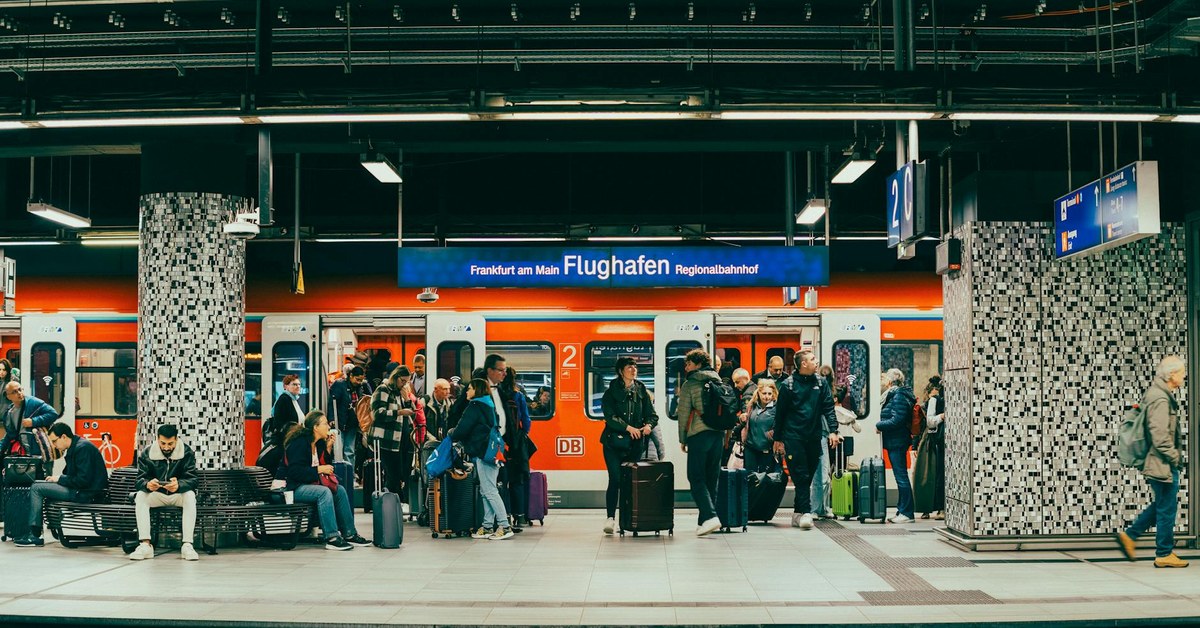

Rail and Train Travel Safety for Older Adults
“Train travel is one of the most accessible and comfortable ways for older adults to explore their country and the world. But rail journeys come with specific safety considerations. This guide covers boarding safely, navigating stations, avoiding theft, and travelling with confidence by rail.”
Why Rail Travel Suits Older Adults So Well
Rail travel has long been a favourite mode of transport for older travellers. Compared with flying, train journeys typically involve less time at security, more legroom, freedom to move around during the journey, and scenic routes that are pleasurable in themselves. Compared with driving, rail removes the physical demands and concentration required at the wheel, particularly valuable for older adults who may no longer feel confident on unfamiliar roads in foreign countries.
In many parts of the world, extensive rail networks make it possible to travel between major cities, coastal towns, and rural regions in comfort. High-speed rail services across Europe, Japan, and increasingly China, the USA, and Australia, bring distant destinations within easy reach of a few hours. Many rail operators also offer specific concessions, assistance services, and accessibility provisions that make train travel particularly suitable for older passengers.
Despite these advantages, rail travel does carry specific safety considerations. Crowded stations, unfamiliar ticketing systems, the physical challenge of boarding and alighting, and the risk of theft in busy environments all deserve attention. Understanding these risks and preparing for them makes the difference between a journey that flows smoothly and one that becomes stressful or unsafe.
Planning Your Rail Journey
Good preparation removes many of the potential problems before your journey begins.
Book tickets well in advance where possible, particularly for long-distance or international journeys. Advance booking typically offers lower prices and guarantees a reserved seat. For older travellers who may struggle with crowded trains or standing, a reserved seat is especially important. In some countries, seat reservations are mandatory on high-speed services; in others, they are optional but strongly advisable.
Research any assistance services offered by your rail operator. Most national rail networks in Europe, Australia, and North America offer assistance programmes for passengers with reduced mobility, including help with boarding and alighting, baggage assistance, and platform escort services. These must typically be booked in advance, sometimes 24 to 48 hours before travel. Contact the rail operator directly or book through their website.
Check the specific station layouts for your departure and arrival points. Large city stations can be extraordinarily complex, with many platforms, levels, and intersecting lines. Knowing in advance which platform your train departs from, where the lifts or ramps are located, and where the taxi rank or bus connections are found reduces stress and navigation time significantly. Many rail operators publish station maps online.
If you are travelling with significant luggage, consider whether a luggage forwarding service would be useful. Services operating in many countries allow you to send bags directly to your hotel or destination ahead of your arrival, freeing you from managing heavy cases at busy stations.
At the Station: Navigating Safely
Railway stations, particularly large urban terminals, present specific safety challenges.
Allow more time than you think you need. Older travellers who require accessible routes, such as lifts rather than escalators or stairs, may find these routes take significantly longer. At very busy times, lifts can have queues. Building in extra time eliminates the need to rush, which is when falls and accidents most commonly occur.
Platforms can be narrow and crowded, particularly at peak times. Stand well back from the platform edge until the train has stopped and doors have opened. Some platforms have yellow safety lines that mark a safe distance from the edge. Never attempt to run for a train that is about to depart. The risk of a fall far outweighs the inconvenience of waiting for the next service.
When boarding a train, take care with the gap between the platform and the carriage door. This gap varies significantly between different train types and station designs and can be large enough to cause a fall. Take your time, use any handrails available, and do not hesitate to ask station staff for a boarding ramp or step if one is available.
Heavy luggage and steps do not mix well. Request assistance if you need it. Most rail staff are trained to assist passengers with luggage and mobility needs. If you are travelling alone with heavy cases, consider using luggage with wheels, packing lighter, or using a luggage forwarding service as noted above.
Onboard Safety and Comfort
Once aboard, a few habits contribute significantly to a safer and more comfortable journey.
Store luggage in overhead racks or designated storage areas carefully. Heavy items placed in overhead racks can shift during the journey and fall when the rack is opened, particularly on trains that travel at speed or that brake firmly at stations. If a bag is heavy, consider placing it in a luggage area at the end of the carriage rather than overhead.
Keep your personal belongings, particularly valuables such as your phone, wallet, passport, and travel documents, close to your body at all times. Train carriages, particularly in tourist areas and at busy times, are targeted by opportunistic thieves who may operate in pairs or groups. One person distracts you while another takes your belongings. Keep bags on your lap or between your feet rather than on empty seats or in overhead racks above you.
Be aware of your surroundings when moving through the train. Corridors can be narrow and trains can move unpredictably. Hold onto seat backs or handrails when walking through the carriage, and move more slowly than you might indoors. The consequences of a fall on a moving train can be serious.
If you have a medical condition that may require attention during the journey, carry relevant medication in your hand luggage, not in checked baggage or the overhead rack. Inform a travel companion or train guard at the start of the journey if you have a condition that might require rapid intervention.
Avoiding Theft on Trains
Theft on trains and in train stations is a consistent problem in many countries. Being aware of common tactics helps you protect your belongings.
Pickpockets frequently operate on crowded platforms and in busy carriages. They work in groups, using physical contact or distraction to access pockets and bags. Be particularly alert in situations where crowds press together, such as boarding and alighting, and when someone unexpectedly bumps into you or asks a distracting question.
Bag snatching occurs both on platforms and from open windows or doors at station stops. Keep bags away from train windows and doors, particularly at stations. Do not leave phones or other valuables resting on the window ledge.
Overnight sleeper trains require extra care. If travelling overnight, keep valuables in a secure inside pocket or in the lockable safe if provided. Some experienced travellers thread a bag strap or luggage lock around a fixed part of the bunk or rail to make bags harder to remove quietly. Be cautious about revealing the contents of your wallet or luggage to other passengers.
Carry photocopies or digital photos of your passport and travel documents stored separately from the originals. If your documents are stolen, having copies significantly speeds up the replacement process.
Managing Disruptions and Delays
Train delays, cancellations, and unexpected changes of platform or train can be stressful, particularly when navigating an unfamiliar station or travelling alone.
Download the rail operator's app before your journey, as these typically provide real-time updates on delays and platform changes. Alternatively, follow departure boards in the station. If you are unsure about a platform change or disruption, ask station staff directly rather than following the crowd, as large groups can sometimes head toward the wrong train.
If you miss a connection due to a delay caused by the rail operator, most operators are required to provide alternative travel or compensation. Keep your ticket and ask station staff for assistance or a delay repay claim form.
Know how to contact emergency services from within the country you are travelling in. In most European countries, the emergency number is 112. In the UK, it is 999. In the USA, it is 911. In Australia, it is 000. These numbers work on mobile phones even without a local SIM card in many cases.
International Rail Travel
Travelling by train across international borders requires specific preparation.
Ensure your passport is valid for the entire duration of your journey and any layover in countries you will transit through. Some countries require your passport to be valid for six months beyond your travel dates. Research visa requirements for every country you will travel through, including transit countries where you leave and re-board the train.
Keep your passport, tickets, and travel documents accessible but secure at border crossing points. Border checks on international trains can happen at any time of day, including during overnight journeys when you may be sleeping. Keep documents in an inside pocket or a travel wallet worn beneath clothing.
Be aware of import and export restrictions when crossing borders by train. The rules on bringing food, medication, and certain goods across specific borders vary considerably. Declare anything that requires declaration to avoid delays or confiscation.
Rail Passes and Senior Concessions
One of the significant advantages of rail travel for older adults is the range of concession fares and passes available.
Many national rail networks offer senior railcards or concession passes for adults over a certain age, typically 60 or 65, that provide substantial discounts on standard fares. In the UK, the Senior Railcard offers a third off most fares. Interrail and Eurail passes for European travel offer senior discounts. Japan's rail passes, available to foreign visitors, provide excellent value for exploring the extensive Japanese rail network.
Research the specific passes and discounts available for your destination before booking. The savings can be considerable, and the unlimited travel freedom offered by rail passes is particularly well suited to the flexible, exploratory style of travel that many older adults enjoy.