Beyond Tantrums: How to Recognize Subtle Behavioral Signs of Anxiety in Children
Learn to differentiate anxiety from typical child behavior. Discover subtle behavioral signs of anxiety in children often mistaken for defiance or shyness.
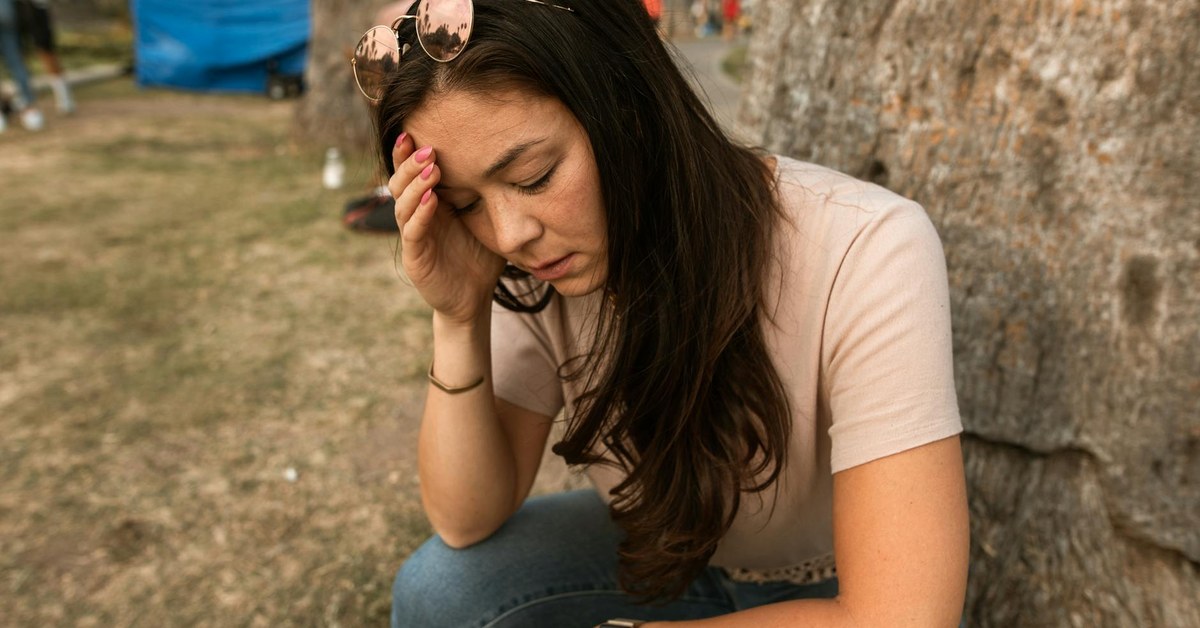

Beyond Tantrums: How to Recognize Subtle Behavioral Signs of Anxiety in Children
“Learn to differentiate anxiety from typical child behavior. Discover subtle behavioral signs of anxiety in children often mistaken for defiance or shyness.”
Children often communicate their inner worlds through their behaviour, and sometimes, what appears to be defiance, shyness, or a simple “phase” can actually be a cry for help from an anxious mind. Recognising these subtle behavioral signs of anxiety in children is crucial for early intervention and support. Unlike adults who might articulate their worries, children, especially younger ones, may not have the vocabulary or self-awareness to express feelings of anxiety directly. Instead, their distress manifests in less obvious, often misinterpreted, actions and reactions. This article will guide you through identifying these hidden indicators, helping you understand the invisible burden many children carry.
The Invisible Burden: Why Anxiety Hides in Children
Anxiety is a normal human emotion, but when it becomes excessive, persistent, and interferes with daily life, it can significantly impact a child’s development and wellbeing. According to the World Health Organisation (WHO), approximately 1 in 7 (14%) adolescents aged 10-19 years globally experience a mental health condition, with anxiety disorders being among the most common. However, these statistics often underestimate the true prevalence because many cases go unrecognised or misdiagnosed due to the subtle ways anxiety presents in younger populations.
Children’s brains are still developing, which means their capacity for emotional regulation and verbal expression is different from adults. A child experiencing anxiety might not say, “I feel worried about school.” Instead, they might cling to a parent, refuse to go to school, or become unusually irritable. “Children often lack the cognitive tools to label their internal states accurately,” explains a leading child psychologist. “Their anxiety is externalised through behaviour because that’s their primary mode of communication.”
It is easy to dismiss these behaviours as typical childhood antics or personality traits. A child who avoids eye contact might be labelled “shy,” a child who struggles with homework might be seen as “lazy,” and a child who melts down over minor changes might be considered “dramatic.” However, consistent patterns of these behaviours, especially when they impact a child’s functioning, warrant closer examination.
Key Takeaway: Children often express anxiety through behaviour rather than words due to their developing cognitive and emotional regulation skills. Misinterpreting these subtle signs can delay crucial support.
Decoding Behaviour: Subtle Signs of Anxiety
Unpacking the various ways anxiety can manifest allows parents and caregivers to look beyond the surface and understand the underlying emotional struggle. Here are some key areas where subtle behavioural signs of anxiety in children often appear:
Physical Manifestations Without Obvious Illness
Anxiety can have profound physical effects, often leading to complaints that seem to come out of nowhere. * Frequent Stomach Aches or Headaches: A child might regularly complain of a tummy ache or headache, especially before school, social events, or new situations. Medical checks may reveal no physical cause. * Fatigue or Lethargy: Despite adequate sleep, an anxious child might seem unusually tired, lacking energy, or struggle to get out of bed. The mental effort of managing anxiety is exhausting. * Muscle Tension or Restlessness: They might fidget, bounce their legs, clench their fists, or have unexplained aches and pains. * Changes in Appetite: This could be a sudden loss of appetite, refusal to eat certain foods, or, less commonly, an increase in comfort eating.
Social Changes and Withdrawal
Anxiety often impacts a child’s social interactions, leading to behaviours that might be mistaken for shyness or disinterest. * Increased Clinginess or Separation Difficulty: A child who previously separated easily might suddenly become extremely clingy, refuse to leave a parent’s side, or have intense meltdowns at drop-offs. * Social Withdrawal or Avoidance: They might stop participating in activities they once enjoyed, avoid playdates, or prefer to play alone even when opportunities for social interaction exist. * Excessive People-Pleasing: Anxious children sometimes become overly eager to please others, constantly seeking approval to avoid perceived negative judgment or conflict. * Difficulty Making or Keeping Friends: Their anxiety might make them overly self-conscious, leading to awkward social interactions or withdrawal that pushes peers away.
Academic and Cognitive Shifts
School environments can be significant triggers for anxiety, and its effects can show up in learning and academic performance. * Perfectionism and Over-Revising: Anxious children might spend excessive time on homework, constantly checking and re-checking their work, fearing mistakes or criticism. This isn’t about striving for excellence, but about fear of failure. * Avoidance of Schoolwork or Activities: They might procrastinate, complain of feeling unwell to miss school, or refuse to participate in certain lessons (e.g., presentations, group work). * Difficulty Concentrating: While often attributed to attention issues, anxiety can make it incredibly hard for a child to focus on tasks, leading to poor academic performance despite their capabilities. * Excessive Reassurance Seeking: Repeatedly asking “Am I doing this right?” or “Is this okay?” even after being told it is, indicates a deep-seated worry about competence.
Emotional Regulation Difficulties
Anxiety can overwhelm a child’s ability to manage their emotions, leading to what looks like “bad” behaviour. * Increased Irritability or Mood Swings: Minor frustrations might trigger disproportionately strong reactions, including anger, tears, or defiance. They may seem constantly on edge. * Sudden Outbursts or “Meltdowns”: These are not typical tantrums but rather an expression of being overwhelmed by internal distress, often triggered by seemingly small changes or demands. * Overreactions to Minor Setbacks: A small mistake or a change in plans can lead to intense emotional distress, far beyond what the situation warrants. * Difficulty with Transitions: Moving from one activity to another, or from home to school, can be incredibly challenging, leading to resistance and emotional distress.
Sleep and Eating Patterns
Basic physiological functions are often disturbed by underlying anxiety. * Difficulty Falling or Staying Asleep: Racing thoughts, worries about the next day, or general restlessness can prevent a child from sleeping soundly. * Nightmares or Night Terrors: Frequent disturbing dreams can be a sign of unresolved anxieties. * Changes in Eating Habits: This might include suddenly becoming a “picky eater,” refusing previously enjoyed foods, or developing rituals around eating.
Differentiating Anxiety from Typical Child Behaviour
It is vital to distinguish between normal developmental phases and persistent anxiety. Children naturally experience shyness, occasional tummy aches, or resistance to certain tasks. The key differentiators for anxiety are:
- Persistence: The behaviours are not fleeting; they occur consistently over weeks or months.
- Intensity: The reactions are often disproportionate to the trigger.
- Impact on Functioning: The behaviours interfere with the child’s ability to participate in school, maintain friendships, or enjoy family life.
- Pattern: Look for clusters of these subtle signs rather than isolated incidents.
“Parents should consider the duration, intensity, and pervasiveness of the behaviour,” advises an educational psychologist. “Is it a one-off reaction, or a recurring pattern that significantly impacts the child’s quality of life across multiple settings – home, school, and social environments?” Observing these patterns over time provides crucial insights.
Empowering Parents: Practical Strategies for Support
Recognising these subtle behavioral signs of anxiety in children is the first step. The next is to provide compassionate and effective support.
- Validate Feelings: Acknowledge your child’s emotions without judgment. Say, “I can see you’re feeling worried about going to school today,” rather than “Don’t be silly, there’s nothing to worry about.”
- Encourage Open Communication: Create a safe space for your child to talk. Use open-ended questions and active listening. Sometimes, drawing or playing can help children express what they cannot verbalise.
- Establish Predictable Routines: Consistency provides a sense of security. Visual schedules can be particularly helpful for younger children to understand their day.
- Teach Coping Strategies: Introduce simple relaxation techniques like deep breathing (“smell the flower, blow out the candle”), progressive muscle relaxation, or mindfulness exercises appropriate for their age. [INTERNAL: Age-Appropriate Mindfulness Activities for Kids]
- Promote Healthy Habits: Ensure adequate sleep, a balanced diet, and regular physical activity, which are fundamental for mental wellbeing. Limit screen time, especially before bed.
- Break Down Tasks: For perfectionist or avoidant children, break down overwhelming tasks into smaller, manageable steps. Celebrate small achievements.
- Seek Professional Help: If the anxiety is persistent, severe, or significantly impacts your child’s daily life, consult a healthcare professional. Paediatricians, child psychologists, or school counsellors can offer assessment and guidance. Organisations like UNICEF and the NSPCC provide valuable resources and helplines for parents concerned about child mental health.
Key Takeaway: Early recognition of subtle anxiety signs allows parents to implement supportive strategies, teach coping mechanisms, and seek professional help when necessary, significantly improving a child’s long-term wellbeing.
What to Do Next
- Observe and Document: Keep a diary of specific behaviours, triggers, and the duration/intensity of reactions. This information will be invaluable if you seek professional help.
- Communicate with School: Share your observations with teachers or school staff. They may notice similar patterns or provide additional context from the school environment.
- Introduce Calming Techniques: Practice simple breathing exercises or mindfulness activities with your child regularly, even when they are not anxious, to build their coping toolkit.
- Consult a Healthcare Professional: If you have ongoing concerns, schedule an appointment with your child’s doctor or a child mental health specialist for an assessment and tailored advice.
- Educate Yourself: Learn more about child anxiety from reputable sources to better understand and support your child. [INTERNAL: Understanding Different Types of Childhood Anxiety]
Sources and Further Reading
- World Health Organisation (WHO): Adolescent mental health
- UNICEF: The State of the World’s Children 2021 - On My Mind: promoting, protecting and caring for children’s mental health
- NSPCC: Worried about a child’s mental health
- YoungMinds (UK): Childhood anxiety symptoms
- Child Mind Institute: Anxiety in Children