Renter-Friendly Furniture Anchoring: Secure Your Home Without Damaging Walls
Discover effective, renter-friendly furniture anchoring solutions to prevent tip-overs and ensure child safety without causing permanent damage to your walls.
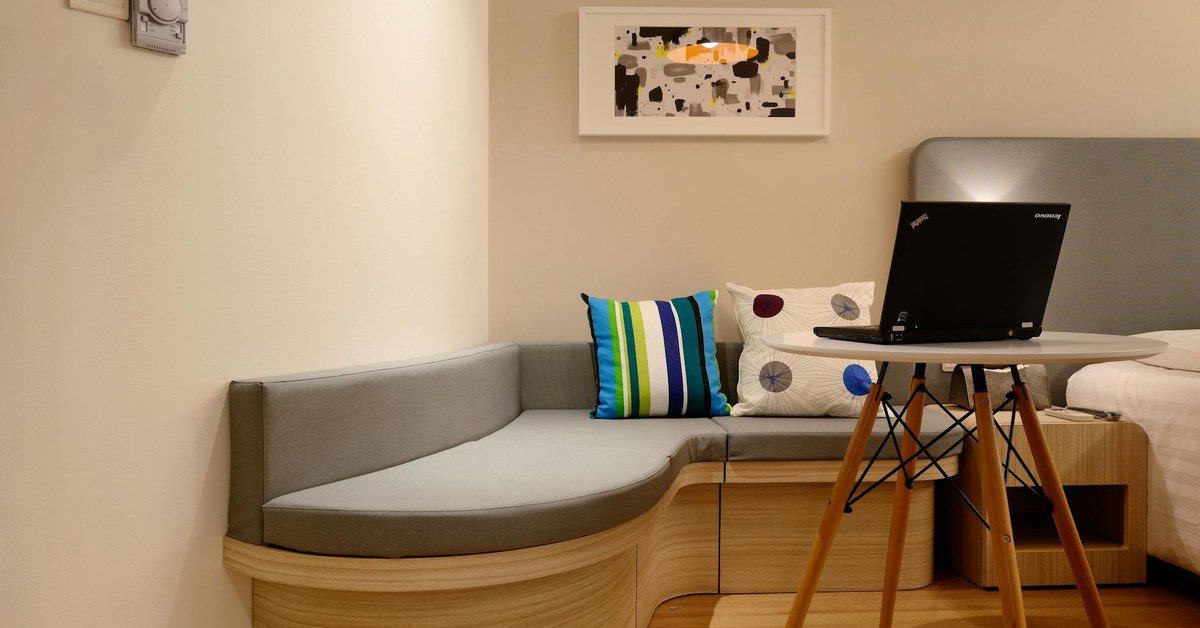

Renter-Friendly Furniture Anchoring: Secure Your Home Without Damaging Walls
“Discover effective, renter-friendly furniture anchoring solutions to prevent tip-overs and ensure child safety without causing permanent damage to your walls.”
Creating a safe home environment is a top priority for families, especially those with young children. However, for individuals living in rented properties, the challenge of implementing child safety measures like furniture anchoring can seem daunting due to concerns about damaging walls and losing a security deposit. This article explores effective, renter-friendly furniture anchoring solutions that prevent dangerous tip-overs and ensure your child’s safety without causing permanent damage to your walls.
The Critical Need for Furniture Anchoring in Every Home
Furniture tip-overs pose a significant, yet often underestimated, hazard to children worldwide. Heavy items such as chests of drawers, bookshelves, and televisions can become unstable and fall if a child climbs on them, pulls out drawers, or bumps into them.
According to a 2023 report compiled from various safety organisations, furniture and TV tip-overs cause hundreds of thousands of injuries and tragically, dozens of fatalities each year globally, with children under six years old being most at risk. These incidents often occur quickly and silently, making prevention paramount. Organisations like the Royal Society for the Prevention of Accidents (RoSPA) in the UK, the US Consumer Product Safety Commission (CPSC), and UNICEF consistently highlight the importance of securing furniture to prevent these preventable tragedies.
“Every piece of furniture that could potentially tip over should be considered a hazard in a home with young children,” advises a child safety specialist. “Even seemingly stable items can become unstable when a child attempts to climb or interacts with them in unexpected ways. Anchoring is a simple, yet life-saving measure.”
Implementing temporary furniture restraints is not just a recommendation; it is a vital component of comprehensive child safety planning for any home, including rental properties.
Understanding Renter-Friendly Solutions: Damage-Free Safety
The core principle behind renter-friendly furniture anchoring is preventing tip-overs without leaving permanent marks, holes, or damage that could impact your tenancy agreement. This means avoiding traditional screws directly into plasterboard or studs where possible, or opting for solutions that use minimal, easily repairable damage.
When selecting damage-free furniture anchors, consider these key factors:
- Removability: Can the anchor be removed cleanly without leaving residue or holes?
- Strength: Is it strong enough to secure the furniture item effectively?
- Wall Type Compatibility: Does it work with plasterboard, brick, or other wall materials common in your rental property?
- Furniture Type Compatibility: Is it suitable for wardrobes, chest of drawers, TV stands, or bookshelves?
Effective Renter-Friendly Furniture Anchoring Systems
A range of innovative products and techniques can help you achieve rental home child safety without jeopardising your deposit. Here are some of the most effective no-drill furniture straps and temporary solutions:
1. Heavy-Duty Adhesive Furniture Straps
These systems utilise strong, industrial-grade adhesive pads that attach to both the furniture and the wall. They are designed to hold significant weight and are often tested to prevent tip-overs.
- How they work: One adhesive pad adheres to the top rear of the furniture, and another to the wall behind it. A strong strap or cable connects the two, preventing forward tipping.
- Pros:
- No drilling required, making them ideal no-drill furniture straps.
- Relatively easy to install and remove.
- Many brands offer adhesive specifically designed for clean removal.
- Suitable for a wide range of furniture types.
- Cons:
- Adhesive strength can vary; always choose reputable brands.
- May not work well on textured or heavily wallpapered surfaces.
- Requires clean, dry surfaces for optimal adhesion.
- Removal process must be followed carefully to prevent paint peeling.
- Age-Specific Guidance: Highly effective for securing furniture that young children (toddlers aged 1-3) might attempt to climb.
2. Tension-Based Pole Systems
While less common for individual furniture pieces, tension poles can be effective for securing tall, narrow items like bookcases or shelving units that sit flush against a wall or between two walls.
- How they work: A spring-loaded pole extends from the ceiling to the floor, exerting pressure to hold the furniture item in place or to create a barrier. Some systems use cross-poles to brace furniture against a wall.
- Pros:
- Completely damage-free, leaving no marks.
- Can be very sturdy for appropriate furniture types.
- Reusable.
- Cons:
- Limited applicability; best for specific furniture designs and room configurations.
- May not prevent all types of tipping, especially if the furniture itself is unstable.
- Less discreet than other options.
3. Furniture Anchors with Small, Easily Repairable Holes (with Landlord Permission)
In some cases, landlords may be amenable to minor, easily repairable modifications, especially when explained as a child safety necessity. If you have this agreement, traditional furniture straps with small screws can be an option.
- How they work: A small bracket is screwed into the back of the furniture and another into a wall stud or with a small plasterboard anchor. A strap connects them.
- Pros:
- Extremely strong and reliable.
- Widely available and often inexpensive.
- Cons:
- Requires drilling small holes, which need landlord permission.
- Requires careful patching and painting upon removal.
- Not truly “damage-free” without repair.
- Next Steps: Always obtain written permission from your landlord before drilling any holes. Document the condition of the wall before and after.
4. Non-Permanent Wall Anchors for Lighter Items
For lighter furniture items, or as an additional layer of security, certain picture-hanging strips or removable hooks can be adapted. However, these generally offer less security than dedicated furniture anchors.
- How they work: Heavy-duty adhesive strips or hooks are applied to the wall and furniture, with a strap connecting them.
- Pros:
- Very easy to install and remove.
- Completely damage-free if removed correctly.
- Cons:
- Significantly lower weight capacity; not suitable for heavy or tall furniture.
- Should not be relied upon as the sole apartment tip-over prevention method for serious hazards.
- Recommendation: Use these with caution and primarily for very light items or in conjunction with stronger methods.
Key Takeaway: When choosing renter-friendly furniture anchoring solutions, prioritise heavy-duty adhesive straps for their balance of strength and non-damaging properties. Always ensure the product is suitable for the weight and type of furniture you are securing.
Step-by-Step Installation Guide for Adhesive Furniture Anchors
Most adhesive-based temporary furniture restraints follow a similar installation process. Always refer to the manufacturer’s specific instructions, but here is a general guide:
- Read Instructions: Thoroughly read the product instructions before starting.
- Gather Tools: You’ll typically need a pencil, a spirit level, a cleaning cloth, and the anchor kit.
- Position Furniture: Place the furniture exactly where you want it to stand.
- Clean Surfaces: Clean the back of the furniture and the corresponding wall area with rubbing alcohol and let it dry completely. This is crucial for optimal adhesion.
- Mark Placement: Measure approximately two-thirds up the back of the furniture. Mark a spot on the furniture and a corresponding spot on the wall directly behind it. Ensure the strap will be taut but not stretched.
- Attach Furniture Bracket: Peel the backing from the adhesive pad of the furniture bracket and firmly press it onto the marked spot on the furniture. Apply pressure for at least 30-60 seconds.
- Attach Wall Bracket: Peel the backing from the adhesive pad of the wall bracket. Align it with your wall mark, ensuring it is level with the furniture bracket, and press firmly for 30-60 seconds.
- Connect Strap: Thread the strap through both brackets and adjust it so there is no slack. The strap should be taut, preventing any forward tilt of the furniture.
- Cure Time: Allow the adhesive to cure for the time recommended by the manufacturer (often 24-72 hours) before testing or exposing it to stress. This is critical for full strength.
- Test: Gently try to rock the furniture forward to ensure it is securely anchored.
Comprehensive Child Safety Beyond Anchoring
While renter-friendly furniture anchoring is vital, it is part of a broader strategy for rental home child safety. Consider these additional measures:
- Heavy Furniture Placement: Place the heaviest items on the lowest shelves or in the lowest drawers to reduce the centre of gravity.
- TV Safety: Secure televisions to their stands or the wall using appropriate anchoring kits, even if the TV is on a low unit.
- Cord Management: Keep electrical cords, blind cords, and appliance cords out of reach to prevent strangulation hazards.
- Drawer and Door Latches: Install child-proof latches on drawers and cupboard doors containing hazardous items or those that could be used as climbing aids.
- Constant Supervision: No safety measure replaces vigilant adult supervision, especially with young children.
[INTERNAL: Childproofing Your Rental Home: A Complete Guide]
What to Do Next
- Audit Your Home: Walk through every room in your rental property and identify all furniture items that could potentially tip over. Pay special attention to chests of drawers, bookshelves, wardrobes, and TV units.
- Research Anchor Systems: Based on your furniture types and wall materials, research specific renter-friendly furniture anchoring products, focusing on heavy-duty adhesive straps or tension-based systems. Read reviews and look for safety certifications.
- Communicate with Your Landlord: If you are considering any solution that might involve minor wall alteration, or simply to inform them of your safety efforts, have an open conversation with your landlord. Document any agreements in writing.
- Purchase and Install: Acquire the necessary anchoring kits and install them diligently, following all manufacturer instructions, especially regarding surface preparation and curing times.
- Regularly Check Anchors: Periodically inspect all installed anchors to ensure they remain secure and have not loosened or degraded over time. Re-secure or replace as needed.
Sources and Further Reading
- Royal Society for the Prevention of Accidents (RoSPA): www.rospa.com
- UNICEF Child Safety Resources: www.unicef.org
- Consumer Product Safety Commission (CPSC) – Tip-Over Information: www.cpsc.gov
- The Red Cross – Home Safety Tips: www.redcross.org