Restorative Justice for Chronic Bullying: Sustaining Peace & Preventing Recurrence in Schools
Explore how restorative justice offers effective, long-term solutions for chronic bullying in schools, fostering lasting peace and preventing recurrence through structured dialogue.
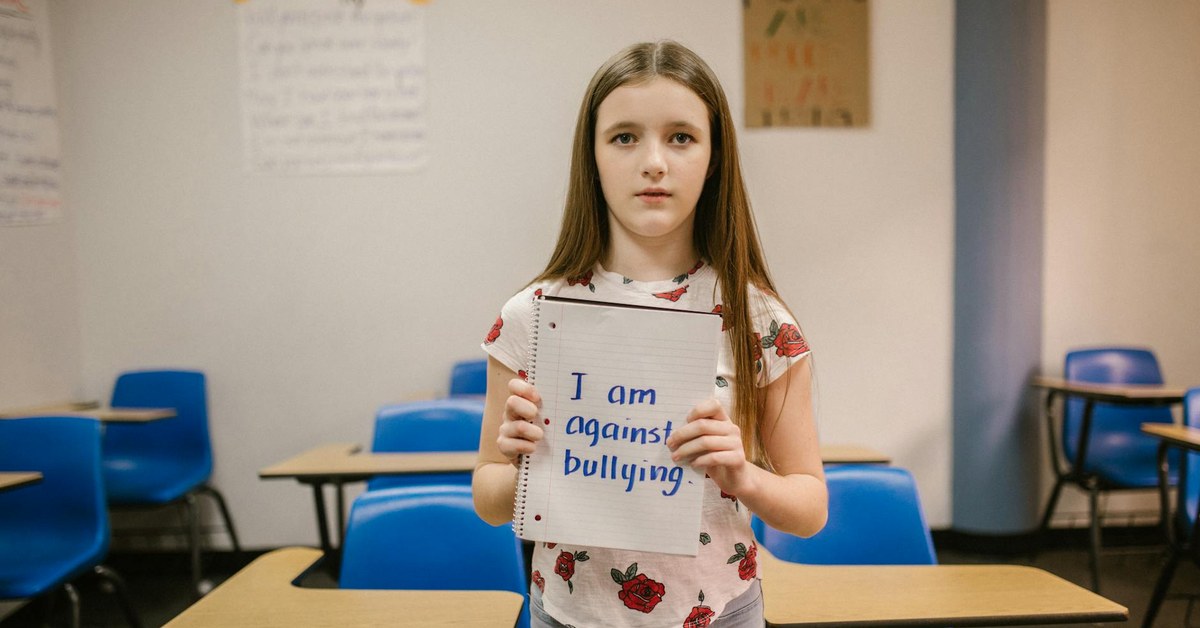

Restorative Justice for Chronic Bullying: Sustaining Peace & Preventing Recurrence in Schools
“Explore how restorative justice offers effective, long-term solutions for chronic bullying in schools, fostering lasting peace and preventing recurrence through structured dialogue.”
Chronic bullying presents a significant challenge within school environments, impacting a child’s well-being, academic performance, and overall sense of safety. While traditional disciplinary methods often focus on punishment, they frequently fail to address the root causes of conflict or prevent future incidents. This article explores how restorative justice chronic bullying interventions offer a powerful, long-term solution, fostering genuine accountability, healing, and sustained peace in educational settings.
Understanding Chronic Bullying and the Need for Effective Intervention
Bullying, defined as repeated aggressive behaviour intended to cause harm or distress, can manifest physically, verbally, socially, or digitally. When this behaviour becomes chronic, it creates a toxic environment for the victim and disrupts the entire school community. Traditional responses, such as suspensions or detentions, often remove the aggressor temporarily but do little to repair the harm caused or teach empathy and conflict resolution skills.
According to a 2019 UNICEF report, globally, 1 in 3 students aged 13-15 experience bullying. The impact extends beyond the immediate incident, with victims often suffering from anxiety, depression, and reduced self-esteem. Aggressors, too, can miss opportunities to develop crucial social-emotional skills. Without addressing the underlying issues, the cycle of repeated bullying intervention often continues, leading to further recurrence. This highlights the urgent need for persistent bullying solutions that go beyond mere consequence and focus on meaningful change.
Key Takeaway: Chronic bullying is a pervasive issue with severe long-term consequences for all involved. Traditional punitive measures often fail to prevent recurrence, necessitating approaches that address harm, foster accountability, and build positive relationships.
What is Restorative Justice?
Restorative justice is an approach to conflict resolution that focuses on repairing harm and strengthening relationships, rather than solely on punishment. In the context of school bullying, it shifts the focus from “What rule was broken?” and “Who is to blame?” to “Who has been harmed?” and “What do we need to do to make things right?”
Its core principles include: * Repairing Harm: The primary goal is to address and repair the harm caused by the bullying behaviour. * Involvement: All parties affected by the incident – the person who caused harm, the person who was harmed, and the wider community (e.g., witnesses, teachers, parents) – are given an opportunity to participate in finding a resolution. * Accountability: Those who caused harm are encouraged to take responsibility for their actions and understand the impact on others. * Relationship Building: The process aims to rebuild and strengthen relationships, fostering empathy and understanding. * Voluntary Participation: Engagement in restorative processes is typically voluntary, ensuring genuine commitment to resolution.
An educational specialist noted, “Restorative justice provides a structured platform for individuals to voice their experiences, understand perspectives, and collectively decide on a path forward. This collaborative problem-solving is fundamental for sustained school peace.” This contrasts sharply with punitive systems that often isolate individuals and deepen divisions.
Implementing Restorative Practices for Chronic Bullying
Applying restorative justice to chronic bullying requires a systematic and sensitive approach. The process typically involves trained facilitators who guide participants through a series of conversations, often using circles or conferences.
Here are the key steps in a restorative justice process for bullying:
-
Preparation and Assessment:
- Initial Conversations: Facilitators meet separately with the person who caused harm, the person who was harmed, and any witnesses or affected community members. The goal is to understand their perspectives, feelings, and what they hope to achieve.
- Readiness Assessment: Determine if all parties are willing and emotionally ready to participate in a joint meeting. This is crucial for ensuring safety and a productive outcome.
- Setting Ground Rules: Establish expectations for respectful dialogue and active listening.
-
The Restorative Conference/Circle:
- Opening: The facilitator explains the process and reiterates ground rules.
- Sharing Stories: Each participant is given an uninterrupted opportunity to share their account of what happened, how they felt, and who was affected. The person who was harmed typically speaks first.
- Understanding Impact: The person who caused harm hears directly about the impact of their actions, fostering empathy and understanding.
- Exploring Needs: Participants discuss what needs to happen to make things right, what needs to change, and how future incidents can be prevented.
- Developing an Agreement: Together, the group creates a mutually agreed-upon plan of action. This might include apologies, specific behavioural changes, community service, or a commitment to future communication.
-
Follow-Up and Support:
- Monitoring Progress: The facilitator checks in with all parties regularly to ensure the agreement is being upheld and to provide ongoing support.
- Review and Re-negotiation: If the agreement isn’t working or new issues arise, the group may reconvene to adjust the plan.
- Skill Building: Schools may offer additional support, such as conflict resolution training or social-emotional learning programmes, to help individuals develop better coping and communication skills.
For primary school children (ages 5-11), the process might involve simplified language, visual aids, and shorter sessions, focusing on concrete actions like drawing an apology picture or playing together during break. For secondary school students (ages 12-18), discussions can delve deeper into motivations, social dynamics, and the long-term consequences of behaviour, encouraging more complex problem-solving.
Benefits of Restorative Justice in Preventing Recurrence
The effectiveness of restorative practices long-term stems from their focus on addressing the root causes and effects of bullying. This approach significantly enhances school bullying recurrence prevention through several mechanisms:
- Increased Empathy and Understanding: By hearing directly about the harm caused, individuals who bullied develop a deeper understanding of the impact of their actions, which is a powerful deterrent to future negative behaviour.
- Genuine Accountability: Restorative justice encourages true accountability, where individuals take responsibility not just for breaking a rule, but for the actual harm inflicted. This contrasts with punitive measures which can foster resentment rather than remorse.
- Improved Relationships: The process aims to mend broken relationships and build a stronger, more inclusive school community. When individuals feel heard and respected, they are less likely to engage in harmful behaviours.
- Skill Development: Participants learn crucial communication, conflict resolution, and problem-solving skills that serve them well beyond the immediate incident. This is a vital component of sustained school peace.
- Empowerment of Victims: Those who have been harmed gain agency in the resolution process, helping them to heal and regain a sense of safety and control.
- Community Repair: Restorative justice involves the wider school community, fostering a culture where everyone feels responsible for maintaining a safe and respectful environment.
Research by organisations like the International Institute for Restorative Practices (IIRP) consistently shows that schools implementing restorative practices experience reductions in disciplinary incidents, improved school climate, and fewer instances of bullying. For example, a study in a large US school district found a 27% reduction in suspensions and a significant decrease in bullying referrals after implementing restorative practices.
Challenges and Considerations
While highly effective, implementing a comprehensive restorative justice programme requires commitment and resources. Potential challenges include:
- Training and Expertise: Facilitators require specialised training in restorative practices to manage complex emotions and guide difficult conversations effectively.
- Time Commitment: Restorative processes can be more time-intensive than simply issuing a punishment.
- Resistance to Change: Some staff, parents, or students may initially be sceptical of a non-punitive approach. Clear communication and demonstrating successes are key to overcoming this.
- Consistency: For restorative justice to be truly effective, it must be applied consistently across the school, becoming part of the institutional culture rather than an isolated programme.
- Safety Considerations: In severe cases of bullying or where there is a significant power imbalance, careful assessment is needed to ensure the safety and well-being of the person who was harmed throughout the process.
Addressing these challenges requires strong leadership, ongoing professional development for staff, and clear communication with all stakeholders about the benefits and implementation of restorative approaches. [INTERNAL: Building a Positive School Culture] can offer further insights into creating a supportive environment.
What to Do Next
If you are a parent, educator, or school administrator looking to address chronic bullying effectively and promote a more harmonious school environment, consider these steps:
- Advocate for Training: Encourage your school or local educational authority to invest in comprehensive training for staff on restorative justice principles and practices.
- Research and Learn: Explore resources from organisations like the International Institute for Restorative Practices (IIRP) or the Restorative Justice Council to deepen your understanding of the methodology.
- Pilot a Programme: Suggest implementing restorative practices in a specific classroom or year group as a pilot project to demonstrate its effectiveness before a wider rollout.
- Open Dialogue: Initiate conversations with school leadership, parent-teacher associations, and students about the benefits of shifting from purely punitive discipline to restorative approaches for persistent bullying solutions.
- Seek Support: Connect with other schools or districts that have successfully implemented restorative justice to learn from their experiences and best practices. [INTERNAL: Effective Communication Strategies for Parents and Schools] can help facilitate these dialogues.
Sources and Further Reading
- UNICEF. (2019). A Familiar Face: Violence in the lives of children and adolescents. Retrieved from https://www.unicef.org/reports/familiar-face-violence-lives-children-adolescents
- International Institute for Restorative Practices (IIRP). Retrieved from https://www.iirp.edu/
- Restorative Justice Council (UK). Retrieved from https://restorativejustice.org.uk/
- UNESCO. (2017). School bullying and violence: Global status report. Retrieved from https://unesdoc.unesco.org/ark:/48223/pf0000247071