Being Safe Near Roads: The Guide for Children Aged 8 to 11
As children aged 8 to 11 begin to travel more independently, road safety becomes increasingly important. This guide covers cycling safety, pedestrian awareness, and how to make good decisions near roads without constant adult supervision.
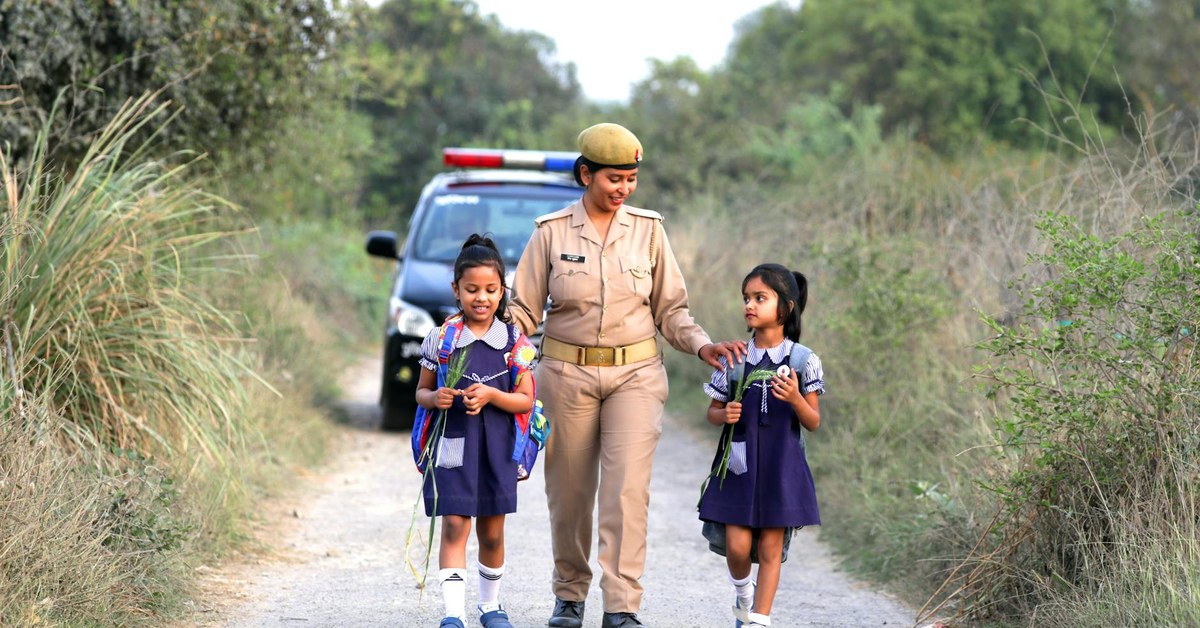

Being Safe Near Roads: The Guide for Children Aged 8 to 11
“As children aged 8 to 11 begin to travel more independently, road safety becomes increasingly important. This guide covers cycling safety, pedestrian awareness, and how to make good decisions near roads without constant adult supervision.”
The Transition to Greater Independence
Children aged 8 to 11 are at a significant transition point in their relationship with roads and outdoor spaces. Many are beginning to travel short distances independently for the first time: walking to school, cycling to a friend's house, taking a bus on their own. This growing independence is healthy and important for their development, and roads are an unavoidable part of that independent world.
Road safety at this age is less about simple rules applied with adult supervision and more about developing genuine understanding and good judgment. A child who understands why road safety rules exist, rather than just following instructions, makes better decisions in the varied and unpredictable situations they will encounter as they spend more time navigating roads without a parent at their side.
Being Seen: Visibility and Why It Matters
Drivers need to see you before they can avoid you. This sounds obvious, but it has practical implications that are worth understanding. Dark clothing makes you significantly harder to see in low light conditions, including dawn, dusk, and overcast days, as well as at night. Bright colours and reflective materials make you much easier for drivers to spot.
For children who walk or cycle in any conditions where light is reduced, including school journeys in autumn and winter, wearing a bright or reflective layer dramatically increases visibility. Reflective strips on bags, jackets, and bike helmets add to this without any change to what the child is wearing. These are not rules for young children only; they are practical safety measures that adults benefit from too.
On a bicycle, lights are legally required when cycling on public roads at night (front white light and rear red light). But the principle of being visible extends to daylight cycling too. Daytime running lights, now included on many bikes, significantly increase a cyclist's visibility in mixed traffic conditions.
Crossing Roads Safely: Beyond the Green Cross Code
Most children at this age have learned the Green Cross Code: stop at the kerb, look right, look left, look right again, and cross if it is clear. This remains a sound foundation, but children gaining independence need to understand some additional complexities.
Parked cars block sightlines. Stepping into the road from between parked cars means drivers cannot see you until you are already in the road. Whenever possible, find a crossing point where there are no parked cars in the immediate vicinity of where you step out. If you have to cross between parked cars, stop at the edge of the last car, look before stepping out further, and cross only when you can see clearly in both directions.
Electric and hybrid vehicles are significantly quieter than petrol or diesel vehicles. At low speeds, they can be almost completely silent. This means you cannot rely on hearing a vehicle approaching; you always need to look. This is particularly relevant when crossing road junctions or driveways where a vehicle might be approaching slowly.
Crossing at controlled crossings (pedestrian crossings, pelican crossings, toucan crossings) is always safer than crossing at unmarked points on busy roads. Wait for the green man signal, check that traffic has actually stopped before stepping out, and cross promptly without stopping in the road. The green man signals when it is safe to start crossing, not when it is guaranteed to remain safe; always check that traffic has stopped.
Cycling: Road Rules and Safe Habits
Children who cycle on public roads need to understand basic road rules and develop the habits that keep them safe in traffic. Always wear a properly fitted helmet. A helmet that is too large, too small, or incorrectly adjusted does not provide full protection in a fall or collision. The helmet should sit flat on the head, not tilted back, with the chin strap adjusted so that only two fingers fit between the strap and the chin.
Cycle in the direction of traffic flow, on the left-hand side of the road. Never cycle on pavements, which is illegal and dangerous for pedestrians. Use cycle lanes where they are available. Give parked cars a full door's width of clearance to avoid being hit if a car door opens suddenly; this is one of the most common cycling accidents in urban areas.
Signal before turning or changing position in the road: extend the relevant arm horizontally before turning. Make eye contact with drivers before pulling across their path or at junctions, and only proceed when you are confident the driver has seen you and is giving way. At junctions, treat a car that has not yet stopped as if it might not stop; do not assume it will.
Phones, Headphones, and Distraction
Using a phone while cycling is illegal and dangerous. Using earphones that significantly reduce your ability to hear traffic is also inadvisable. Both of these activities divide attention in a context where full attention is needed. The decision to check a notification while cycling takes only a moment, but the consequences of that moment at the wrong time can be serious.
Walking with both earphones in at full volume reduces the ability to hear approaching vehicles, particularly those that are quieter. Removing one earbud or using a lower volume setting on roads preserves this sense while still allowing music to be enjoyed. When approaching a road to cross, pause the music or look up fully before committing to a crossing.
Trusting Your Instincts
A road, route, or situation that feels unsafe probably is. If a crossing looks difficult, walk further along to find a better one. If conditions feel difficult (heavy traffic, poor visibility, a damaged road surface), take a different route. If a driver has behaved in a way that feels frightening or aggressive, give them distance and take a side road if needed.
Good judgment near roads is partly rule-following and partly the ability to read a situation and make decisions that keep you safe. That judgment develops with experience, and parents and carers who talk through road situations with children as they encounter them (rather than only in advance or in instruction mode) help children build it faster.