Road Safety for Children Walking to School
Walking to school is one of the most valuable independence-building experiences of childhood, and one of the situations where good safety habits matter most. This guide gives parents the practical knowledge to prepare their children well.
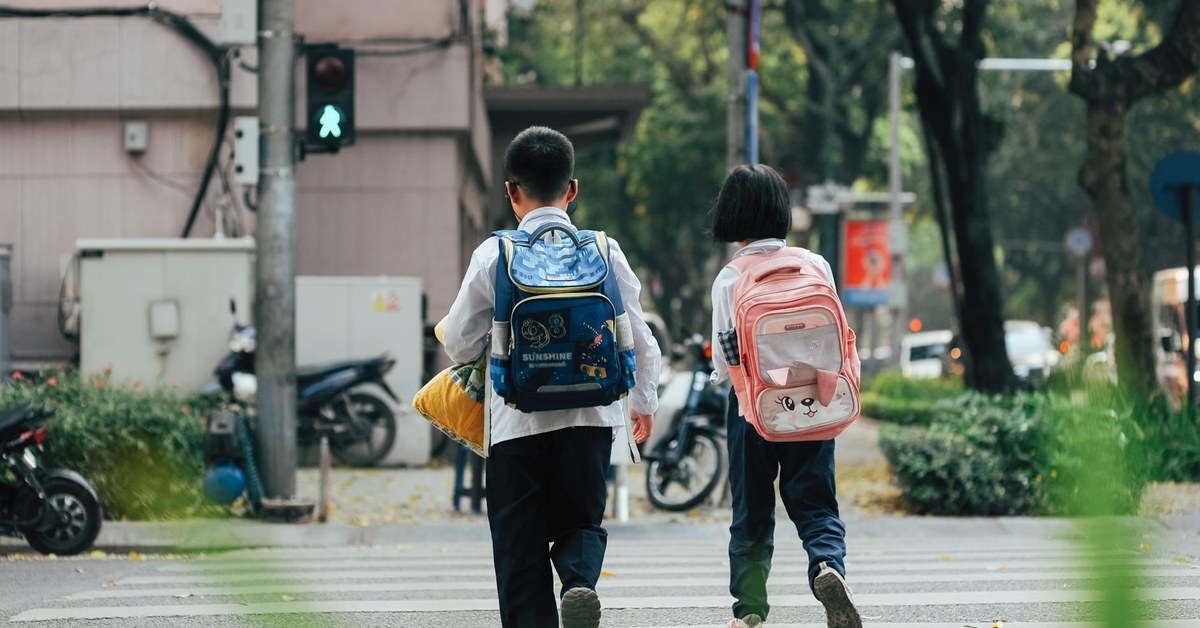

Road Safety for Children Walking to School
“Walking to school is one of the most valuable independence-building experiences of childhood, and one of the situations where good safety habits matter most. This guide gives parents the practical knowledge to prepare their children well.”
Walking to School: Worth the Effort to Get Right
The walk to school is one of the small rituals of childhood that carries enormous developmental value. It provides daily physical activity, develops independence and spatial awareness, builds a sense of the neighbourhood as a familiar and navigable place, and gives children time to transition between home and school without a screen. It is worth getting right, not by avoiding it out of caution, but by teaching children the skills they need to do it safely.
Road safety for children is not simply a matter of telling them to look both ways. It involves understanding how children of different ages perceive traffic and risk, teaching systematic habits that become automatic, and building the kind of local route knowledge that makes walking familiar rather than uncertain. This guide covers all of that, organised by age and developmental stage.
How Children Perceive Roads: The Development Factor
Children are not small adults when it comes to road safety. Their perceptual and cognitive development creates genuine limitations that are worth understanding, because they explain why simply telling children to be careful is not sufficient protection.
Children under about eight have difficulty judging the speed and distance of approaching vehicles accurately. They may see a car coming and genuinely believe they have time to cross when they do not. Their peripheral vision is also narrower than an adult's, meaning they need to turn their head more fully to see what is coming from the side.
Children are also more easily distracted and less able to divide their attention between a task (crossing the road) and a competing stimulus (a friend calling their name, a dog passing by). A child who has looked carefully before stepping off the pavement can be startled into the road by something unexpected. Teaching children to stop completely, look, and only then move, builds in a pause that gives them time to focus before acting.
Emotional state also affects road safety behaviour. Children who are excited, upset, or rushing are significantly more likely to take risks or fail to observe properly. The walk home from school, when children are often energised and distracted by friends, is statistically a higher-risk period than the morning walk.
The Green Cross Code: Teaching It Properly
The Green Cross Code remains the most useful framework for teaching children how to cross roads. Its five steps are: find a safe place to cross; stop just before you get to the kerb; look all around for traffic and listen; if traffic is coming, let it pass; when it is safe, walk straight across the road, and keep looking and listening as you cross.
Teaching this well means practising it, repeatedly, in real conditions rather than just explaining it at home. Walk the route with your child and practise the Green Cross Code at every crossing point. Narrate what you are doing and why. Ask them to lead the crossing while you observe. Give specific, constructive feedback ("Good looking both ways, next time also look behind you before stepping off") rather than general praise or criticism.
Safe crossing places include pedestrian crossings (pelican, puffin, toucan, and zebra), controlled crossings near schools, and positions where the road is straight, visibility is clear in both directions, and there are no parked cars blocking your view of oncoming traffic. Teach children to actively look for the safest crossing point rather than always crossing at the nearest point to where they are.
Route Planning and Familiarisation
Before allowing a child to walk a route independently, walk it together multiple times. Identify the specific crossing points you want them to use. Identify landmarks that tell them they are on track. Identify safe places they can go if something goes wrong: shops, libraries, schools, and houses of people they know.
Discuss what to do if the plan does not work: if a crossing is blocked, if they feel uncertain, if someone approaches them. Having a pre-agreed plan gives children confidence and ensures that if something unexpected happens, they have a framework to fall back on rather than making an ad hoc decision in the moment.
Let children lead the walk while you observe, before they walk it alone. This surface-level independence, where you are present but not directing, reveals how well they have absorbed the route and safety habits, and gives you concrete information about where more practice is needed.
Specific Hazards to Teach About
Parked cars create a visibility hazard that children need to understand explicitly. A child stepping out from between parked cars is invisible to a driver until the very last moment. Teach children to stop at the edge of any parked vehicle, look through the gap between cars as a first check, and only then step into the road to get a proper view before crossing.
Driveways and vehicle exits from car parks are a significant source of accidents involving children. Drivers reversing out of driveways are often focusing on the road they are entering and may not check for pedestrians. Teach children to treat every driveway as a potential hazard: slow down, look for reversing vehicles, and if in doubt, wait.
Distractions are one of the most significant risk factors for child pedestrians. Teach children that phones, headphones, and conversations with friends are paused during road crossings, not just reduced. The habit of stopping at a kerb and giving full attention to the crossing before proceeding is one worth establishing firmly and consistently.
Building Independence Gradually
The age at which a child is ready to walk a route independently varies significantly between children and between routes. Research by Play England suggests that most children are developmentally ready for basic independent road crossings by around eight or nine, but readiness depends on the child, the route complexity, and the volume of traffic involved. There is no single correct age.
A graduated approach works well. Walk the full route together until it is very familiar. Then walk it with the child leading while you follow. Then trial the child walking with an older sibling or trusted friend. Then solo walking with an agreed check-in at the other end. Each stage builds the child's confidence and your confidence in their ability before the next level of independence is granted.
Children who have been involved in planning their route, who understand the reasons behind safety habits rather than just following rules, and who have had real practice in real conditions, consistently demonstrate better road safety behaviour than those who have simply been told what to do. Engagement and understanding are more powerful than instruction alone.