Scooter Safety for Young Children: A Complete Parent's Guide

Scooter Safety for Young Children: A Complete Parent's Guide
Introduction
Scooters have become one of the most popular outdoor toys for young children across many parts of the world. Lightweight, easy to ride, and enjoyable for children from around the age of two upwards, they offer genuine benefits for physical development, balance, and coordination. However, scooter-related injuries are increasingly common among children aged four to seven, and many of the most serious injuries are entirely preventable with the right protective equipment, appropriate riding locations, and clear safety guidance.
This guide is intended for parents and carers of young children who ride scooters, covering everything from helmet selection and protective gear through to safe riding locations, etiquette, and what to do in the event of an injury.
The Scale of Scooter Injuries Among Young Children
Data from emergency departments in multiple countries reflects a consistent rise in scooter-related injuries among children under the age of eight. A report by the Royal Society for the Prevention of Accidents in the UK noted that scooters are among the leading causes of outdoor activity injuries in primary-school-aged children. Similarly, the American Academy of Pediatrics has highlighted scooters as a significant source of emergency department visits, with head injuries, wrist fractures, and forearm injuries featuring prominently.
The majority of these injuries occur because children are not wearing appropriate protective equipment, or because they are riding in locations that are not safe for their skill level. Both of these factors are within parental control.
Helmet Requirements
A properly fitted helmet is non-negotiable for any child riding a scooter. Head injuries sustained during scooter falls can range from minor scalp lacerations to serious traumatic brain injury. A well-fitted helmet dramatically reduces the severity of head injuries in falls.
Choosing the Right Helmet
- Select a helmet that meets a recognised safety standard. In the UK, look for helmets certified to EN 1078. In the USA, look for helmets meeting CPSC standards. In Australia, helmets must comply with AS/NZS 2063.
- For young children who also cycle, a multi-sport or cycling helmet is appropriate for scooter use as well. Skateboard helmets, which offer more rear coverage, are also suitable.
- Avoid helmets that are not certified to any safety standard, even if they look similar to certified models.
Fitting the Helmet Correctly
- The helmet should sit level on the head, not tilted back or forwards. The front edge should be approximately two finger-widths above the eyebrows.
- The side straps should form a V shape just below each ear.
- The chin strap should be fastened so that only one or two fingers can fit between the strap and the chin.
- When the child opens their mouth wide, they should feel the helmet push down slightly on their head.
- The helmet should not rock from side to side or front to back when fitted correctly.
Replace any helmet that has been involved in a significant impact, even if no visible damage is apparent. Internal foam may be compressed in ways that are not visible externally, reducing future protection.
Wrist Guards and Knee Pads
After head injuries, wrist fractures and knee injuries are the most common scooter-related injuries in young children. When a child falls forwards from a scooter, the instinct is to put their hands out to break the fall, placing enormous stress on the wrist and forearm bones. Knee impacts on hard surfaces such as tarmac or paving are also common.
Wrist Guards
Wrist guards consist of a rigid palm guard and wrist splint, combined with a padded glove. They are highly effective at reducing the severity of wrist injuries in falls. For children who ride scooters regularly on hard surfaces, wrist guards are strongly recommended. They should fit snugly without restricting movement, and should be sized specifically for children rather than cut-down adult versions.
Knee Pads
Knee pads protect against cuts, abrasions, and impact injuries to the knee. For younger or less experienced riders, they provide meaningful protection. Knee pads for children should offer a hard outer shell combined with internal padding, and should stay in place during movement without slipping down the leg.
Elbow Pads
Elbow pads are optional but can be valuable for younger or less confident riders. They follow the same design principles as knee pads and are particularly useful for children learning to ride for the first time.
Safe Riding Locations
Where a child rides their scooter is one of the most important safety decisions a parent makes. Not all surfaces or locations are appropriate for young children.
Pavements and Footpaths
Smooth pavements away from traffic are the most appropriate riding surface for children aged four to seven. Key considerations include:
- Check the surface for cracks, raised edges, or debris that could cause a fall.
- In busy pedestrian areas, children should ride slowly and give way to pedestrians at all times.
- Pavements adjacent to busy roads require close adult supervision, particularly at driveways and junctions.
Parks and Recreational Areas
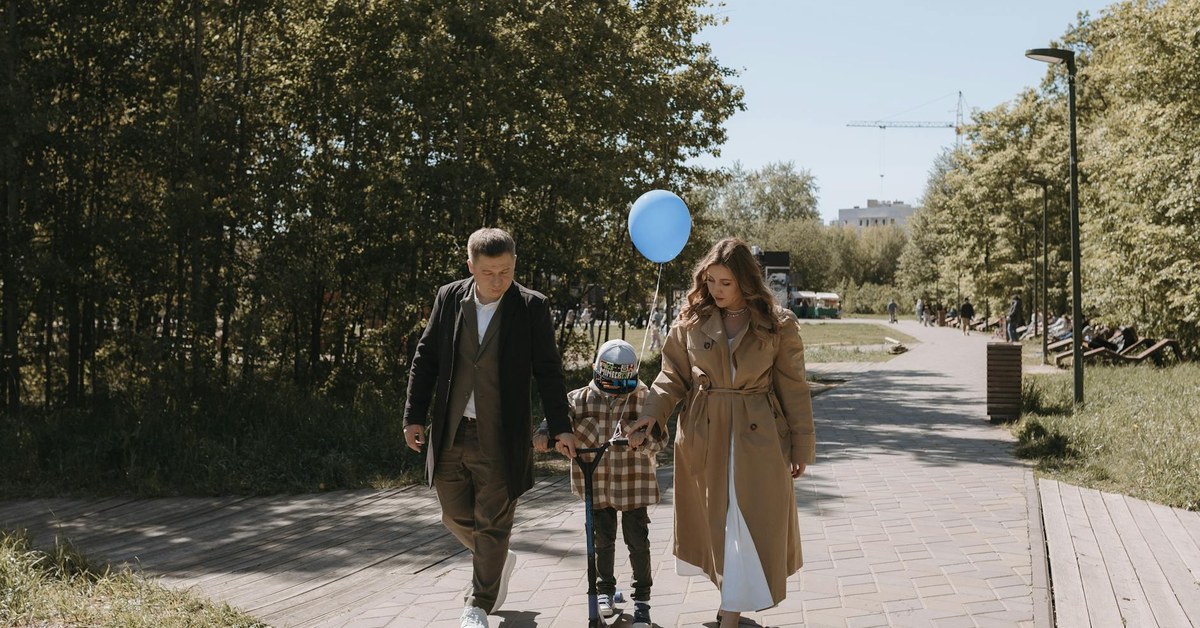
Flat, smooth paths in parks are excellent riding environments for young children. They offer more space than pavements and are generally free from vehicle traffic. Car parks should be avoided, as even quiet car parks contain moving vehicles with limited visibility of small children at low heights.
Cycle Paths
Dedicated cycle paths can be appropriate for scooter use, though parents should be aware that in many countries, scooters are not legally classified as cycles and may not be permitted on cycle infrastructure. Where they are permitted, young children should remain to one side and be aware of faster-moving cyclists.
Roads
Children aged four to seven should not ride scooters on roads. Even quiet residential roads present serious risks, as drivers may not see a child at low height, and young children lack the road awareness to anticipate vehicle movements safely.
Scooter Etiquette
Teaching children good riding etiquette benefits everyone who uses shared public spaces, and also helps children develop spatial awareness and consideration for others.
- Give way to pedestrians: Pedestrians have right of way on pavements and footpaths. Children should slow down and move aside when passing people on foot, particularly elderly people or those with mobility aids.
- No riding in crowded areas: Markets, shopping areas, busy station forecourts, and similar spaces are not appropriate places for scooter riding. Children should dismount and carry or push the scooter in these environments.
- Announce when passing: Older children can be taught to say excuse me or slow right down when passing pedestrians from behind.
- Do not ride in shops or covered spaces: Riding inside buildings or covered shopping centres is unsafe and disrespectful to others.
Age-Appropriate Scooter Types
The type of scooter should match the child's age, height, and skill level.
Three-Wheel Scooters for Beginners
Three-wheel scooters, which typically feature two wheels at the front and one at the rear, are ideal for younger or less confident children. They are self-stabilising at low speeds, meaning children can focus on balance and steering without the additional challenge of keeping the scooter upright. Most children aged two to five begin with a three-wheel scooter. Some models allow steering by leaning rather than using handlebars, which helps to develop balance in a natural way.
Two-Wheel Scooters for Confident Riders
Two-wheel scooters are appropriate once a child has developed sufficient balance and coordination, typically from around five years old. They allow more manoeuvrability and speed than three-wheel models. Parents should ensure the handlebars are at the correct height: when the child stands on the deck, the handlebars should be at approximately waist height. Too low forces the child to hunch, while too high makes steering less controlled.
Storing and Maintaining a Scooter
A well-maintained scooter is a safer scooter. Young children may not notice developing faults, so parents should conduct periodic checks.
- Check that the handlebar stem is secure and does not wobble. Tighten the clamp according to the manufacturer's instructions if needed.
- Inspect the wheels for cracks, excessive wear, or loose bearings. A wheel that does not spin freely or that wobbles should be replaced before the scooter is used again.
- Check the deck surface for cracks or damage. Deck failures during riding can cause sudden falls.
- Test the rear brake (usually a foot-operated mudguard brake) to ensure it provides adequate stopping power.
- Store the scooter in a dry place, away from the elements. Prolonged exposure to rain can lead to rust on metal components and deterioration of wheels.
What to Do If a Child Falls and Is Injured
Falls are an inevitable part of learning to ride a scooter, and most result in nothing more than minor grazes. However, parents should know how to respond appropriately when a fall is more serious.
Minor Injuries
For grazes and minor cuts, clean the wound gently with water, apply an antiseptic if available, and cover with an appropriate dressing. Reassure the child calmly, acknowledge their discomfort, and encourage them when they feel ready to ride again.
Head Injuries
Any fall involving a significant impact to the head should be taken seriously. Seek medical attention if the child loses consciousness (even briefly), appears confused or disoriented, vomits after the fall, complains of a persistent headache, or shows unequal pupil sizes. Do not allow a child to continue riding after a significant head impact.
Suspected Fractures
If a child is unable to move a limb normally after a fall, is in significant pain, or if there is visible deformity, seek emergency medical attention. Do not attempt to straighten a suspected fracture. Keep the child still and calm while waiting for assistance.
Conclusion
Riding a scooter is a genuinely enjoyable activity that supports physical development, outdoor play, and growing independence in young children. With appropriate protective equipment, a safe riding environment, and clear guidance about etiquette and road awareness, the risks can be managed effectively. Parents who invest a small amount of time in checking equipment, choosing riding locations carefully, and modelling responsible behaviour will find that scooter riding becomes a safe and rewarding part of their child's outdoor life.