Safe Cycling for Children: A Complete Guide for Parents
Teaching a child to cycle safely is one of the best things a parent can do for their health, independence, and enjoyment. Getting the safety fundamentals right from the start makes all the difference.

Safe Cycling for Children: A Complete Guide for Parents
“Teaching a child to cycle safely is one of the best things a parent can do for their health, independence, and enjoyment. Getting the safety fundamentals right from the start makes all the difference.”
The Benefits Are Worth the Effort
Cycling is one of the most genuinely beneficial activities a child can learn. It provides aerobic exercise, supports mental wellbeing, builds confidence and independence, and is a skill used throughout life. The UK's childhood obesity rates and mental health challenges both have partly in cycling's decline as part of everyday childhood a contributing factor worth addressing.
Learning to cycle safely requires good initial instruction, appropriate protective equipment, and gradual exposure to the riding environments appropriate for the child's age and ability. This guide covers each of these areas.
Learning to Ride: The Balance Bike Foundation
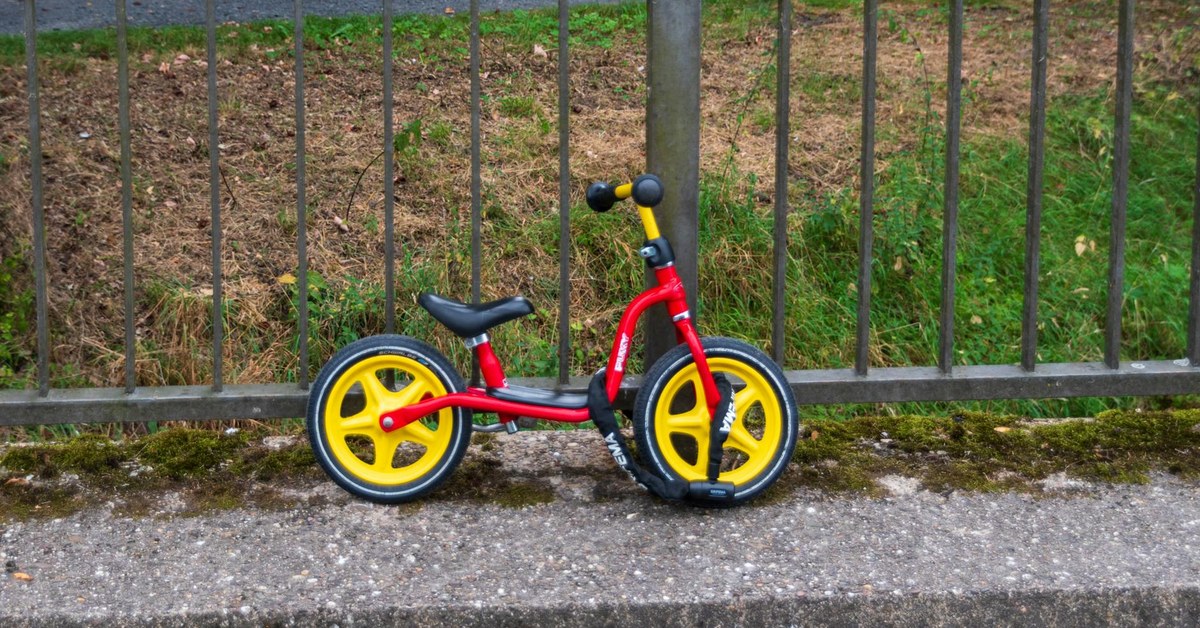
Balance bikes, bikes without pedals that children propel with their feet, have transformed the experience of learning to ride. Children who start on a balance bike typically learn to ride a pedal bike months or years earlier than those who start with stabilisers, and with significantly less difficulty. Stabilisers teach children to balance by preventing falling, which means the most important skill (dynamic balance and steering) is never developed and must be learned later, when the bike is larger and heavier.
A balance bike appropriate to a child's height (feet flat on the floor) can be introduced as young as two years old. By the time the child is scooting confidently and lifting their feet to glide, adding pedals (and removing them when riding without) or transitioning to a pedal bike is straightforward. The first pedal bike ride is often unceremonious rather than dramatic.
Helmets: Non-Negotiable Protection
Cycling helmets are not legally required in the UK, but the evidence on their effectiveness in reducing head injury is clear and the case for always wearing one is strong. A child who learns from the beginning that a helmet goes on before the bike goes anywhere will wear one automatically throughout childhood and into adulthood, without it ever being a battle.
A correctly fitting helmet is critical. It should sit level on the head, two fingers above the eyebrow. The side straps should form a V below each ear. The chin strap should be snug, allowing only one to two fingers underneath. Check fit regularly as children grow. Replace any helmet that has been involved in an impact, even if there is no visible damage, as the protective foam may be compressed in ways that are not visible externally.
Additional protective gear, including knee pads, elbow pads, and gloves, is particularly valuable when children are learning and falling more frequently. As confidence and skill develop, decisions about additional protective gear become more individual, but helmets should remain constant regardless of where the riding is happening.
Where Children Should Cycle
Young children should cycle off-road or on pavements only, as their hazard perception and road awareness skills are not developed enough for even quiet roads. Parks, cycle paths, and traffic-free areas provide excellent riding environments for children under about seven or eight.
As children approach the age of eight to ten, gradual introduction to cycling on quiet roads, with adult accompaniment and specific instruction, begins to develop the road sense they will need for independent cycling. This should happen well before a child is expected to manage roads alone.
Bikeability is the national cycle training standard in the UK, designed to teach children to cycle safely in real road conditions. Level 1 covers basic control off-road, Level 2 covers roads with light traffic, and Level 3 covers more complex road situations. Most primary schools offer Bikeability, typically in years 5 and 6. If your school does not, you can access training directly through cycling instruction providers. Bikeability training is the most structured way for children to develop road cycling skills and is strongly recommended before children cycle on roads independently.
Road Cycling: The Key Safety Rules
When cycling on roads, children need to understand and consistently apply a set of clear rules. Always ride on the left. Signal clearly with your arm before turning. Look over your shoulder before moving out or turning. Stop at junctions and look both ways. Never cycle on the pavement once old enough to manage quiet roads. Use lights when cycling in low light conditions.
Positioning on the road matters significantly for visibility and safety. Cycling too close to the gutter or to parked cars places children in the door zone, where an opening car door can cause a collision with almost no warning. Teach children to ride far enough out from parked cars to avoid the door zone.
Maintaining the Bike
A safe bike is a well-maintained one. Before any ride, check that the brakes work effectively by squeezing them firmly and pressing the bike forward. Check that the tyres are inflated and free from obvious damage. Make sure handlebars and saddle are secure. For children who ride frequently, a monthly check of these basics and a regular professional service maintains safety standards over time.