Safe Gardening for Older Adults
Gardening is one of the most popular and beneficial activities for older adults, but it also carries real injury risks. From back strain and falls to tool safety and sun exposure, this guide covers how to enjoy your garden safely for as long as possible.
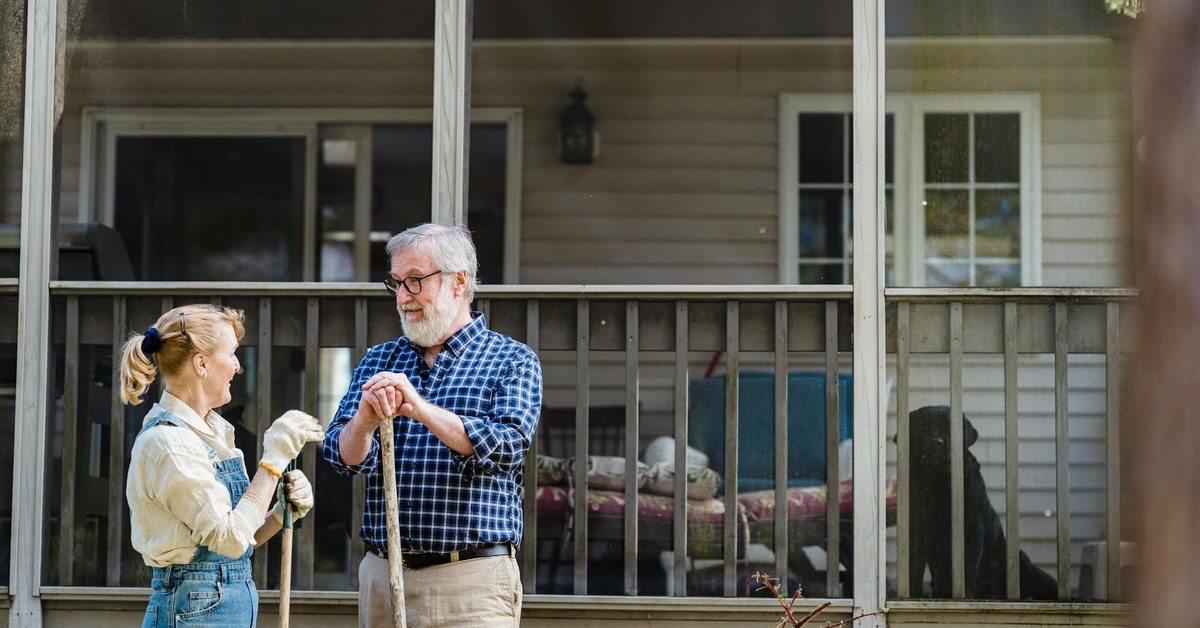

Safe Gardening for Older Adults
“Gardening is one of the most popular and beneficial activities for older adults, but it also carries real injury risks. From back strain and falls to tool safety and sun exposure, this guide covers how to enjoy your garden safely for as long as possible.”
The Benefits of Gardening and Its Risks
Gardening is one of the most consistently recommended activities for older adults. Research across multiple countries links regular gardening with improved physical health, reduced risk of depression and dementia, better sleep, stronger social connections for those who garden in shared spaces, and a meaningful sense of purpose and connection to the natural world. For many older adults, the garden is a treasured part of their home and their identity, as well as a source of genuine pleasure throughout the year.
At the same time, gardening is physically demanding work that carries real injury risks, particularly for older adults with reduced flexibility, joint pain, reduced strength, or balance difficulties. Back injuries from heavy lifting and sustained bending are among the most common causes of disability in older adults who garden. Falls from ladders, steps, and uneven ground are frequent. Cuts and injuries from garden tools are underestimated risks. And sun exposure and dehydration during warm-weather gardening create significant health hazards.
None of these risks should discourage older adults from gardening. They are all manageable with appropriate adaptations, awareness, and occasionally some equipment. The goal is to continue enjoying the garden safely for as long as possible.
Protecting Your Back and Joints
Back pain and joint injuries are the most common gardening-related health issues for older adults. Many follow from the same patterns: sustained bending over low beds, reaching over walls or fences, heavy lifting, and repetitive motions such as digging, raking, or pruning performed for too long without breaks.
The most effective general principle is to avoid sustained loading of the spine in a flexed (bent forward) position. When working at ground level, kneel on a cushioned kneeling pad rather than bending from standing. Kneeling pads with handles that can be used to push yourself back to standing significantly reduce the effort of getting up from ground level, which is itself a common source of falls and back strain.
For raised bed gardening, raised beds at a height of 60 to 90 centimetres allow most gardening tasks to be performed while standing or sitting without any bending. Raised beds are one of the most effective adaptations for older gardeners with back problems, knee or hip pain, or reduced mobility. They can be built at home or purchased as kits.
When lifting, use the correct technique: feet apart, bend at the knees rather than the waist, keep the load close to the body, and lift with the legs rather than the back. Avoid lifting and twisting simultaneously, as this is a common source of spinal injury. Use a wheelbarrow, garden cart, or trolley to move heavy items such as compost bags, plant pots, and harvested produce rather than carrying them.
Take regular breaks and vary your tasks. Performing the same physical action repeatedly for a prolonged period leads to muscle fatigue and increases injury risk. Plan gardening sessions with variety: prune for twenty minutes, then water, then do lighter tasks. Take sitting breaks at intervals, particularly for older adults with arthritis or back pain who are attempting more sustained sessions.
Fall Prevention in the Garden
The garden presents a variety of fall hazards including uneven ground, wet and slippery surfaces, steps, and slopes. Falls in the garden account for a significant proportion of fall-related injuries in older adults.
Keep pathways clear of clutter, overgrown plants, trailing hoses, and tools left lying on the ground. Garden hoses left across paths are a particularly common trip hazard. Use a hose reel or store hoses when not in use. Ensure garden paths are in good repair, without lifted edges, crumbling surfaces, or areas where tree roots have raised the ground surface.
Moss and algae on garden paths and patios create dangerously slippery surfaces, particularly in damp or shaded areas. Treat these surfaces with a moss and algae remover product annually and brush clear regularly. Power washing is an effective method for removing build-up from hard surfaces.
If you need to access height for tree or hedge pruning, use the right equipment safely. A stable ladder with a helper present is safer than an extended reach from an unstable position. Long-handled pruning tools can significantly reduce the need to climb at all. Consider whether professional contractors, rather than self-help, are the appropriate approach for work that requires working at height.
Wear appropriate footwear for gardening. Well-fitting shoes or boots with good grip are essential. Avoid gardening in sandals, flip-flops, or smooth-soled footwear. Garden clogs are popular but offer minimal ankle support and can be slippery on wet surfaces.
Tool Safety
Garden tools cause a surprisingly large number of injuries including cuts, puncture wounds, eye injuries, and foot injuries. Safe tool habits significantly reduce this risk.
Keep bladed tools sharp. Counterintuitively, a blunt blade requires more force to use and is more likely to slip, causing an injury. Secateurs, pruning saws, loppers, and border spades should be kept sharp and should be cleaned and oiled before winter storage.
Be aware of where your hands and feet are relative to cutting tools at all times. Use kneeling pads, gloves, and long-handled tools to maintain a safe distance between sharp blades and your hands. Wear sturdy closed-toe footwear when using spades, forks, and other ground-level tools. Use goggles when using strimmers and powered hedge trimmers, which can project debris at high velocity.
Power garden tools including lawnmowers, hedge trimmers, and strimmers require specific care. Read and follow the manufacturer's safety instructions. Ensure the tool is switched off and the blade has completely stopped before clearing blockages or adjusting the cutting depth. Never override safety guards. Corded electric tools should be used with a residual current device (RCD) adapter to reduce the risk of serious electric shock if the cable is accidentally cut.
Store garden tools safely when not in use. Tools left propped against walls or lying on the ground can fall or be tripped over. A dedicated tool rack or shed with organised storage keeps tools accessible while removing hazards from working areas.
Sun Safety in the Garden
Long hours spent working outdoors in the garden during warm weather create real sun safety risks for older adults, including sunburn, heat exhaustion, and long-term skin cancer risk.
Apply a broad-spectrum sunscreen of SPF 30 or higher to all exposed skin before going outside, and reapply every two hours or after sweating heavily. Wear lightweight, long-sleeved clothing and a wide-brimmed hat during peak sun hours. UV-protective gardening clothing is available from specialist outdoor and garden retailers and provides consistent protection without the need to reapply sunscreen to covered areas.
Plan heavier gardening tasks for the cooler parts of the day: early morning and late afternoon. Avoid the most intense sun between approximately 11am and 3pm, particularly during summer months. Stay in the shade during these hours where possible, or use an umbrella or gazebo over your working area.
Stay well hydrated during all outdoor activity. Keep a water bottle with you in the garden and drink regularly without waiting to feel thirsty. Take regular breaks in the shade, especially during warm weather. Know the early signs of heat exhaustion including heavy sweating, pale skin, weakness, and dizziness, and respond to these by moving to a cool shaded place and hydrating immediately.
Adapting the Garden to Support Longer Enjoyment
A few thoughtful garden adaptations can extend the period during which you can garden safely and independently as mobility and strength change over time.
Raised beds, as mentioned above, reduce bending and allow seated gardening. Vertical growing structures, trellises, and wall planters bring plants to a more comfortable working height for training, pruning, and picking. Lightweight garden tools with ergonomic handles, including cushioned grips, pistol-grip secateurs, and telescopic handles, reduce joint strain and increase control. Drip irrigation or soaker hose systems eliminate the need to carry watering cans repeatedly across the garden.
Consider which garden areas you most enjoy and would most like to maintain, and focus effort and adaptation there. It is entirely acceptable for a garden to evolve over time, with high-maintenance areas converted to low-maintenance planting, paths replacing lawn in areas that are difficult to mow, and harder features replacing beds that have become difficult to manage. A garden that suits its owner at each stage of life is more valuable than one designed for a level of physical capacity that no longer matches reality.