Safe and Healthy Sleep for Children Aged 4-7: Routines
Sleep is foundational to young children's health, safety, and development. Learn how to create safe sleep environments, establish effective bedtime routines, and address common sleep challenges in children aged 4-7.
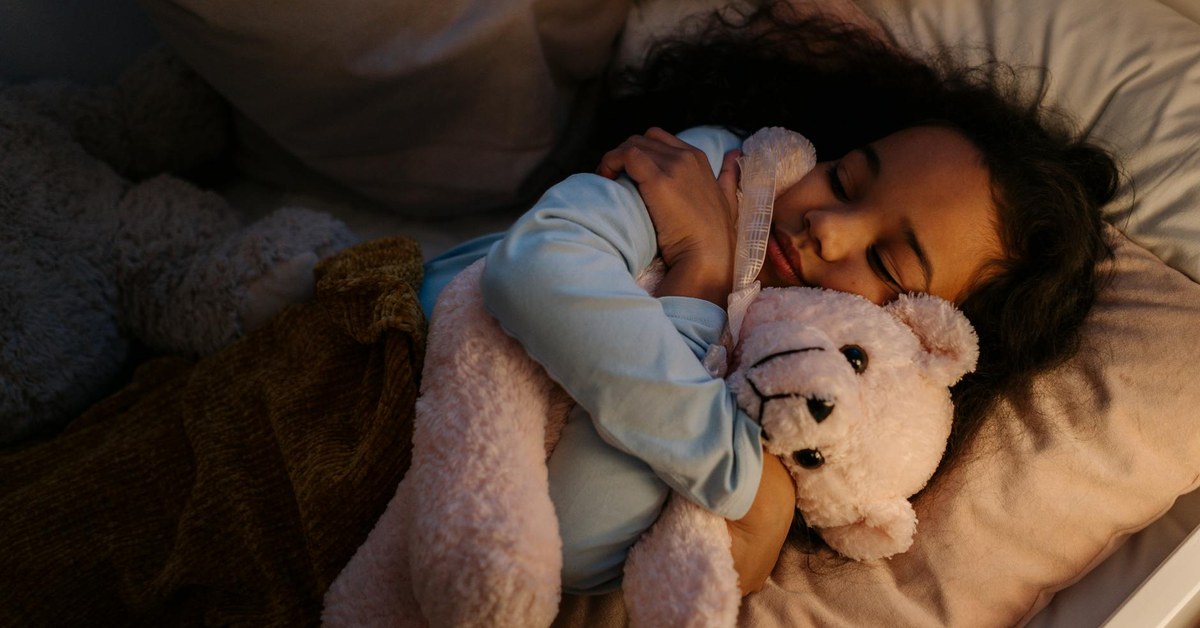

Safe and Healthy Sleep for Children Aged 4-7: Routines
“Sleep is foundational to young children's health, safety, and development. Learn how to create safe sleep environments, establish effective bedtime routines, and address common sleep challenges in children aged 4-7.”
Why Sleep Is a Safety and Health Priority
Sleep is not merely a period of inactivity between waking hours. For young children, sleep is a period of intense biological activity during which the brain consolidates learning and memory, the body releases growth hormone and repairs tissue, the immune system strengthens, and the emotional regulation systems that govern daytime behaviour reset and recover. The quality and quantity of sleep a child gets has measurable effects on virtually every dimension of their health, development, and safety.
From a safety perspective, the effects of insufficient sleep in young children are particularly significant. Sleep-deprived children show reduced attention, slower reaction times, poorer impulse control, and diminished ability to assess risk, all of which increase the likelihood of accidents. Children who are overtired are more prone to falls, more likely to make impulsive decisions near hazards, and less able to follow safety rules reliably. Ensuring adequate sleep is therefore a direct contribution to a child's physical safety, not only to their health and development.
Despite its importance, sleep is consistently undervalued in mainstream parenting discussions, and insufficient sleep is extremely common in this age group globally. Understanding how much sleep children in this age range need, what a healthy sleep environment looks like, how to establish effective bedtime routines, and how to address common sleep problems equips parents and carers to prioritise this foundational aspect of child health.
How Much Sleep Do Children Aged 4-7 Need?
Sleep needs vary between children and decrease gradually as children grow, but research-based guidance from major paediatric and sleep organisations provides a reliable framework. The American Academy of Sleep Medicine, whose guidelines are widely adopted internationally, recommends that children aged 3 to 5 sleep between 10 and 13 hours in a 24-hour period, including any nap. Children aged 6 to 12 are recommended to sleep between 9 and 12 hours per night.
For children aged 4 to 7 this means a target of approximately 10 to 12 hours of sleep per night, with naps typically phasing out naturally during this period for most children. Most four-year-olds still nap at least occasionally, while most seven-year-olds do not, but there is significant individual variation and following the child's natural pattern within the overall sleep duration guidance is appropriate.
Signs that a child is not getting sufficient sleep include difficulty waking in the morning, falling asleep in the car or during quiet daytime activities, notable irritability or emotional dysregulation particularly in the late afternoon and early evening, hyperactivity which is a common but counterintuitive presentation of overtiredness in young children, difficulty concentrating, and frequent illness. If these signs are present consistently, sleep duration and quality are worth examining.
Creating a Safe and Sleep-Promoting Bedroom Environment
The physical environment in which a child sleeps significantly affects both the safety and the quality of their sleep. Several evidence-based environmental factors reliably support better sleep in children in this age group.
Temperature is among the most important environmental factors for sleep quality. A slightly cool bedroom, typically between 16 and 20 degrees Celsius, supports more restful sleep than a warm room. This is because the body's core temperature naturally decreases as sleep onset approaches, and a cool environment facilitates this drop. Avoid fan heaters or electric blankets that maintain high temperatures overnight.
Darkness supports the production of melatonin and the maintenance of healthy sleep-wake rhythms. Blackout blinds or curtains are particularly valuable in summer months when ambient light levels remain high in the evening and early morning. If a child finds complete darkness unsettling, a dim nightlight provides sufficient reassurance without significantly disrupting melatonin production.
Noise levels affect sleep quality and sleep duration. While many children sleep through familiar background noise, unfamiliar or intermittent noise can cause frequent brief awakenings that fragment sleep without producing full waking. Consistent low-level background sound, such as a fan or white noise machine, can mask variable noise and support more consolidated sleep in environments where noise is a challenge.
Ensure the bedroom is free from screens. Televisions, tablets, and smartphones in children's bedrooms are associated with later bedtimes, shorter sleep duration, and poorer sleep quality. The combination of blue light exposure and stimulating content that screens provide is incompatible with good sleep. Remove screens from children's bedrooms entirely and avoid introducing them, regardless of the child's requests or peer pressure from friends who may have devices in their rooms.
Establishing an Effective Bedtime Routine
A consistent bedtime routine is one of the most effective evidence-based interventions for improving children's sleep. Research demonstrates that children with consistent bedtime routines fall asleep more quickly, wake less frequently during the night, sleep longer, and show better daytime mood and behaviour than those without consistent routines. The bedtime routine functions as a series of conditioned cues that signal to the brain that sleep is approaching, facilitating a smoother transition into sleep.
An effective bedtime routine for children aged 4 to 7 typically lasts between 20 and 45 minutes, begins at a consistent time each evening, and follows a predictable sequence of calming activities. Common effective elements include a bath or wash, teeth brushing, changing into pyjamas, reading together or listening to a calm audiobook or story, and a consistent ending sequence such as a specific goodnight phrase and the same configuration of nightlight and bedroom door position.
The content of the routine matters less than its consistency and its calming quality. Avoid vigorous physical activity, exciting games, or screen use in the hour before bedtime. These activities increase arousal and delay sleep onset, working against the settling process that the routine is designed to support.
Maintain consistent bedtimes and wake times even at weekends where possible. Social jetlag, the disruption to circadian rhythm caused by significantly later weekend bedtimes and wake times, undermines sleep quality and can make Monday morning particularly difficult. Small variations of 30 to 60 minutes are manageable; larger variations compound across the week and produce measurable sleep quality effects.
Common Sleep Problems and Evidence-Based Responses
Several specific sleep problems are particularly common in children aged 4 to 7 and warrant specific consideration.
Difficulty settling at bedtime is extremely common and is often maintained by parental responses that provide short-term relief but long-term reinforcement of the settling difficulty. Graduated approaches, in which parents provide progressively less immediate reassurance at bedtime over a period of one to two weeks, are consistently effective in research. These approaches should be implemented calmly and with appropriate sensitivity to the individual child's temperament and circumstances.
Night waking and calling for parents is similarly common. The appropriate response depends partly on the cause. Night waking associated with nightmares or genuine fear warrants warm, brief reassurance and return to sleep without long-term changes to sleeping arrangements unless the nightmares are persistent and distressing. Night waking that is habitual rather than distress-driven responds better to a gradual reduction in parental presence and responsiveness at these times.
Sleepwalking affects a significant minority of children in this age group and is more common between ages 4 and 12 than at any other life stage. Sleepwalking occurs in the first few hours of sleep during the transition from deep non-REM sleep to lighter sleep stages. It is not dangerous in itself and children have no memory of it. The safety concern is the risk of falls or other accidents during the sleepwalking episode. Ensure the sleep environment is safe for a sleepwalking child: stair gates at the top of stairs if stairs are accessible, no significant fall hazards on the route to the bedroom door, and a door alarm or bell if the child regularly leaves the room. Do not attempt to wake a sleepwalking child, as this can cause distress. Guide them gently back to bed if they are in a hazardous location.
Night terrors are distinct from nightmares and sleepwalking. They occur in the first third of the night during deep sleep, involve the child appearing to be awake and extremely distressed but not actually conscious, and are typically not remembered the following morning. Night terrors are alarming for parents to witness but are not harmful to the child. The appropriate response is to ensure the child is physically safe, remain calm, and wait for the episode to pass without attempting to wake the child. Night terrors that are very frequent or very prolonged warrant discussion with a healthcare provider.
Sleep and Mental Health
The relationship between sleep and mental health in young children is bidirectional and significant. Insufficient or poor-quality sleep increases the risk of anxiety, emotional dysregulation, and behavioural difficulties. Conversely, anxiety and emotional difficulties frequently manifest as or exacerbate sleep problems. Understanding this relationship enables parents and carers to approach both sleep and emotional wellbeing together rather than in isolation.
Children who experience significant anxiety often show this most clearly at bedtime, when the distraction of the day's activities is removed and the quiet of the bedroom can amplify worry. The bedtime routine provides a structured opportunity to address these feelings through a brief worry-sharing practice at the end of the routine, a worry doll or box that symbolically holds worries overnight, or simple mindfulness and breathing practices that calm the nervous system and facilitate sleep onset.
If sleep problems are persistent, significantly affecting daytime functioning, or associated with other signs of emotional difficulty, discuss this with your child's healthcare provider or school, who can offer guidance on accessing appropriate support. Many children's sleep difficulties that do not respond to consistent parental management benefit significantly from professional input, and early intervention is consistently more effective than waiting to see if the problem resolves spontaneously.