Empowering Children's Activity Leaders: Spotting Subtle Signs of Child Exploitation & Building Safe Spaces
Youth activity leaders: Learn to spot subtle child exploitation signs & implement safeguarding strategies. Build secure environments for all participants.
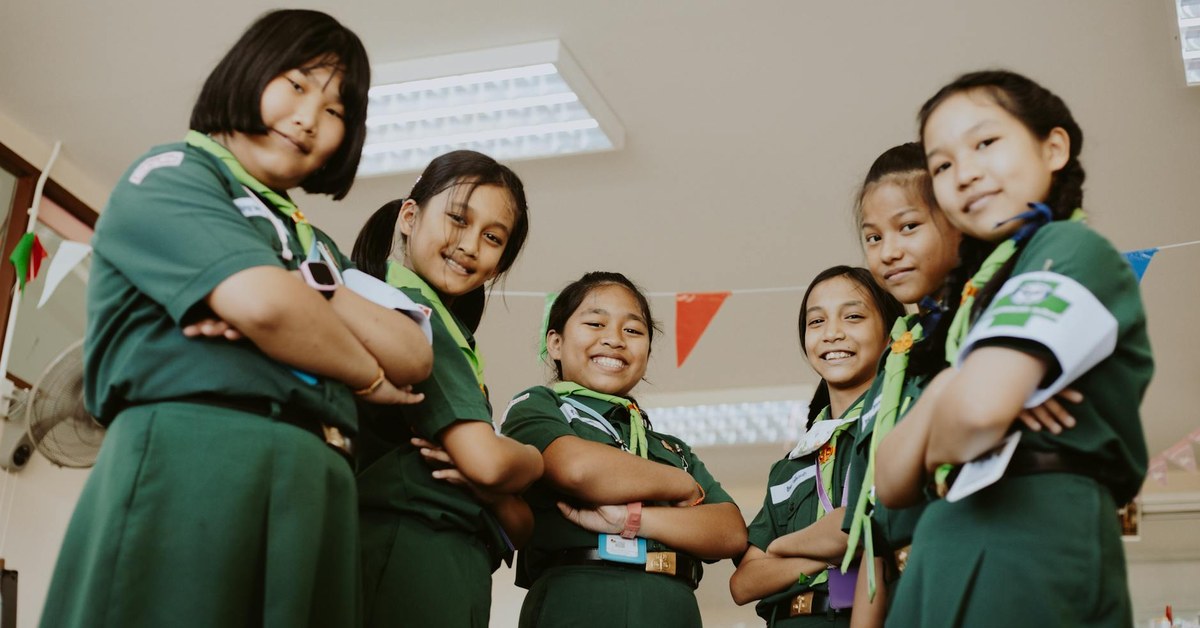

Empowering Children's Activity Leaders: Spotting Subtle Signs of Child Exploitation & Building Safe Spaces
“Youth activity leaders: Learn to spot subtle child exploitation signs & implement safeguarding strategies. Build secure environments for all participants.”
Children’s activity leaders, coaches, and volunteers play an invaluable role in shaping young lives, offering opportunities for growth, learning, and fun. Their unique position, however, also places them at the forefront of safeguarding children in youth activities. Recognising and responding to the often subtle signs of child exploitation is not just a responsibility; it is a critical act of protection that can profoundly impact a child’s safety and wellbeing. This article empowers leaders with the knowledge and tools to identify these nuanced indicators and foster truly secure environments for every child.
Understanding the Landscape of Child Exploitation
Child exploitation encompasses a range of harmful behaviours where an adult or older child uses a child for their own gain, often involving power imbalances and manipulation. It is crucial to understand that exploitation is not always overt or physical; it frequently manifests through psychological manipulation, grooming, and coercion. According to a 2023 UNICEF report, millions of children globally are affected by various forms of exploitation, highlighting the widespread nature of this issue. Leaders must recognise that exploitation can occur anywhere, including within seemingly safe community groups and sports clubs.
The types of exploitation can include: * Sexual exploitation: Involving the sexual abuse of a child. * Criminal exploitation: Forcing children into criminal activity, such as drug trafficking or theft. * Labour exploitation: Using children for forced labour or servitude. * Financial exploitation: Manipulating children to hand over money or access their financial resources.
“Activity leaders are often the first point of contact outside a child’s family, offering a unique vantage point to observe changes in behaviour or wellbeing,” explains a child protection specialist. “Their vigilance is a powerful defence against exploitation.” [INTERNAL: Understanding Different Types of Child Abuse]
The Crucial Role of Activity Leaders in Safeguarding
Activity leaders are not just instructors; they are mentors, confidantes, and often a consistent, trusted adult presence in a child’s life. This makes their role in safeguarding paramount. They build rapport, observe group dynamics, and witness children’s behaviour in various settings. This sustained interaction allows them to notice deviations from a child’s usual conduct or appearance that might signal a deeper issue. Effective youth sports safeguarding and child protection in clubs relies heavily on the awareness and proactive engagement of these frontline individuals.
Proactive safeguarding involves: * Building trust: Creating an environment where children feel comfortable speaking up. * Establishing clear boundaries: Ensuring all interactions are professional and appropriate. * Education: Understanding the signs of abuse and exploitation. * Reporting: Knowing the correct procedures for reporting concerns.
Establishing Safe Environments from the Outset
Creating an environment where children feel secure and valued is foundational to preventing exploitation. This goes beyond physical safety and extends to emotional and psychological security. Organisations like the NSPCC advocate for clear codes of conduct, robust recruitment processes, and ongoing training for all staff and volunteers involved in youth activities.
Key Takeaway: Child exploitation is a diverse and often subtle issue, extending beyond physical harm. Activity leaders are critical in its prevention and detection due to their unique position of trust and regular interaction with children.
Recognising Subtle Signs of Exploitation in Children
Spotting the signs of exploitation requires careful observation and an understanding of typical child development. Children who are being exploited may struggle to articulate what is happening, often due to fear, shame, or manipulation. Instead, their distress might manifest through changes in behaviour, appearance, or communication. These indicators are rarely isolated and often appear in clusters.
Here are some subtle signs leaders should be aware of:
-
Behavioural Changes:
- Withdrawal or sudden quietness: A previously outgoing child becoming unusually withdrawn, isolated, or reluctant to participate.
- Aggression or defiance: Uncharacteristic outbursts, irritability, or challenging behaviour.
- Anxiety or fear: Appearing unusually anxious, jumpy, or fearful, especially around certain individuals or situations.
- Secretive behaviour: Being overly protective of their phone or belongings, making secretive calls, or suddenly having new friends no one knows.
- Loss of interest: A sudden and unexplained disinterest in activities they once loved.
- Running away or truancy: Frequently missing activities or attempting to run away from home.
-
Physical and Appearance Changes:
- Unexplained injuries: Bruises, cuts, or marks that the child struggles to explain, or provides inconsistent accounts for.
- Neglect of personal hygiene: A noticeable decline in personal care.
- Inappropriate clothing or gifts: Wearing new clothes or having expensive items that seem out of character or unexplained.
- Changes in sleep or eating patterns: Appearing constantly tired, having difficulty sleeping, or significant weight changes.
- Sexualised behaviour or language: Displaying behaviour or using language that is inappropriate for their age.
-
Communication and Emotional Indicators:
- Reluctance to go home or be picked up by certain individuals: Showing unease or distress when it’s time to leave or when a specific person arrives.
- Changes in communication: Becoming guarded, evasive, or unusually quiet when asked about their activities outside the club.
- Expressions of self-harm or suicidal thoughts: Any mention of wanting to hurt themselves or end their life.
- Low self-esteem or self-worth: Expressing feelings of worthlessness, shame, or guilt.
- Unusual knowledge: Displaying knowledge of adult topics or situations inappropriate for their age.
It’s vital to remember that these signs do not automatically confirm exploitation but should trigger concern and further observation. The “role of coaches in child safety” extends to being attuned to these shifts.
Creating a Culture of Safety: Proactive Safeguarding Strategies
Effective abuse prevention for volunteers and leaders involves implementing clear policies and fostering an open, protective environment.
1. Robust Policies and Procedures
Every organisation should have a comprehensive safeguarding policy that is regularly reviewed. This includes: * Clear reporting pathways: Everyone must know how to report concerns, both internally and externally to relevant authorities. * Codes of Conduct: For both staff/volunteers and participants, outlining expected behaviour and boundaries. * Recruitment and Vetting: Thorough background checks and interviews for all adults working with children. This is a cornerstone of child protection in clubs. * Whistleblowing Policy: Ensuring staff and volunteers feel safe to raise concerns without fear of reprisal.
2. Ongoing Training and Education
Regular training on safeguarding children in youth activities is non-negotiable. This should cover: * Recognising all forms of abuse and exploitation. * Understanding child development and communication. * Digital safeguarding: Addressing online risks and appropriate use of technology. * First aid and emergency procedures.
3. Open Communication and Child Voice
- Encourage children to speak up: Create opportunities for children to voice concerns, perhaps through suggestion boxes, designated trusted adults, or regular check-ins.
- Age-appropriate education: Teach children about personal safety, boundaries, and who to trust, using language they understand. For younger children (5-8 years), this might involve simple rules about “safe touches” and “trusted adults.” For older children (9-16 years), discussions can include online safety, peer pressure, and recognising grooming behaviours.
- Parental engagement: Keep parents informed about safeguarding policies and provide resources for them.
4. Supervision and Monitoring
- Appropriate adult-to-child ratios: Ensure sufficient supervision at all times.
- Two-adult rule: Where possible, avoid situations where one adult is alone with a child.
- Secure communication platforms: Use designated, monitored platforms for communication with children and parents, avoiding personal social media accounts.
Responding to Concerns: Reporting and Support
If you suspect a child is being exploited, your response is critical. Do not investigate the matter yourself. Your primary responsibility is to ensure the child’s safety and report your concerns to the appropriate authorities.
- Listen and Reassure: If a child confides in you, listen calmly without judgement. Reassure them that they are brave for speaking up and that you will help them. Do not promise confidentiality if it means withholding information from those who can help.
- Record Details: Make a factual record of what you observed or were told as soon as possible. Include dates, times, specific statements, and behaviours. Use the child’s exact words where possible.
- Follow Organisation’s Policy: Report your concerns immediately to your designated safeguarding officer or manager, adhering to your organisation’s established procedures.
- Contact External Authorities: If your organisation’s policy is unclear, or if you believe the child is in immediate danger, contact local child protection services or emergency services directly. Organisations like Childline (UK) or national helplines provide confidential advice and support.
- Support the Child: Continue to offer appropriate support to the child, ensuring they feel safe and heard, while respecting the ongoing investigation process.
What to Do Next
- Review Your Organisation’s Safeguarding Policy: Familiarise yourself with your club’s or group’s current safeguarding policy, paying close attention to reporting procedures and codes of conduct. If one doesn’t exist, advocate for its development.
- Undertake Safeguarding Training: Seek out accredited safeguarding and child protection training specific to your role. Many national sports bodies and charities offer free or low-cost courses.
- Establish Open Communication Channels: Actively work to create an environment where children feel comfortable approaching you with concerns, ensuring you maintain professional boundaries at all times.
- Conduct Regular Risk Assessments: Periodically assess the activities and environments under your supervision for potential safeguarding risks, updating practices as needed.
- Connect with Safeguarding Networks: Engage with other activity leaders and safeguarding professionals to share best practices and stay informed about emerging risks.
Sources and Further Reading
- UNICEF: www.unicef.org/protection
- World Health Organisation (WHO): Child Maltreatment www.who.int/news-room/fact-sheets/detail/child-maltreatment
- NSPCC (National Society for the Prevention of Cruelty to Children): www.nspcc.org.uk/keeping-children-safe/
- Childline: www.childline.org.uk
- International Federation of Red Cross and Red Crescent Societies (IFRC): www.ifrc.org/our-work/protection-gender-and-inclusion