Family Social Media Safety
Children aged 4-7 are increasingly present in family social media content. Learn about the risks of sharenting, children's digital footprint, and how to protect young children's privacy and safety online.
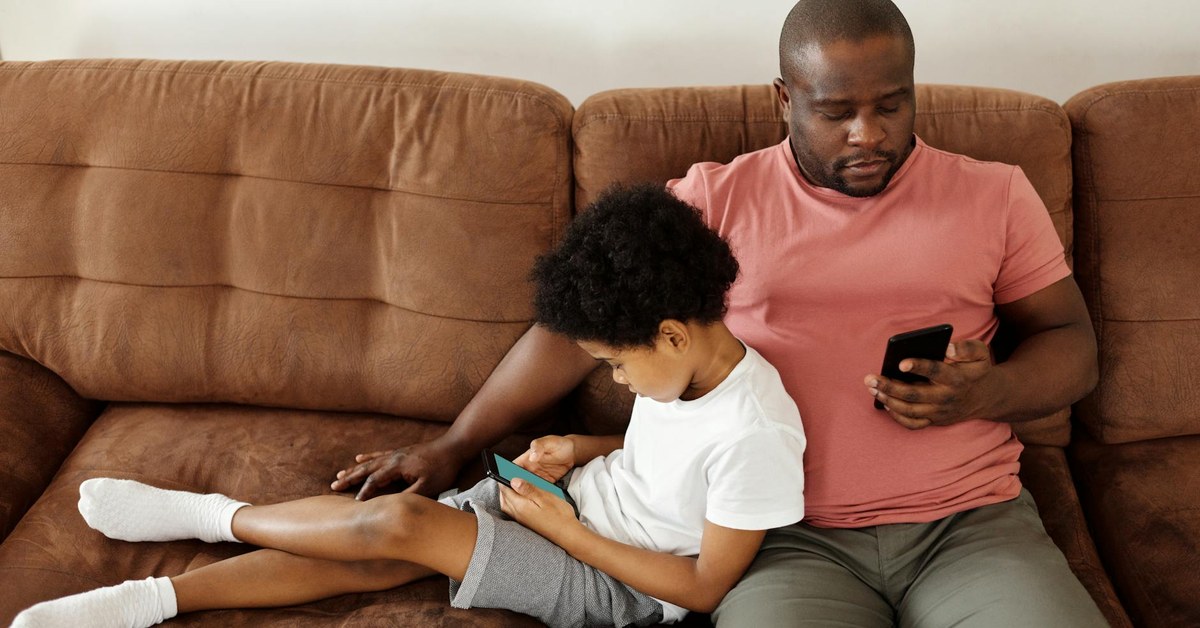

Family Social Media Safety
“Children aged 4-7 are increasingly present in family social media content. Learn about the risks of sharenting, children's digital footprint, and how to protect young children's privacy and safety online.”
Children in the Age of Social Media: A New Safety Frontier
Young children today are growing up with a digital presence that often begins before they are born. Pregnancy announcements, birth photos, first steps, first days at school, and countless everyday moments are routinely shared by parents and family members on social media platforms reaching audiences ranging from a few close friends to thousands of followers. This phenomenon, sometimes described as sharenting, has created a genuinely new set of safety and privacy considerations that previous generations of parents never needed to navigate.
Children aged 4 to 7 are too young to consent to, understand, or manage their own digital presence. The decisions adults make about sharing content featuring these children are made entirely on their behalf, with consequences that the children will live with long after the moment of sharing has passed. Understanding these consequences and making informed, thoughtful decisions about what is shared and with whom is increasingly recognised as an important aspect of child safety and child rights.
This is not an argument that parents should never share content featuring their children on social media. Sharing family moments, keeping distant relatives connected to a growing child's life, and celebrating milestones are positive uses of social media that many families value. The argument is for thoughtful, informed decision-making about what is shared, with whom, and on which platforms, with a clear understanding of the risks and the child's long-term interests.
What Is Sharenting and Why Does It Matter for Child Safety?
Sharenting refers to the practice of parents sharing content about their children on social media platforms. It exists on a spectrum from occasional, privacy-conscious sharing with a small network of family and friends, to high-frequency sharing of detailed content with large public audiences.
The safety concerns associated with sharenting are multiple and range from immediate to long-term. At the immediate end, photos and videos shared publicly may be viewed and used by individuals who intend harm. Images of children, particularly bath photos, swimming photos, and other images in which children have limited clothing, are routinely collected by individuals who exploit children and are shared widely in communities devoted to child exploitation. Parents who share these images with good intentions and no awareness of this risk may be inadvertently providing material to those who would misuse it.
At the identity and privacy level, the information shared in social media posts about children, including their name, location, school, daily routine, appearance, and interests, creates a detailed profile that could be exploited by those who seek to target the child. Detailed location tagging, school name tags, regular time-specific posts, and images that reveal the child's address or local area are all information that reduces a child's safety by making them easier to identify and locate.
At the longer-term level, the content shared about children today creates a digital footprint that may follow them into adulthood. Content shared when a child is four years old could, depending on platform data retention and archiving practices, still be accessible when that child is a teenager or adult. Embarrassing, sensitive, or unflattering content shared by well-meaning parents can affect children's relationships, social standing, and even employment prospects years later, without the child ever having agreed to its creation or publication.
Understanding Platform Privacy Settings
Most social media platforms offer privacy settings that allow users to restrict who can see their content. Understanding and correctly configuring these settings is a baseline measure for anyone who shares content featuring children. However, privacy settings have significant limitations that users often do not appreciate.
Private accounts limit visibility to approved followers, but the content remains on the platform's servers and is subject to the platform's data practices. Platform terms of service typically grant the platform a broad licence to use uploaded content. Content shared with a group of followers can be screenshot, copied, and reshared without the original poster's knowledge or consent. And followers who you trust today may be people whose trustworthiness you later question.
Review the privacy settings on all social media accounts where you share content featuring your children. Restrict audiences to the minimum necessary for your purpose. Remove followers you do not actively know and trust. Disable location tagging in photos. Turn off features that allow your posts to be reshared by others without your explicit permission where this option is available.
Be aware that different platforms have different default settings and different data practices. Some platforms store data indefinitely even after you delete content or close your account. Understanding the specific practices of the platforms you use, which are described in their terms of service and privacy policies, enables you to make more informed decisions about what you share there.
What Not to Share: A Practical Guide
While the decision about what to share is ultimately personal and contextual, certain categories of content carry identifiable risks that most parents would choose to avoid if they understood them clearly.
Images in which children have limited or no clothing, including bath photos, swimming photos, and nappy changing documentation, carry significant misuse risk and should not be shared publicly or even semi-publicly. These images are routinely collected and shared by individuals who exploit children, regardless of the entirely innocent intentions of the original poster.
Information that enables a child to be located including their school name, regular routes, weekly schedule, club names and locations, and home neighbourhood reduces safety by making the child easier to find. Avoid geotagging images taken at the child's school or home, do not mention school names or club names in public posts, and be cautious about sharing images that reveal recognisable local landmarks near where the child spends time regularly.
Content that may embarrass the child when they are older, including images of toilet training incidents, emotional meltdowns, unusual or vulnerable moments, and content that the child would likely object to if they had the capacity to understand it, is worth considering from the perspective of the child's dignity and long-term interests. A useful question before sharing any content featuring a child is: would I want this shared about me without my permission? If the answer is no, reconsider before posting.
Children's Rights to Digital Privacy
An increasing number of child rights organisations, legal scholars, and policymakers argue that children have a right to digital privacy that is separate from and sometimes in conflict with parents' rights to share content about their own lives. This is an evolving area of law and ethics in many countries.
Several countries have begun developing legal frameworks to address children's digital rights. France and Italy have moved towards legislation that gives children rights over content shared about them by parents. The United Nations Convention on the Rights of the Child, ratified by almost all countries, includes provisions on children's right to privacy that are increasingly interpreted as applying to the digital sphere.
While the legal landscape is evolving, the ethical question is clear: children have an interest in their own privacy and in their digital future that is separate from their parents' interests in sharing content. Taking this interest seriously means involving older children in decisions about sharing content about them, being willing to remove content if a child later objects, and applying thoughtful judgement about what future harm or benefit content might create for the child.
Teaching Children About Family Social Media
Children aged 4 to 7 can begin to develop basic understanding of the concept of privacy in the context of family social media use. Simple conversations about what is shared and why, and about asking permission before sharing things about each other, introduce important concepts that will become increasingly relevant as children grow older and develop their own digital presence.
Explain to children in simple terms that when we take photos of them and share them with grandparents or friends online, other people can see them. Ask children periodically whether they are happy for specific photos to be shared. A child who objects should be taken seriously. This practice not only respects the child's emerging autonomy but also models the consent-based approach to sharing that you want them to apply in their own digital lives as they grow older.
Teach children from the earliest age that photos of people should only be shared with their permission. This is a foundational digital literacy concept with direct safety implications. Children who understand that sharing photos of others requires permission are less likely to share images of classmates on social media platforms as they grow older, and less likely to be harmed by others doing the same to them.
Creating Family Social Media Agreements
Many families find it useful to create explicit, agreed guidelines for how family content, including content featuring children, is shared on social media. These guidelines do not need to be elaborate but should address the key decisions: which platforms are used, what categories of content are shared, what audience settings are applied, and what content is not shared under any circumstances.
Include extended family members in these conversations. Grandparents, aunts, uncles, and close family friends who regularly photograph and film children at family events may share content without understanding the family's wishes or the potential risks. A brief, kind conversation about the family's approach to sharing children's content online is far less awkward than having to ask someone to remove content after the fact.
Revisit family agreements as children grow and as platforms and practices evolve. The appropriate approach for a family with a four-year-old will need updating as that child grows towards the age of digital agency. Keeping this conversation alive and evolving is more effective than any single set of fixed rules.