Beyond the Tantrum: Recognizing Subtle Anxiety in Kids Often Mistaken for Defiance or ADHD
Is your child's defiance or inattention actually anxiety? Learn to recognize subtle signs of childhood anxiety often mistaken for ADHD or behavioral issues.
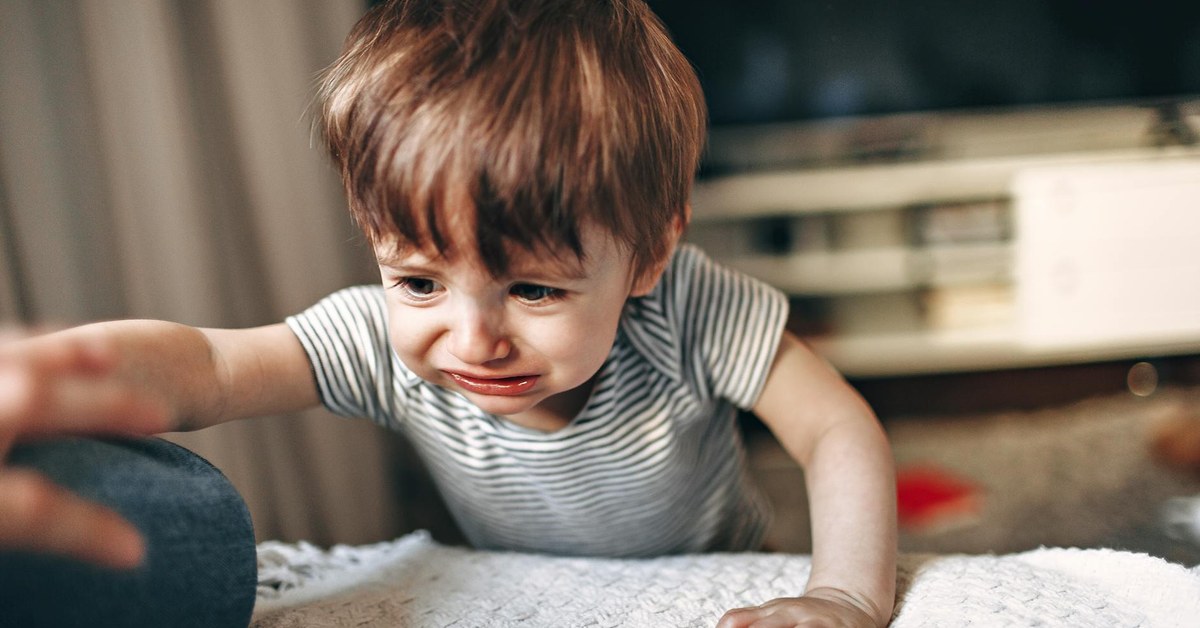

Beyond the Tantrum: Recognizing Subtle Anxiety in Kids Often Mistaken for Defiance or ADHD
“Is your child's defiance or inattention actually anxiety? Learn to recognize subtle signs of childhood anxiety often mistaken for ADHD or behavioral issues.”
Many parents grapple with challenging behaviours in their children, from explosive tantrums to persistent inattention. What often appears as defiance, irritability, or a lack of focus might actually be a subtle anxiety mistaken for defiance ADHD. Childhood anxiety can manifest in unexpected ways, leading to misinterpretations and ineffective support. Understanding these hidden signs is crucial for providing children with the empathy and tools they need to thrive, rather than labelling their struggles as purely behavioural or attentional deficits.
The Overlap: Anxiety, Defiance, and ADHD in Children
It is common for the symptoms of anxiety, defiance, and Attention-Deficit/Hyperactivity Disorder (ADHD) to overlap, making accurate identification challenging. A child struggling with anxiety might appear restless, irritable, or unwilling to follow instructions, leading to a mistaken diagnosis of ADHD or Oppositional Defiant Disorder (ODD).
According to a 2023 report by the World Health Organisation (WHO), approximately 1 in 7 adolescents aged 10-19 years experiences a mental health condition, with anxiety disorders being among the most prevalent. While these statistics often focus on adolescence, anxiety can emerge much earlier, presenting as behavioural issues.
How Symptoms Can Mimic Each Other
- Inattention and Difficulty Focusing: A child with anxiety might struggle to concentrate in school, not because they cannot focus, but because their mind is racing with worries. This can easily be confused with the core symptoms of ADHD.
- Restlessness and Fidgeting: Anxious children might fidget, pace, or struggle to sit still as a way to release nervous energy, appearing hyperactive.
- Defiance and Irritability: When overwhelmed by anxiety, a child might lash out, refuse to cooperate, or become irritable. This is often a ‘fight or flight’ response to perceived threat, not an intentional act of defiance. They might be avoiding a situation that triggers their anxiety, such as a social interaction or a challenging school task.
- Social Withdrawal: While a sign of anxiety, this can sometimes be mistaken for a child being ‘difficult’ or ‘uninterested’ in others, rather than overwhelmed by social fears.
An educational psychologist notes, “Children often lack the vocabulary to express their internal emotional states. Their behaviour becomes their language. A child refusing to go to school might not be defiant, but terrified of something happening there, or of leaving their primary caregiver.”
Key Takeaway: Behaviours like inattention, restlessness, and defiance, which are commonly associated with ADHD or ODD, can often be manifestations of underlying anxiety. It is essential to look beyond the surface behaviour to understand the root cause.
Identifying Hidden Anxiety Signs in Children
Recognising subtle anxiety requires careful observation and a willingness to consider internal struggles rather than just external actions. Here are some less obvious signs that might indicate anxiety:
Physical Manifestations
Anxiety often presents physically, especially in younger children who cannot articulate their worries. * Frequent Stomach Aches or Headaches: Without a clear medical cause, these can be stress responses. * Changes in Sleep Patterns: Difficulty falling asleep, frequent waking, or nightmares. * Increased Clinginess or Separation Anxiety: Especially noticeable after a period of independence, or in situations that previously caused no distress. * Tics or Repetitive Behaviours: Nail-biting, hair-twirling, lip-picking, or specific rituals to feel in control.
Behavioural Cues
These behaviours often get labelled as ‘bad’ or ‘disruptive’. * Excessive Perfectionism or Fear of Failure: A child might avoid tasks or melt down over minor mistakes, driven by an intense fear of not being good enough. * Frequent Reassurance Seeking: Constantly asking “Are you sure?” or “Is this okay?” even for simple things. * Rigidity and Resistance to Change: Needing routines and becoming highly distressed when plans change unexpectedly. This is often a coping mechanism to manage an unpredictable world. * Avoidance Behaviours: Refusing to go to school, participate in social events, or try new activities. This is a primary indicator of anxiety, as the child tries to escape triggers. * Sudden Outbursts or Meltdowns: Especially when faced with transitions, unexpected events, or perceived pressure. These are often anxiety attacks, not just temper tantrums. * Over-Apologising or Excessive Guilt: Feeling responsible for things beyond their control.
Social and Emotional Indicators
- Difficulty Making or Keeping Friends: Due to shyness, fear of judgment, or social awkwardness stemming from anxiety.
- Excessive Worry About Future Events: Constantly thinking about ‘what if’ scenarios, even for distant events.
- Being Overly Sensitive to Criticism: Taking even constructive feedback very personally.
- Difficulty Expressing Feelings: They might internalise their worries, leading to bottled-up emotions that eventually explode.
Age-Specific Manifestations of Anxiety
Anxiety presents differently across various developmental stages. Recognising these age-specific signs can help parents intervene appropriately.
Early Years (Ages 3-6)
- Increased clinginess to parents or caregivers.
- Frequent tantrums or meltdowns, especially around transitions or new situations.
- Regressing in learned behaviours (e.g., bedwetting after being toilet-trained).
- Difficulty sleeping, nightmares.
- Physical complaints like tummy aches or feeling unwell without a clear medical reason.
- Fear of specific objects or situations (e.g., monsters, darkness, loud noises).
Primary School Years (Ages 7-11)
- School refusal or extreme reluctance to attend.
- Excessive worry about school performance, friendships, or safety.
- Perfectionism and difficulty completing tasks due to fear of mistakes.
- Irritability, anger outbursts, or withdrawal when overwhelmed.
- Seeking constant reassurance from adults.
- Difficulty concentrating in class, appearing distracted.
- Developing specific fears or phobias (e.g., social situations, tests, public speaking).
- Fidgeting or restlessness as a way to cope with internal tension.
Adolescence (Ages 12-18)
- Social withdrawal and isolation.
- Increased irritability, mood swings, or defiant behaviour.
- Excessive worry about academic pressure, future plans, or social acceptance.
- Panic attacks or intense physical symptoms of anxiety.
- Avoidance of challenging situations or opportunities.
- Changes in eating or sleeping habits.
- Self-consciousness and fear of judgment from peers.
- Difficulty making decisions or feeling overwhelmed by choices.
A child psychologist highlights, “It is crucial to remember that behaviour is communication. When a child consistently resists, avoids, or struggles, it’s often a signal that something deeper is at play, not just a desire to be difficult.” [INTERNAL: Understanding child behaviour]
Practical Strategies for Supporting Anxious Children
Once you recognise the signs of subtle anxiety, implementing supportive strategies can make a significant difference.
1. Validate Their Feelings
- Acknowledge their distress: Instead of saying “Don’t worry,” try “I can see you’re feeling really worried about this.”
- Normalise anxiety: Explain that everyone feels worried sometimes. “It’s okay to feel nervous before a new experience.”
- Listen actively: Allow them to express their fears without judgment.
2. Teach Coping Skills
- Deep breathing exercises: Simple techniques like “smell the flower, blow out the candle” can help regulate their nervous system.
- Mindfulness activities: Short guided meditations or focusing on sensory details can bring them to the present moment.
- Problem-solving skills: Help them break down overwhelming situations into smaller, manageable steps.
- Use a ‘worry box’ or ‘worry time’: Designate a specific time or place for worries, so they do not consume the entire day.
3. Create a Predictable and Safe Environment
- Establish routines: Predictable schedules can reduce anxiety about the unknown.
- Prepare for transitions: Give advance notice for changes in plans or upcoming events. Use visual schedules for younger children.
- Offer choices where possible: This gives them a sense of control, which can be very calming for an anxious child.
4. Encourage Gradual Exposure
- Support small steps: If a child is anxious about a specific situation, help them approach it in tiny, manageable increments. For example, if they fear social gatherings, start with a short playdate with one trusted friend.
- Praise effort, not just outcome: Celebrate their bravery in trying, even if the outcome isn’t perfect.
5. Seek Professional Guidance
- Consult a GP: Discuss your observations and concerns with your family doctor. They can rule out physical causes and provide initial advice.
- Referral to specialists: A GP might recommend a child psychologist, psychiatrist, or paediatrician for a comprehensive assessment. Organisations like UNICEF and the Red Cross often provide resources for finding mental health support for children globally.
- Consider therapy: Cognitive Behavioural Therapy (CBT) and play therapy are highly effective for childhood anxiety.
A family support worker advises, “Early intervention is key. The sooner a child learns to manage their anxiety, the better equipped they will be for future challenges. Do not hesitate to seek professional help; it is a sign of strength, not weakness.” [INTERNAL: Seeking professional help for child mental health]
What to Do Next
- Observe and Document: Keep a diary of specific behaviours, triggers, and reactions. Note down when the behaviours occur, what happened before, and how your child responded. This information will be invaluable for professionals.
- Communicate with Schools: Share your observations with teachers or school counsellors. Ask about your child’s behaviour in the school environment and explore consistent strategies between home and school.
- Implement Simple Coping Strategies at Home: Introduce deep breathing, mindfulness, or a ‘worry time’ routine. Observe if these tools help your child manage their emotional responses.
- Schedule a GP Appointment: Discuss your concerns with your family doctor to explore potential causes and discuss referral options for a comprehensive assessment by a child mental health specialist.
- Prioritise Self-Care: Supporting an anxious child can be emotionally draining. Ensure you have your own support network and strategies to manage stress.
Sources and Further Reading
- World Health Organisation (WHO): Mental health of adolescents
- UNICEF: The State of the World’s Children 2021 - On My Mind: promoting, protecting and caring for children’s mental health
- National Society for the Prevention of Cruelty to Children (NSPCC): Child mental health
- Mayo Clinic: Childhood anxiety disorder
- Child Mind Institute: Anxiety in Children