Bullying or a Phase? Deciphering Subtle Signs Your Child is Targeted
Struggling to tell if your child's behavior changes are normal or signs of bullying? Learn to identify subtle indicators and distinguish them from typical developmental phases.
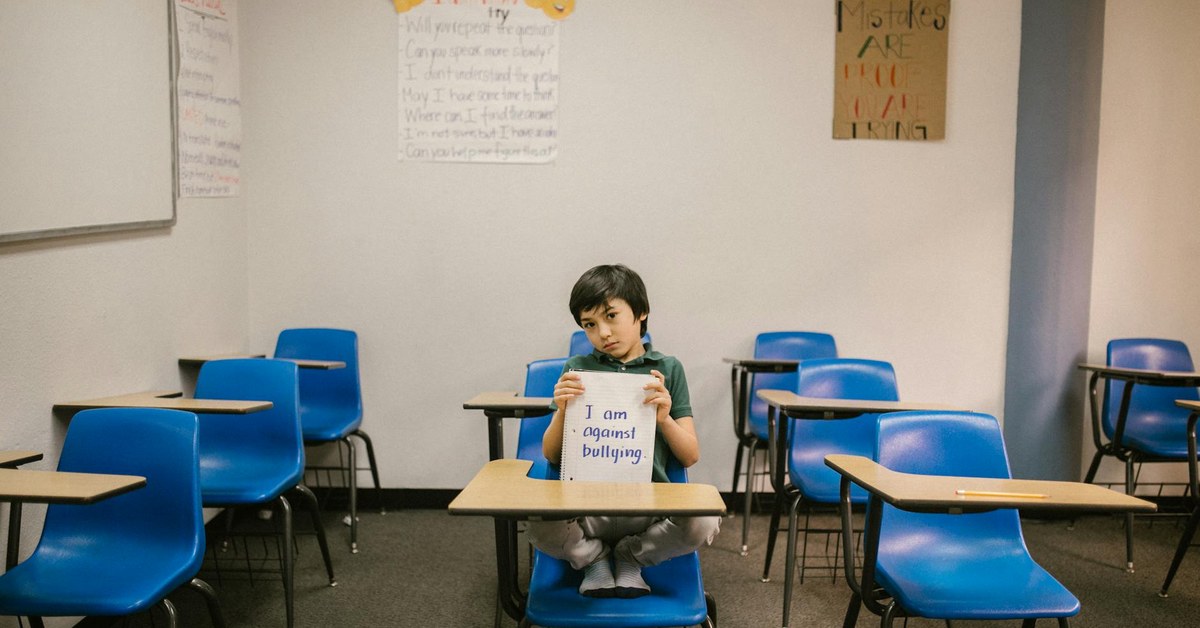

Bullying or a Phase? Deciphering Subtle Signs Your Child is Targeted
“Struggling to tell if your child's behavior changes are normal or signs of bullying? Learn to identify subtle indicators and distinguish them from typical developmental phases.”
As parents, we constantly navigate the ever-changing landscape of childhood and adolescence, often questioning if our children’s shifting behaviours are typical developmental milestones or indicators of deeper distress. Understanding the subtle signs a child is being bullied vs normal behavior can be challenging, as many indicators of bullying can mimic the usual ups and downs of growing up. This article provides a comprehensive guide to help you distinguish between a temporary phase and persistent issues that may signal your child is being targeted.
The Nuance of Child Development vs. Distress
Children and teenagers undergo significant physical, emotional, and social development. Toddlers might experience ‘terrible twos’ or clinginess, pre-teens often exhibit moodiness and a desire for independence, and adolescents can seem withdrawn or irritable. These are all common aspects of development. However, when these behaviours become extreme, persistent, or accompanied by other concerning changes, they warrant closer inspection.
An educational expert notes, “The key lies in observing consistency and context. A child having an occasional bad day is normal, but a child consistently displaying distress, particularly around school or social situations, suggests a problem beyond a typical phase.”
It is vital to recognise that children, especially younger ones, may not have the vocabulary or emotional capacity to articulate what is happening to them. They might fear retaliation, feel ashamed, or believe they are to blame. This makes identifying covert signs of bullying in kids even more crucial for parents.
Next steps: Maintain a detailed mental or written log of any concerning behaviours, noting their frequency, intensity, and any apparent triggers.
Subtle Physical and Health Indicators
Bullying can manifest physically, even without visible injuries. Stress and anxiety often present as somatic complaints, making it challenging to differentiate them from genuine illness.
- Frequent, Unexplained Aches: Headaches, stomach aches, or nausea, particularly on school days or before social events, can be stress-induced. A 2021 study published in the Journal of Paediatric Psychology found that children experiencing bullying reported significantly higher rates of somatic symptoms compared to their non-bullied peers.
- Changes in Sleep Patterns: Difficulty falling asleep, nightmares, or wanting to sleep much more or less than usual.
- Changes in Eating Habits: A sudden loss of appetite, overeating, or secretive eating behaviours.
- Unexplained Injuries or Damaged Possessions: While children can be clumsy, frequent scrapes, bruises, torn clothing, or ‘lost’ items might indicate physical altercations or intimidation. Your child might offer vague or implausible explanations.
- Increased Clinginess or Avoidance: Younger children might become unusually clingy, while older children might avoid specific places, people, or activities.
Next steps: If physical complaints are persistent and without a clear medical explanation, consult your family doctor. Discuss your concerns about potential bullying, as this context can be helpful for diagnosis.
Behavioural Shifts: Beyond Typical Moodiness
One of the most challenging aspects for parents is distinguishing normal adolescent moodiness vs bullying. While hormonal changes and a desire for independence can lead to irritability and withdrawal, bullying often causes more profound and consistent shifts in a child’s overall demeanour.
Changes in Social Behaviour
- Withdrawal from Friends or Activities: A sudden disinterest in going to school, playing with friends they once enjoyed, or participating in beloved hobbies. They might start avoiding social gatherings or making excuses to stay home.
- Reluctance to Attend School or Social Events: Expressing anxiety or dread about school, school trips, or extracurricular activities. This might present as school refusal.
- Increased Secrecy: Becoming unusually secretive about their day, their friends, or what happens at school.
- Loss of Confidence: A noticeable decline in self-esteem, self-deprecating comments, or a general lack of enthusiasm for things they once enjoyed.
Emotional and Psychological Signs
- Increased Anxiety or Fear: Exhibiting signs of anxiety, such as nail-biting, fidgeting, bedwetting (in younger children), panic attacks, or an exaggerated fear of certain situations.
- Sudden Mood Swings or Outbursts: While teenagers are known for moodiness, extreme or unpredictable emotional outbursts, particularly after school or social interactions, can be a red flag.
- Depression or Sadness: Persistent sadness, hopelessness, crying spells, or a general lack of joy.
- Self-Harm or Suicidal Ideation: In severe cases, bullying can lead to thoughts of self-harm or suicide. Any mention of these feelings must be taken seriously and immediate professional help sought. According to a 2023 UNICEF report, children who experience bullying are twice as likely to report feeling lonely or considering self-harm.
Here is a comparison to help differentiate:
| Normal Adolescent Moodiness | Potential Bullying Indicator |
|---|---|
| Occasional irritability, especially when tired or stressed. | Persistent sadness, anxiety, or anger with no clear trigger. |
| Desire for more independence and privacy. | Extreme secrecy about social life, fear of discussing school. |
| Fluctuating interest in hobbies, trying new things. | Complete loss of interest in all previously enjoyed activities. |
| Occasional disagreements with friends, quickly resolved. | Sudden, unexplained loss of friends, social isolation. |
| Complaining about schoolwork or specific teachers. | Intense dread or fear of attending school, frequent ‘illnesses’. |
| Expressing opinions or challenging parental rules. | Becoming withdrawn, quiet, and unusually compliant or fearful. |
Next steps: Create a safe and open environment for your child to talk. Reassure them that you are there to listen without judgment and that any problem can be solved together.
Academic and School-Related Red Flags
School is often where bullying occurs, so changes in academic performance or attitude towards school can be significant parental guide bullying signs.
- Sudden Drop in Grades: A noticeable decline in academic performance, even if your child was previously a good student. This could be due to difficulty concentrating or a lack of motivation.
- Avoidance of School or Specific Areas: Reluctance to go to school, or avoiding specific parts of the school like the playground, canteen, or toilets.
- Difficulty Concentrating: Appearing distracted, forgetful, or struggling to focus on tasks at home.
- Frequent Loss or Damage of Belongings: Repeatedly losing school supplies, lunch money, or personal items, which they may attribute to accidents or forgetfulness.
A safeguarding officer often advises, “Parents should establish clear communication channels with the school early. Teachers and staff are often the first to notice changes in a child’s behaviour or academic engagement within the school environment.” Organisations like the NSPCC highlight that school environments play a critical role in both the prevalence and prevention of bullying, making school-related changes a key indicator.
Next steps: Schedule a meeting with your child’s teacher or school counsellor. Share your observations and ask if they have noticed similar changes in school. Review the school’s anti-bullying policy.
Key Takeaway: Distinguishing between normal developmental phases and signs of bullying requires careful observation of patterns, consistency, and the context of behavioural, physical, and academic changes. Isolated incidents are less concerning than persistent, unexplained shifts in your child’s well-being and engagement.
Digital and Online Bullying: A Modern Challenge
With the pervasive nature of technology, cyberbullying presents a unique set of challenges. Covert signs of bullying in kids online can be particularly difficult to detect.
- Secrecy with Devices: Becoming overly protective of their phone, tablet, or computer; hiding screens when you approach.
- Sudden Changes in Online Friends or Groups: Deleting social media accounts, blocking friends, or showing distress after using devices.
- Emotional Reactions After Screen Time: Appearing anxious, upset, or angry after spending time online or on their phone.
- Changes in Online Habits: Spending significantly more or less time online than usual.
A 2022 UNICEF report indicated that one in three young people in 30 countries reported being a victim of cyberbullying. The anonymity and pervasive nature of online interactions mean bullying can follow a child home, making escape difficult.
Product/tool recommendation: Consider using reputable parental control software that allows you to monitor online activity and set boundaries, always ensuring open communication with your child about its purpose.
Next steps: Talk to your child about online safety and responsible digital citizenship. Encourage them to show you what they do online and report any concerning messages or content.
Age-Specific Guidance for Recognising Bullying
The way bullying manifests and how children react can vary significantly by age.
- Early Years (3-7 years):
- Signs: Regression in behaviour (e.g., bedwetting, thumb-sucking), increased clinginess, difficulty separating from parents, frequent crying, reluctance to go to nursery or pre-school. They may struggle to verbalise what is happening, often saying “I don’t want to go” or “I don’t feel well.”
- Action: Look for changes in play behaviour, observe interactions with peers, and maintain open communication with caregivers.
- Primary School (8-12 years):
- Signs: More defined social withdrawal, school refusal, persistent physical complaints (stomach aches, headaches), lost or damaged belongings, sudden drop in academic interest or performance, increased anxiety or sadness. They might still minimise incidents or avoid discussing them.
- Action: Foster an environment where they feel safe to share, ask open-ended questions about their day, and observe their interactions with friends.
- Adolescence (13-18 years):
- Signs: Intense mood swings, self-isolation from family and friends, academic decline, changes in eating/sleeping patterns, increased irritability or anger, expressions of hopelessness, and in severe cases, self-harm or suicidal ideation. They might be highly secretive and resistant to discussing problems.
- Action: Respect their need for privacy but maintain a strong presence. Focus on listening without judgment. Be aware of their online activity and encourage healthy coping mechanisms.
Next steps: Tailor your approach to communication and intervention based on your child’s developmental stage and emotional maturity. Younger children may need more direct questions, while adolescents may respond better to indirect support and an open-door policy.
What to Do Next
If you suspect your child is being bullied, taking proactive and supportive steps is crucial.
- Observe and Document: Keep a private record of the specific behaviours, dates, times, and any details your child shares. This documentation can be invaluable when speaking with school staff or professionals.
- Open Communication: Create a safe, non-judgmental space for your child to talk. Listen actively without interrupting or trivialising their feelings. Reassure them that it is not their fault and you are there to help.
- Engage the School or Organisation: Once you have gathered information, schedule a meeting with the school (teacher, head of year, or designated safeguarding lead). Share your concerns and documentation. Understand their anti-bullying policies and agree on a clear action plan. If the bullying occurs outside of school (e.g., a sports club), contact the relevant organisation.
- Seek Professional Support: If your child’s distress is significant or prolonged, consider seeking support from a child psychologist or counsellor. They can provide coping strategies for your child and guidance for you as parents.
- Prioritise Safety and Well-being: Ensure your child feels safe, both physically and emotionally. This might involve temporarily adjusting routines, limiting exposure to certain environments, or implementing protective measures while the issue is being addressed.
Sources and Further Reading
- World Health Organisation (WHO): www.who.int
- UNICEF: www.unicef.org
- National Society for the Prevention of Cruelty to Children (NSPCC): www.nspcc.org.uk
- Red Cross: www.redcross.org.uk
- Childline: www.childline.org.uk