Talking to Young Children About Death and Loss
Young children encounter death and loss and need adult support to process these experiences safely. Learn how to have honest, age-appropriate conversations about death with children aged 4-7 and support them through grief.
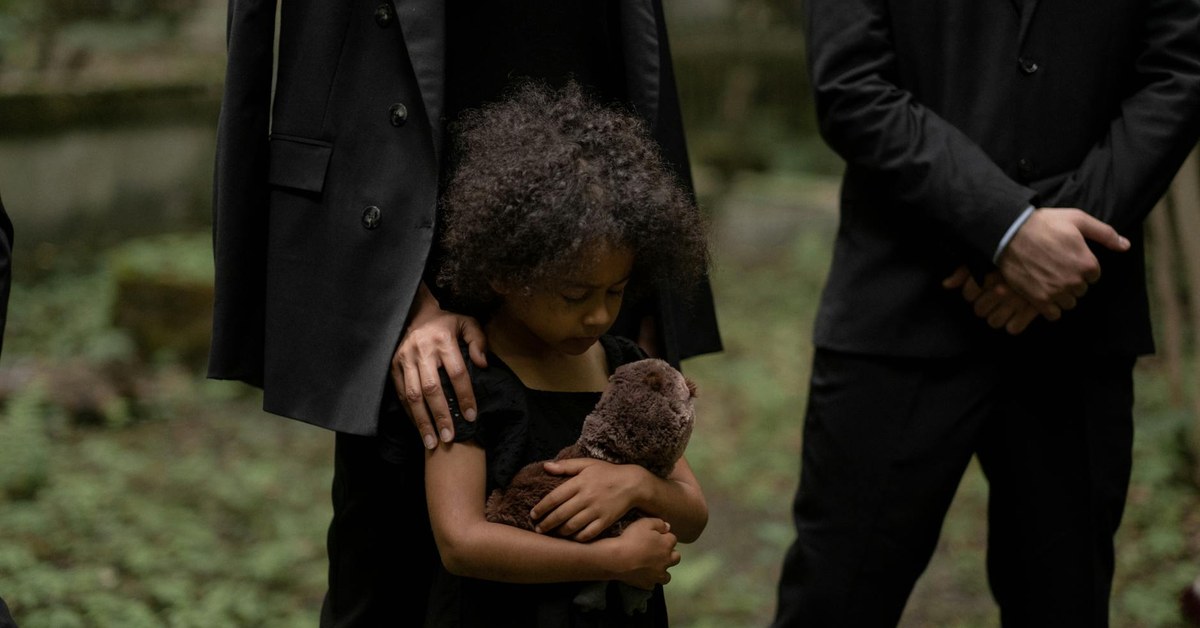

Talking to Young Children About Death and Loss
“Young children encounter death and loss and need adult support to process these experiences safely. Learn how to have honest, age-appropriate conversations about death with children aged 4-7 and support them through grief.”
Why Death Education Is Part of Child Safety and Emotional Wellbeing
Death is a universal human experience, and children encounter it earlier than many adults anticipate or wish. The death of a pet, a grandparent, a family friend, or in the most painful circumstances a parent or sibling, are experiences that many children in the early years encounter. Even children who have not experienced a close bereavement may ask questions about death prompted by a dead bird in the garden, a story they have encountered, or a conversation they have overheard.
How adults respond to children's questions and experiences around death has a significant and lasting impact on children's emotional safety, their capacity to process grief healthily, and their long-term relationship with death as a concept. Adults who respond honestly, calmly, and with age-appropriate language help children develop a realistic understanding of death and the emotional tools to manage grief. Adults who avoid, deflect, or use confusing euphemisms may leave children more confused, more frightened, and less able to seek help when they are struggling.
This is not a comfortable topic for most adults, partly because confronting children's mortality confronts our own, and partly because the desire to protect children from pain is deep and instinctive. But the evidence from child bereavement research consistently shows that children who are given honest, clear information and emotional support through grief fare significantly better than those who are shielded from information and left to fill the gaps with their own, often more frightening, imaginings.
How Children Aged 4-7 Understand Death
Children's understanding of death develops progressively through childhood and differs significantly from adult understanding at each stage. Understanding what is developmentally typical for children in this age group helps adults pitch their explanations appropriately and respond to children's questions with realistic expectations.
Most children aged 4 to 5 have a limited and often magical understanding of death. They may not yet grasp that death is permanent, that all living things die, and that dead things cannot come back to life. They may ask repeatedly where the dead person or animal has gone, expecting a concrete location. They may expect the dead person to return. They may seem to understand and then later ask the same questions again as if for the first time, reflecting the difficulty of truly integrating this concept.
Children aged 5 to 7 are typically beginning to develop a more realistic understanding of death's permanence and universality, though this understanding remains incomplete and is often mixed with magical thinking. They begin to understand that death happens to everyone, including themselves and their parents. This awareness sometimes generates significant anxiety, particularly about the death of parents. They may ask detailed and specific questions about the physical aspects of death and about what happens to the body and the person after death.
Individual variation is significant. A child who has experienced a close bereavement at a young age may have a more developed understanding of death than a peer who has not. Cultural and religious context, the specific explanations children have been given, and individual temperament all influence how a child in this age range understands death.
Using Clear, Honest Language
One of the most important and most frequently mishandled aspects of talking to young children about death is language. Many adults instinctively reach for euphemisms in an attempt to soften the blow: passed away, gone to sleep, no longer with us, lost. While well-intentioned, these phrases can genuinely confuse young children and, in some cases, create fear around the concepts they refer to.
Children who are told that someone has gone to sleep may develop a fear of sleep. Children told that someone has been lost may worry about finding them again or wait for their return. Children told that someone has passed away may not understand that this means death and may continue to expect the person's return. The gap between the adult's intention and the child's understanding can be significant and can leave the child without the clear information they need to process what has happened.
Use the words died and death directly. This is what child bereavement organisations and child psychologists consistently recommend, and the research supports it. Clear language gives children accurate information and gives them the vocabulary to ask further questions and to express their experience to other trusted adults. It does not need to be delivered harshly or abruptly; it can be gentle, warm, and accompanied by physical closeness. Grandma has died means the same thing as grandma has passed away, but it is unambiguous and does not create confusion.
Answering Children's Questions About Death
Children in this age group ask questions about death that adults often find difficult or surprising. Having thought about these questions in advance, and having a clear approach to answering them honestly and age-appropriately, reduces the chance of a stumbling, confusing, or frightening response in the moment.
What happens when you die? is one of the most common questions. An honest, age-appropriate answer focuses on what is known: the body stops working, the heart stops beating, the person stops breathing. For the question of what happens to the person, or where they go, the answer depends on your family's beliefs. Religious families may speak of heaven or another life. Non-religious families may speak of the person living on in memories or in the love they left behind. Be honest about what you believe and what is uncertain, rather than inventing comforting certainties that may later need to be revised.
Will you die? and Will I die? are questions that reflect children's growing awareness of death's universality. An honest answer acknowledges that yes, all living things do die, while providing reassurance about the current situation: most people live for a very long time, and I am healthy and expect to be here for you for many, many years. Avoid giving children the false reassurance that you will never die, as this is not true and may make the eventual reality more shocking.
Why did they die? deserves an honest, age-appropriate explanation of the actual cause of death wherever possible. Very old age, illness, an accident, depending on the situation. Avoid vague explanations that do not satisfy children's genuine desire to understand, and avoid explanations that might cause inappropriate fear, such as telling a child that someone died because they were sick if this might lead the child to fear that every illness is fatal.
Supporting Children Through Bereavement
When a child experiences a significant bereavement, the support they receive in the days, weeks, and months following the death shapes how they process their grief and how they emerge from the experience. Children do not grieve in the sustained, linear way that adults often expect. They may seem fine, then devastated, then fine again within a short space of time. This is not denial or a sign of inadequate attachment; it is the normal grief pattern of young children who lack the capacity for sustained emotional focus and who instinctively move in and out of grief as a self-protective mechanism.
Maintain as much routine as possible following a bereavement. Familiar routines, regular mealtimes, consistent bedtimes, and return to school or nursery when the child is ready all provide the structure and predictability that support children through grief. Routine communicates that the world continues and that life, though changed, is still safe and manageable.
Allow children to participate in mourning rituals in an age-appropriate way. Attending a funeral, visiting a grave, lighting a candle, making a memory box, or any other ritual that acknowledges the death and the relationship gives children concrete, meaningful ways to process their loss. Excluding children from mourning rituals in an attempt to protect them can leave them feeling confused, excluded, and without a tangible way to mark the significance of the loss.
Talk about the person who has died. Use their name. Share memories. Allow and encourage children to do the same. Many grieving children worry that the person will be forgotten, and maintaining the presence of the person in conversation reassures children that the relationship and the love endure even though the person is gone.
When Grief Becomes a Safety and Wellbeing Concern
Most children who receive appropriate emotional support and honest information process grief in ways that, while painful, do not result in significant long-term harm. However, some children experience grief reactions that are sufficiently severe or prolonged to warrant additional support.
Signs that a child may need additional support include persistent and intense separation anxiety following a bereavement, significant and prolonged regression to younger behaviours, nightmares and sleep disturbances that do not resolve over several weeks, physical symptoms including headaches and stomach aches that persist without medical explanation, social withdrawal and loss of interest in activities previously enjoyed, expressed wishes to die or to join the person who has died, and school refusal or significantly deteriorating behaviour at school.
Child bereavement organisations exist in many countries and offer a range of support including resources for parents, school-based support programmes, and therapeutic support for bereaved children. These organisations have developed expertise specifically in supporting children through grief and can be enormously valuable when a family is navigating a significant loss. Your child's school, healthcare provider, or general practitioner can typically provide guidance on accessing these services in your area.