Teaching Young Children How to Call Emergency Services
Knowing how to call for help in an emergency is one of the most important skills a young child can learn. Here is how to teach children aged 4-7 to contact emergency services confidently and correctly.
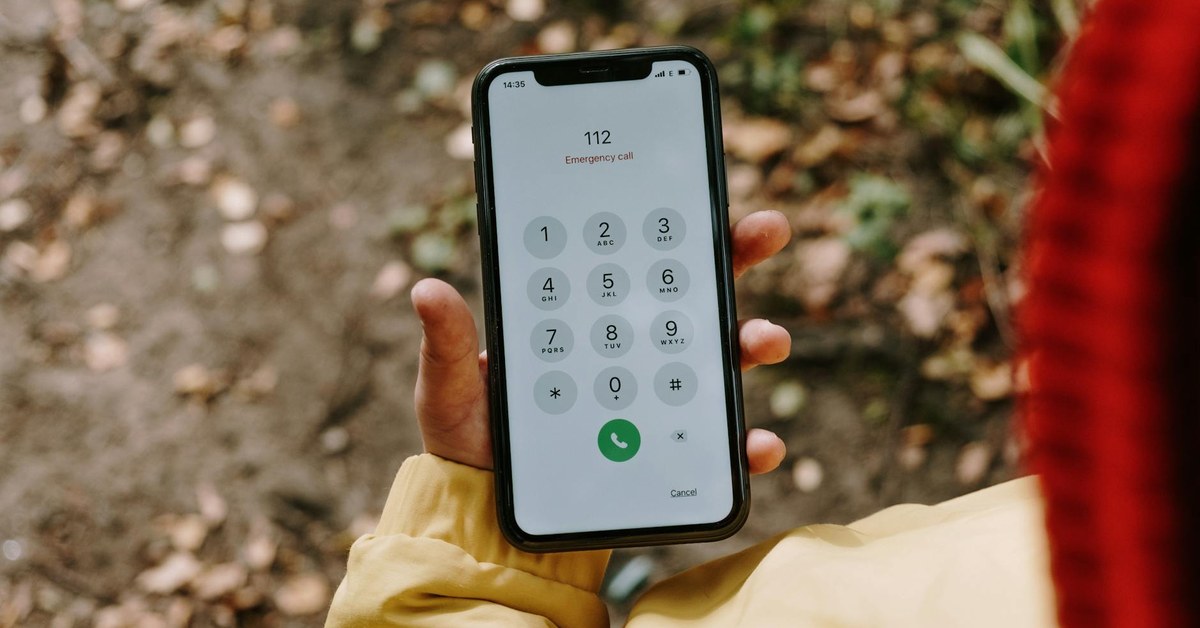

Teaching Young Children How to Call Emergency Services
“Knowing how to call for help in an emergency is one of the most important skills a young child can learn. Here is how to teach children aged 4-7 to contact emergency services confidently and correctly.”
Why Teaching Emergency Calling Is Essential for Young Children
Every year, children around the world make calls to emergency services that save lives. Some of these callers are very young indeed. Children as young as four or five have successfully called for help when an adult in their home has collapsed, when a fire has started, or when someone has been seriously injured. These children were able to help because someone had taken the time to teach them what to do.
Yet many families assume that teaching emergency calling can wait until children are older. This is a missed opportunity. Children aged 4 to 7 are cognitively and linguistically capable of learning the fundamentals of emergency calling, and this knowledge provides a genuine safety net in situations where adult help may not be immediately available.
The goal is not to make children fearful or to place adult responsibilities on young shoulders, but to give them one powerful tool they can use in a genuine emergency. Framed correctly, this teaching is empowering rather than frightening.
Emergency Numbers Around the World
One of the first challenges for families living internationally or with internationally mobile lives is knowing which emergency number applies in which country. There is no single global emergency number, though some countries share the same number through adoption of international standards.
In the UK, the emergency number is 999, covering police, fire, and ambulance services. In the USA and Canada, the number is 911. In Australia, it is 000. Across most of Europe, including Germany, France, Spain, Italy, and many others, the number is 112. In New Zealand, the number is 111. In many countries, the European emergency number 112 works as an alternative even where a different primary number exists.
Teach children the correct number or numbers for where they live and, if your family travels regularly, for the countries you visit most frequently. Keeping a card near the home phone or refrigerator with key emergency numbers visible is a practical backup for both children and anxious adults.
What Children Need to Know Before They Call
Before teaching a child to make an emergency call, ensure they have the basic information they will need to communicate effectively with a dispatcher. Emergency dispatchers are highly trained professionals who will guide callers through the process, but having certain information already to hand makes the call more efficient and can reduce response times significantly.
Children should know their full name. This sounds basic but should be explicitly taught and regularly practised. Many young children know their first name but are uncertain of their surname. Practise introducing themselves by full name regularly.
Children should know their home address, including the house or flat number, the street name, and the town or city. This is arguably the most important piece of information and is often the most challenging for young children to memorise. Use repetition, games, and songs to help children internalise their address. A child who can give their address clearly and accurately gives emergency services a huge advantage in finding them quickly.
Children should be able to describe what is happening in simple, clear terms. Practise phrases such as my daddy has fallen down and is not waking up, or there is a fire in the kitchen. Simple, direct descriptions are far more useful than detailed or confused accounts.
Children should know that they should stay on the line until the dispatcher tells them to hang up, and that they should follow the dispatcher's instructions carefully.
When It Is and Is Not an Emergency
Part of teaching children to call emergency services responsibly is helping them understand what constitutes an emergency. This is a genuinely difficult concept for young children, who may be distressed by situations that are not life-threatening or may not appreciate the seriousness of situations that are.
A useful framework for young children is to explain that emergencies are situations where someone is in immediate danger, someone is badly hurt, or something is on fire or flooding. Reinforce that calling emergency services when there is no real emergency causes problems because it means the line is busy for people who truly need help.
It is also important to address the common concern that children will be in trouble for calling emergency services. Make absolutely clear to any child you are teaching that calling for help in a genuine emergency is always the right thing to do and that they will never be in trouble for doing so. A child who hesitates to call because they are worried about getting in trouble may not call when it matters most.
Step-by-Step: What to Do in an Emergency
Teach children a clear, simple sequence for responding to an emergency. A short, memorable sequence is more useful under stress than a detailed protocol. A workable sequence for children in this age group is as follows.
First, stay safe. Teach children that their own safety comes first. If there is a fire, they should get out of the building before calling for help. If someone dangerous is present, they should move to a safe place if possible. Calling for help is important, but children should not put themselves at additional risk to make a call.
Second, find a phone. Most homes have multiple phones, including mobile phones. Teach children where the home phone is kept and that any adult's mobile phone can be used to call emergency services even if they do not know the passcode, because emergency calls can often be made from lock screens. Practise finding the phone.
Third, call the emergency number. Teach children to dial slowly and carefully and to wait for the call to connect. Reassure them that the person who answers is a helper whose job is to assist them.
Fourth, tell the dispatcher what is happening and where they are. Practise these responses specifically. Children should say their name, their address, and what is wrong. Keep the language simple.
Fifth, listen and follow instructions. The dispatcher will guide the child through what to do next. Teach children to listen carefully and do what they are told, and not to hang up unless the dispatcher says to do so.
Practising Emergency Calling Without Triggering Real Calls
Practising emergency calling requires care because you do not want a child to inadvertently make a real emergency call during a practice session. There are several safe ways to practise.
Use a toy phone or an old disconnected mobile phone for role-play. One adult or parent plays the role of the dispatcher while the child practises making the call. Use realistic but calm scenarios so the child understands what a genuine call might sound like.
Some countries and regions have official resources for teaching children about emergency calling, including videos produced by emergency services themselves. These can be particularly effective because children hear and see real dispatchers explaining the process in a reassuring and authoritative way.
Practise the address and name separately from the phone call itself. Drill these regularly as part of everyday activities. A child who knows their address confidently will recall it under stress far more readily than one who has only rehearsed it a few times.
When using a real phone for practice, be aware that most smartphones allow emergency calls from the lock screen. Explain this feature to children but also make clear that they should only use it in a real emergency.
Teaching Children About Different Emergency Services
Children in this age group can begin to understand that there are different types of emergency helpers and that the same number connects them to all of these helpers. Introduce the three main emergency services in an age-appropriate way.
The police help when someone is being hurt, when there is danger from another person, or when something dangerous or criminal is happening. The fire service helps when there is a fire, when someone is trapped, or when there has been a serious accident. The ambulance service helps when someone is very ill or injured and needs medical help quickly.
When a child calls an emergency number, the dispatcher will ask which service they need. Teach children to say ambulance if someone is hurt or unconscious, fire if there is a fire, and police if there is danger from a person. Reassure children that the dispatcher will help them decide if they are unsure.
Specific Scenarios to Practise
Children learn best when they practise with specific, concrete scenarios rather than abstract instructions. Consider role-playing the following scenarios with your child, always framing them as games or practice rather than in a frightening way.
Scenario one: an adult at home has fainted and is not responding. The child needs to check whether the adult is awake, then call emergency services if they cannot rouse them. Practise saying the address and explaining that a grown-up has fallen and will not wake up.
Scenario two: the child smells smoke or sees flames. They need to get out of the building without stopping to collect belongings, go to a pre-agreed meeting point, and call for help from there. Practise the evacuation route and the call separately.
Scenario three: the child is alone and someone is trying to get into the home. They need to move to a room with a lock if possible, call emergency services, and stay quiet. This scenario should be introduced gently and in a matter-of-fact way to avoid creating unnecessary fear.
Mobile Phones and Young Children
An increasing number of families give young children access to a basic mobile phone for safety purposes. If this is the case in your family, ensure the emergency number is saved under an obvious name in the phone's contacts, that the child knows how to use the phone to make calls, and that the phone is charged regularly.
For children who do not have their own phone, ensure they know where adult phones are kept and that they have permission to use them in an emergency. Many children are taught not to touch adult devices and may hesitate to do so even in a genuine emergency unless they have been explicitly and clearly told that emergency calling is an exception to this rule.
Community Resources and School Support
Many schools and early years settings around the world incorporate basic emergency preparedness into their curriculum, including fire drill procedures and basic awareness of emergency services. Reinforce whatever children learn at school with consistent practice at home. Ask your child's school or nursery what they teach about emergency procedures and align your home teaching with these messages to provide consistent reinforcement.
Some countries also have community programmes that provide young children with basic identity cards or wristbands showing their name, address, and emergency contacts. These are useful backups for situations where a child may become separated from their family. Enquire whether such programmes are available in your area.
Building Confidence Without Creating Anxiety
The goal of teaching emergency calling is to build confident, capable children who know what to do in a real emergency. It should not create anxiety or a heightened fear of danger. Keep your teaching calm and matter-of-fact. Frame practice sessions as learning a useful skill rather than preparing for disaster. Praise children for their knowledge and capability. Revisit the topic periodically as children grow and can absorb more complex information.
Children who know what to do in an emergency feel more secure, not more frightened. Giving a child this knowledge is one of the most genuinely protective things an adult can do. The few minutes spent teaching and practising could one day make an enormous difference.