Teaching Kids De-escalation Skills: Proactive Strategies to Prevent Physical Bullying Safely
Empower children with vital de-escalation techniques to prevent physical bullying. Learn proactive strategies for safe intervention and conflict resolution.
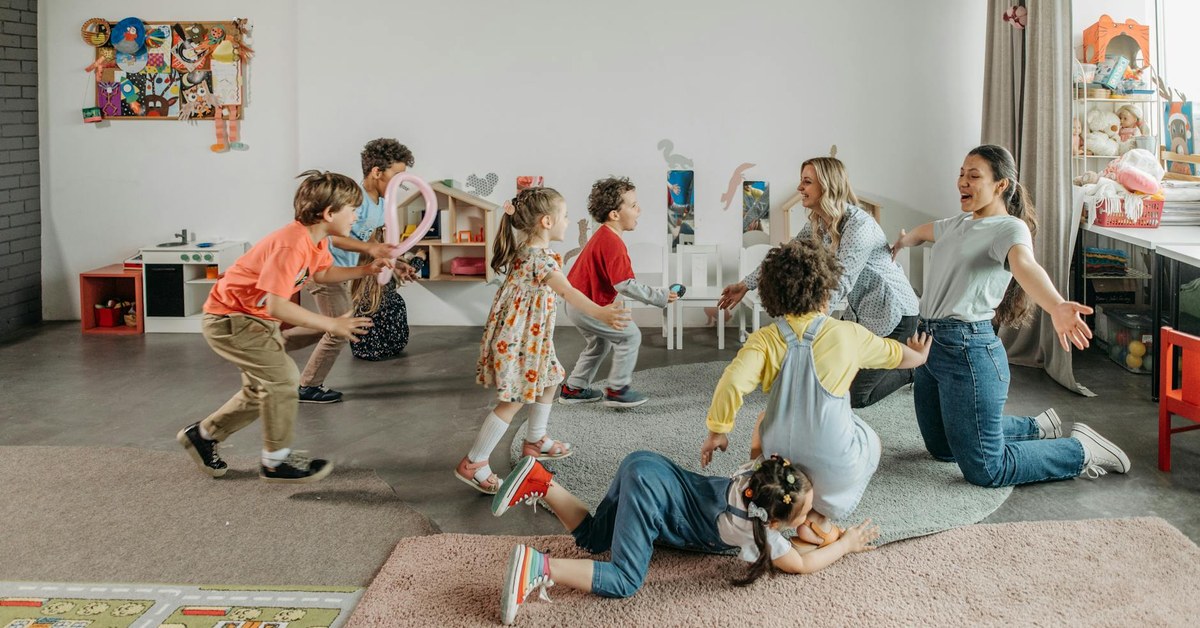

Teaching Kids De-escalation Skills: Proactive Strategies to Prevent Physical Bullying Safely
“Empower children with vital de-escalation techniques to prevent physical bullying. Learn proactive strategies for safe intervention and conflict resolution.”
Empowering children with the ability to navigate difficult social situations is a cornerstone of their development and safety. A crucial aspect of this empowerment is teaching de-escalation skills physical bullying prevention. By equipping children with effective communication techniques and conflict resolution strategies, we can help them manage tense encounters, reduce the likelihood of physical aggression, and foster a safer environment for themselves and their peers. This proactive approach focuses on diffusing conflict before it escalates, providing children with tools to respond calmly and constructively.
Understanding De-escalation in a Child’s World
De-escalation involves using verbal and non-verbal techniques to reduce the intensity of a conflict or potentially aggressive situation. For children, this means learning how to stay calm, communicate their feelings, and find peaceful resolutions when faced with challenging interactions, particularly those that could lead to physical bullying. The goal is not to ignore or avoid problems, but to address them in a way that minimises harm and promotes understanding.
Physical bullying, according to a 2019 UNICEF report, affects approximately one-third of children aged 13-15 globally, highlighting the pervasive nature of this issue. While not all conflicts lead to bullying, many do, and early intervention through de-escalation can be a powerful preventative measure. It shifts the focus from reactive punishment to proactive skill-building, giving children agency in their own safety.
Why De-escalation is Key for Bullying Prevention
De-escalation skills offer several profound benefits in preventing physical bullying:
- Reduces Volatility: Children learn to identify triggers and use calming techniques, preventing situations from spiralling into physical altercations.
- Builds Confidence: Mastering these skills gives children a sense of control and self-efficacy, making them less likely to feel helpless against potential aggressors.
- Promotes Empathy: Learning to understand different perspectives is a core component of de-escalation, fostering empathy and reducing the likelihood of becoming a bully themselves.
- Encourages Safer Outcomes: The primary aim is to avoid physical harm, providing children with alternatives to fighting or freezing.
- Develops Social-Emotional Intelligence: These skills are fundamental to emotional regulation, effective communication, and healthy relationship building.
Key Takeaway: Teaching de-escalation skills is a proactive, empowering strategy that equips children with the confidence and tools to reduce conflict, prevent physical bullying, and foster safer social interactions.
Practical Strategies for Teaching De-escalation Skills
Teaching de-escalation is an ongoing process that requires patience, practice, and consistent reinforcement. Parents, guardians, and educators play a vital role in modelling these behaviours and creating opportunities for children to learn.
1. The “Stop, Breathe, Think, Speak” Method
This simple four-step method provides a clear framework for children to follow when they feel a conflict arising:
- Stop: Encourage children to pause physically and mentally. This breaks the immediate reaction cycle. You can teach them to imagine a stop sign or take a step back.
- Breathe: Guide them to take three deep, slow breaths. This activates the parasympathetic nervous system, helping to calm their body and mind. Practise “smell the flower, blow out the candle” breathing.
- Think: Prompt them to consider what is happening, what they are feeling, and what they want to achieve. Questions like “What’s really going on?” or “What’s a safe way to handle this?” can be helpful.
- Speak (Calmly): Teach them to express themselves using “I” statements, focusing on their feelings rather than blaming others. For example, “I feel frustrated when…” instead of “You always make me angry.”
2. Developing Emotional Literacy
Children need to recognise and name their emotions to manage them effectively.
- Emotion Recognition: Use emotion cards, facial expression charts, or storybooks to help children identify different feelings in themselves and others. Discuss what various emotions look like and feel like.
- Vocabulary Building: Expand their emotional vocabulary beyond “happy,” “sad,” and “angry.” Introduce words like “frustrated,” “confused,” “anxious,” or “disappointed.”
- Journaling/Drawing: For older children, a mood tracking journal can help them recognise patterns in their emotions and identify triggers. Younger children can draw pictures of how they feel.
3. Mastering Non-Violent Communication
Non-violent communication (NVC) focuses on expressing oneself clearly and respectfully, even during conflict.
- Active Listening: Teach children to truly listen when others speak, without interrupting. Encourage them to repeat back what they heard to ensure understanding (“So, you’re saying…”).
- “I” Statements: Reinforce the use of “I feel [emotion] when [situation] because [need]” structure. For example, “I feel scared when you shout because I need to feel safe.”
- Calm Tone and Body Language: Practise maintaining a calm voice, open posture, and avoiding aggressive body language (e.g., pointing fingers, clenched fists). Role-playing scenarios are excellent for this.
4. Role-Playing and Scenario Practice
Role-playing is one of the most effective tools for teaching de-escalation.
- Create Scenarios: Invent common schoolyard or playground situations where conflict might arise (e.g., someone taking a toy, cutting in line, name-calling).
- Practise Responses: Guide children through different de-escalation techniques. Let them try various “lines” and body language.
- Switch Roles: Allow children to play both the aggressor and the de-escalator to build empathy and understand different perspectives.
- Debrief: After each role-play, discuss what worked well, what could be improved, and how everyone felt during the interaction.
5. Seeking Adult Help
While de-escalation skills empower children, it is crucial they understand when to seek adult intervention.
- Recognise Limits: Teach children that if a situation feels unsafe, overwhelming, or if the other person is unwilling to de-escalate, their priority is safety, and they should immediately seek help from a trusted adult (teacher, parent, supervisor).
- Identify Trusted Adults: Help children identify specific adults they can approach at home, school, or in the community.
- Reporting vs. Telling Tales: Explain the difference: reporting is about safety and preventing harm, while telling tales is often about getting someone in trouble unnecessarily. The NSPCC provides excellent resources on this distinction [INTERNAL: understanding bullying and reporting].
Age-Specific Guidance for Teaching De-escalation
The approach to teaching de-escalation skills needs to adapt to a child’s developmental stage.
- Ages 3-6 (Early Childhood):
- Focus on basic emotional identification (happy, sad, angry).
- Teach simple breathing exercises and counting to three.
- Introduce sharing and taking turns.
- Use puppets or stuffed animals to role-play simple conflicts and resolutions.
- Emphasise “use your words” and seeking an adult for help.
- Ages 7-11 (Middle Childhood):
- Expand emotional vocabulary and discuss triggers.
- Introduce “I” statements and active listening.
- Practise the “Stop, Breathe, Think, Speak” method through role-playing.
- Discuss the difference between assertive and aggressive behaviour.
- Encourage problem-solving discussions after conflicts.
- Ages 12-18 (Adolescence):
- Refine advanced communication skills, including negotiation and compromise.
- Discuss the impact of social media and online conflicts [INTERNAL: online safety and cyberbullying].
- Explore bystander intervention strategies (e.g., how to safely get help for a friend).
- Encourage critical thinking about peer pressure and group dynamics.
- Reinforce the importance of self-care and stress management during conflict.
What to Do Next
- Model Calm Behaviour: Children learn by observing. Demonstrate effective de-escalation and conflict resolution in your own interactions.
- Practise Regularly: Integrate de-escalation techniques into everyday conversations and use role-playing games at least once a week to reinforce learning.
- Create a Safe Space for Discussion: Encourage children to talk about their feelings and conflicts without judgment, validating their emotions even if you disagree with their actions.
- Collaborate with Schools: Discuss de-escalation and anti-bullying policies with your child’s school and advocate for consistent messaging and support.
- Review Resources: Explore reputable organisations like UNICEF, the NSPCC, or the Red Cross for additional guides, workshops, and age-appropriate materials on conflict resolution and bullying prevention.
Sources and Further Reading
- UNICEF: End Violence Against Children - https://www.unicef.org/end-violence/
- NSPCC: Bullying and Cyberbullying - https://www.nspcc.org.uk/
- World Health Organisation (WHO): Violence Prevention - https://www.who.int/
- Red Cross: Conflict Resolution Education - https://www.redcross.org.uk/