Teaching Kids Emotional Regulation: Practical Skills for Managing Childhood Stress & Anxiety
Empower your child with vital emotional regulation skills to effectively manage stress and anxiety. Learn practical strategies for building resilience and calm in everyday life.
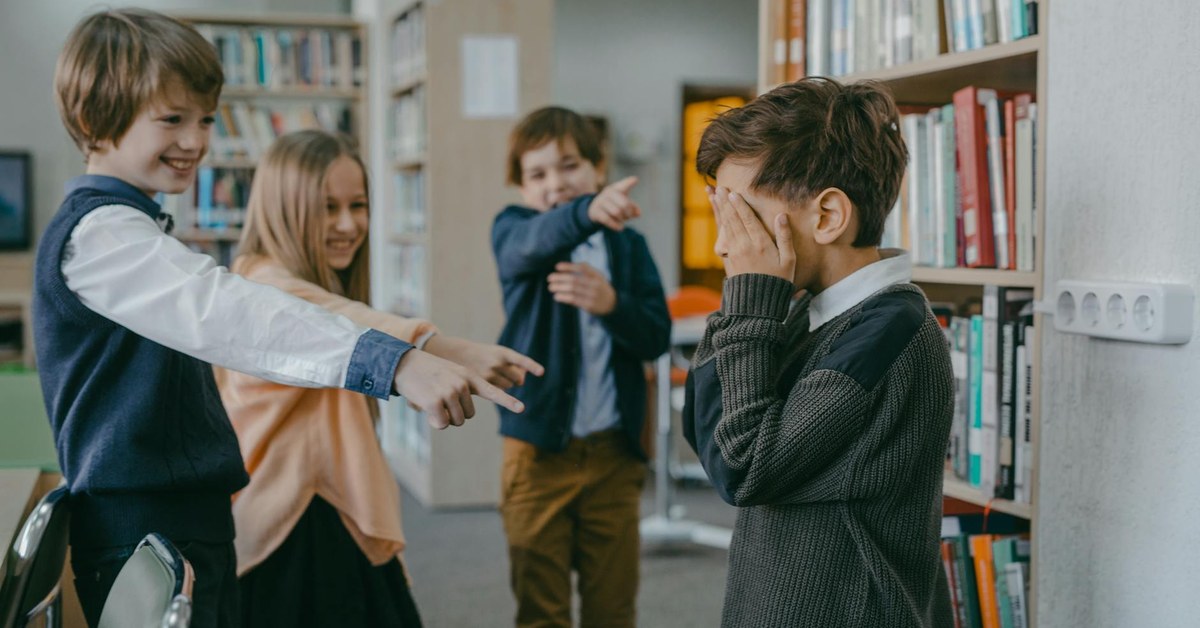

Teaching Kids Emotional Regulation: Practical Skills for Managing Childhood Stress & Anxiety
“Empower your child with vital emotional regulation skills to effectively manage stress and anxiety. Learn practical strategies for building resilience and calm in everyday life.”
Helping children understand and manage their feelings is one of the most crucial skills parents and caregivers can impart. Emotional regulation for kids is the ability to understand and respond to emotions in a healthy, constructive way, rather than being overwhelmed by them. In a world that often feels fast-paced and demanding, equipping children with these vital coping mechanisms helps them navigate challenges, build resilience, and foster overall well-being, effectively managing childhood stress and anxiety.
Understanding Emotional Regulation and Its Importance
Emotional regulation is not about suppressing feelings; it is about acknowledging them and choosing how to react. Children, especially younger ones, often lack the cognitive tools to process complex emotions like frustration, sadness, or fear. This can manifest as temper tantrums, withdrawal, or heightened anxiety. Developing these skills is fundamental for healthy child development.
Globally, childhood mental health is a significant concern. According to a 2021 UNICEF report, an estimated 13% of adolescents aged 10-19 live with a diagnosed mental health condition. While not all of these are severe, many children experience everyday stressors that can escalate without proper coping skills. Teaching coping skills to children early on provides them with a toolkit for life, enhancing their ability to handle academic pressures, social dynamics, and personal challenges.
Why Emotional Regulation Matters for Children’s Development
The benefits of strong emotional regulation extend far beyond simply avoiding meltdowns. Children who can manage their emotions effectively often demonstrate better social skills, academic performance, and overall mental health.
- Improved Social Relationships: Children who understand their own emotions can better empathise with others, leading to stronger friendships and fewer conflicts.
- Enhanced Academic Performance: Reduced anxiety and improved focus allow children to engage more effectively in learning environments.
- Greater Resilience: The ability to bounce back from setbacks is a hallmark of good emotional regulation, building emotional resilience in children.
- Better Physical Health: Chronic stress and anxiety can impact physical health. Learning to manage these emotions can lead to fewer stress-related physical symptoms.
- Reduced Risk of Future Mental Health Issues: Early intervention and skill-building can be protective factors against more severe mental health challenges later in life.
Key Takeaway: Emotional regulation is a foundational life skill that empowers children to understand, process, and respond to their feelings constructively, fostering resilience and positive development across all aspects of their lives.
Recognising Signs of Dysregulation in Children
Before teaching new skills, it is helpful to recognise when a child might be struggling with emotional regulation. Signs can vary significantly by age and individual temperament.
For Younger Children (Ages 3-6): * Frequent, intense temper tantrums that last a long time. * Extreme crying or whining over minor issues. * Difficulty transitioning between activities. * Aggressive behaviour (hitting, biting) when frustrated. * Withdrawing or becoming unusually quiet.
For Primary School Children (Ages 7-12): * Frequent arguments or defiance. * Excessive worry or fear about school, friends, or future events (kids anxiety strategies are crucial here). * Physical complaints (stomach aches, headaches) with no medical cause. * Difficulty concentrating or restlessness. * Social withdrawal or changes in friendship groups. * Increased irritability or mood swings.
For Teenagers (Ages 13+): * Significant changes in sleep patterns or appetite. * Loss of interest in previously enjoyed activities. * Persistent sadness, hopelessness, or irritability. * Social isolation or withdrawal from family and friends. * Sudden outbursts of anger or extreme emotional reactions. * Increased risk-taking behaviour.
If you notice persistent patterns of dysregulation, consider seeking advice from a paediatrician or child mental health professional. [INTERNAL: Finding Professional Support for Child Mental Health]
Practical Strategies for Teaching Emotional Regulation
Empowering children with emotional regulation skills involves consistent effort, patience, and a willingness to model healthy emotional responses. Here are actionable strategies:
1. Build an Emotion Vocabulary
Children cannot express what they do not understand. Help them label their feelings beyond “happy,” “sad,” or “angry.” * Use Emotion Cards or Charts: Visual aids with faces depicting various emotions (e.g., frustrated, surprised, worried, proud). * Talk About Feelings Daily: Ask “How do you feel about that?” or “What emotion is that character showing?” during playtime, reading, or daily events. * Validate Feelings: Acknowledge their emotion without judgment. “I see you’re feeling frustrated because your tower fell down.”
2. Teach Calming Techniques
Once emotions are identified, children need tools to manage their intensity. * Deep Breathing Exercises: Teach simple techniques like “smell the flower, blow out the candle” (inhale slowly through the nose, exhale slowly through the mouth) or “balloon breathing” (imagine your tummy is a balloon inflating and deflating). * Mindfulness Moments: Short periods of focusing on senses. “What five things can you see right now? What four things can you hear?” * Movement Breaks: Physical activity can release pent-up energy and stress. Encourage jumping, stretching, or a quick run around.
3. Develop Problem-Solving Skills
For older children, guiding them through problem-solving steps can help them feel more in control when faced with challenging situations. * Identify the Problem: “What is making you feel this way?” * Brainstorm Solutions: “What are some things we could do?” (Encourage them to come up with ideas first). * Evaluate Options: “What would happen if you tried that? Is it a safe and fair option?” * Choose and Act: “Which solution do you want to try first?” * Review: “Did that work? How do you feel now?”
4. Create a “Calm-Down Corner” or “Regulation Kit”
Designate a special, safe space in your home where your child can go to self-regulate. * Include Comfort Items: Soft blankets, cushions, sensory toys (fidget spinners, stress balls), books, drawing materials. * Visual Guides: A poster with calming strategies (e.g., breathing steps, counting to ten). * Establish Rules: This space is for calming down, not for punishment.
5. Model Healthy Emotional Responses
Children learn by observing. Your own behaviour is a powerful teaching tool. * Express Your Own Feelings: “I’m feeling a bit frustrated right now because this isn’t working, so I’m going to take a deep breath.” * Demonstrate Coping: Show them how you manage your own stress—taking a walk, listening to music, talking about it. * Apologise When Needed: If you react poorly, acknowledge it. “I’m sorry I raised my voice; I was feeling overwhelmed. I should have taken a moment to calm down.”
6. Utilise Storytelling and Play
For younger children, imaginative play and stories are excellent avenues for exploring emotions. * Read Books About Feelings: Many children’s books address emotions and coping. * Role-Play Scenarios: Use puppets or dolls to act out situations where characters experience different emotions and find ways to manage them. * Drawing and Art: Encourage drawing feelings or making art to express what words cannot.
Age-Specific Guidance for Building Emotional Resilience
Toddlers and Preschoolers (Ages 2-5): * Focus on basic emotion identification (happy, sad, angry, scared). * Introduce simple calming actions like deep breaths or hugging a favourite toy. * Use consistent routines to provide a sense of security. * Validate big feelings: “You are very angry that you can’t have another biscuit.”
Primary School Children (Ages 6-12): * Expand emotion vocabulary to include more nuanced feelings (frustrated, anxious, proud, disappointed). * Teach specific coping strategies: “turtle technique” (pulling arms and head into body like a turtle to calm down), counting, positive self-talk. * Encourage problem-solving and discussing social conflicts. * Help them recognise physical signs of emotions (e.g., tight tummy when worried).
Teenagers (Ages 13+): * Foster open communication about complex emotions and stress sources. * Encourage journaling, talking to trusted adults, or engaging in hobbies that promote well-being. * Teach advanced coping skills: mindfulness meditation, progressive muscle relaxation, time management for stress. * Support their independence in choosing healthy coping mechanisms and seeking support when needed.
Organisations like the NSPCC in the UK and Headspace Kids offer resources tailored to different age groups, providing further guidance on child mental health skills and strategies.
What to Do Next
- Start Small and Be Consistent: Choose one or two strategies to introduce and practice regularly. Consistency is key for skill development.
- Observe and Adapt: Pay attention to what works best for your child and adjust your approach accordingly. Every child is unique.
- Prioritise Your Own Well-being: Model self-care and emotional regulation for your child. A calm parent helps create a calm environment.
- Seek Professional Guidance if Needed: If your child’s emotional struggles are persistent, severe, or impacting their daily life, consult a healthcare professional or child psychologist.
- Utilise Available Resources: Explore reputable organisations for further tools and support on [INTERNAL: Child Mental Health Resources].
Sources and Further Reading
- UNICEF. (2021). The State of the World’s Children 2021: On My Mind – promoting, protecting and caring for children’s mental health.
- World Health Organization. (2023). Adolescent mental health.
- NSPCC. (n.d.). Talking to children about feelings.
- Child Mind Institute. (n.d.). How to Help Kids Learn to Self-Regulate.
- The Red Cross. (n.d.). Building resilience in children and young people.