Beyond Locks: Designing a Toddler-Proof Bathroom for Safe Independent Exploration
Transform your bathroom into a secure haven for toddlers. Discover advanced design strategies beyond basic childproofing to foster safe independent exploration.
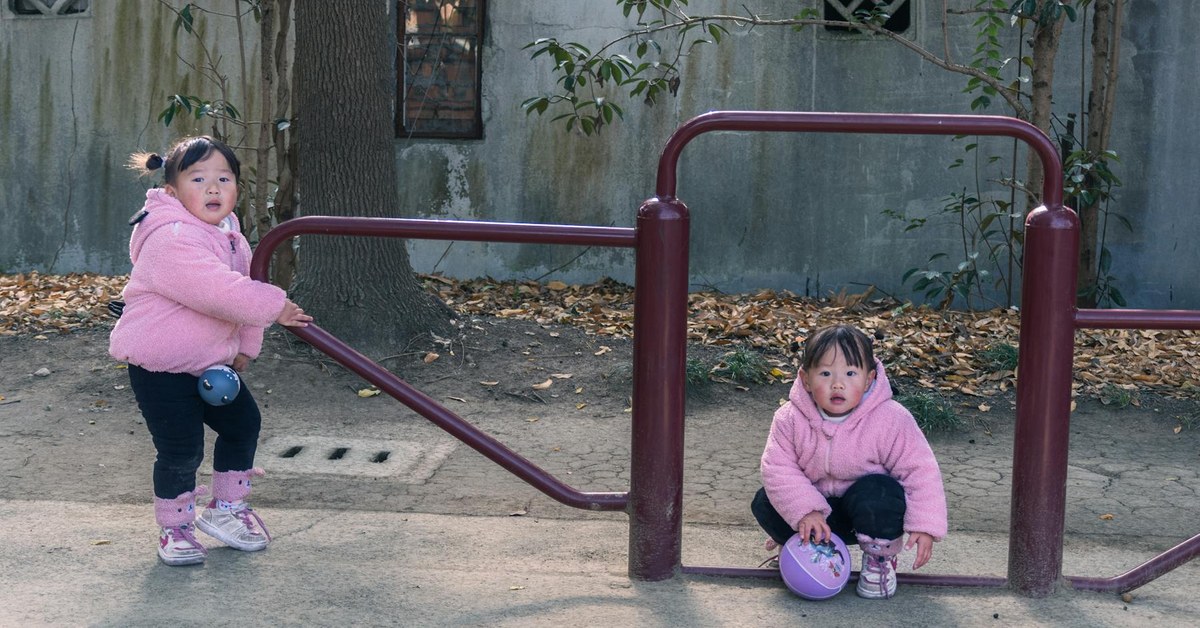

Beyond Locks: Designing a Toddler-Proof Bathroom for Safe Independent Exploration
“Transform your bathroom into a secure haven for toddlers. Discover advanced design strategies beyond basic childproofing to foster safe independent exploration.”
Creating a truly safe home environment for a curious toddler extends far beyond simply adding locks and gates. When it comes to the bathroom, a space inherently full of potential hazards, a thoughtful toddler-proof bathroom design for safe exploration empowers children to develop independence within secure boundaries. This approach transforms a high-risk area into one where a child can learn and grow, reducing accidents and fostering confidence under supervision. It is about anticipating a toddler’s natural inclination to explore and designing the space proactively to mitigate risks, rather than just reacting to them.
Understanding Toddler Behaviour and Bathroom Risks
Toddlers, typically aged between 1 and 3 years, are driven by an insatiable curiosity and a rapidly developing sense of mobility. They can climb, reach, open, and manipulate objects, often without understanding the associated dangers. The bathroom presents unique challenges due to the presence of water, electricity, chemicals, and hard surfaces.
According to the Royal Society for the Prevention of Accidents (RoSPA), drowning remains one of the leading causes of accidental death for children aged 0-4 years, with baths being a common location. Beyond water hazards, burns from hot water, falls on wet floors, poisoning from cleaning products or medicines, and cuts from sharp objects or broken glass are significant risks. A proactive childproofing strategy recognises these behaviours and risks, integrating safety into the very fabric of the bathroom’s design.
Common Bathroom Hazards for Toddlers (Ages 1-3)
- Water Hazards: Unsupervised access to baths, toilets, or even buckets of water can lead to drowning. Hot water can cause severe scalds.
- Chemicals and Medicines: Cleaning products, toiletries, and prescription medications are often stored in accessible cabinets, posing a poisoning risk.
- Electrical Appliances: Hairdryers, straighteners, and electric toothbrushes, if left plugged in or within reach, present electrocution hazards.
- Slips and Falls: Wet, hard floors are extremely dangerous for toddlers who are still perfecting their balance.
- Heavy Objects: Toppling furniture, such as storage units, can cause crush injuries.
- Sharp Objects: Razors, scissors, and glass items (like perfume bottles or mirrors) can cause cuts.
Structural and Design Elements for Enhanced Bathroom Safety
Moving beyond basic latches, integrating safety into the bathroom’s design from the outset provides a more robust and aesthetically pleasing solution.
1. Flooring and Surfaces: Preventing Slips and Falls
The floor is the first line of defence against falls. Choose flooring materials with a high slip resistance rating. Textured tiles, vinyl, or rubber flooring are excellent options. * Non-slip Tiles: Opt for matte finish or textured porcelain/ceramic tiles, especially in wet areas. * Seamless Flooring: Materials like vinyl or linoleum offer fewer grout lines, reducing trip hazards and making cleaning simpler. * Bath and Shower Mats: Always use a non-slip mat inside the bath or shower. Consider larger, full-floor mats for the main bathroom floor during bath time.
Key Takeaway: Prioritising non-slip flooring and surfaces is fundamental to preventing falls, which are among the most common bathroom accidents for toddlers.
2. Water Safety: Temperature Control and Accessibility
Water is the bathroom’s biggest draw and danger. Design features can significantly reduce risk.
- Thermostatic Mixer Taps: Install taps that automatically regulate water temperature, preventing sudden bursts of hot water. A maximum temperature setting of 38-40°C (100-104°F) is recommended for children’s baths. The Child Accident Prevention Trust (CAPT) strongly advises checking bath water temperature with a thermometer.
- Low-Flow Fixtures: Consider low-flow showerheads and taps. While not a direct safety feature, they reduce the volume of water quickly available.
- Toilet Locks: While simple, a robust toilet lock prevents toddlers from lifting the lid and exploring the water, which can be a drowning hazard or lead to germ exposure.
- Bath Design: If renovating, choose a bath with an integrated non-slip base. Consider a lower-height bath if space allows, making lifting children in and out easier for adults, thus reducing strain and potential slips.
3. Secure Storage: Out of Sight, Out of Reach
Chemicals, medicines, and sharp objects must be completely inaccessible to toddlers.
- High-Level Cabinets: Install wall-mounted cabinets above a toddler’s reach (at least 1.5 metres/5 feet from the floor) for all medicines, cleaning products, and hazardous toiletries.
- Lockable Drawers/Cabinets: For items that must be stored lower, use child-resistant latches or magnetic locks that require a key or special tool to open.
- Vanity Units: Opt for vanity units with integrated, secure storage rather than open shelving.
- Waste Bins: Choose bins with secure, child-resistant lids to prevent exploration of discarded items like razors or cotton wool soaked in chemicals.
4. Electrical Safety: Preventing Shocks and Burns
Water and electricity are a dangerous combination.
- Socket Covers: Use tamper-resistant socket covers on all unused electrical outlets.
- Residual Current Devices (RCDs): Ensure your home’s electrical system includes RCD protection for all bathroom circuits. This device rapidly cuts off power in case of an electrical fault, significantly reducing the risk of electrocution.
- Cordless Appliances: Where possible, opt for cordless versions of grooming tools like electric toothbrushes.
- Secure Appliance Storage: Keep all electrical appliances unplugged and stored in high, locked cabinets immediately after use. Never leave them charging within a toddler’s reach.
5. Door Safety: Preventing Trapping and Unsupervised Access
- Door Locks: Ensure bathroom doors can be unlocked from the outside in an emergency. Never use traditional internal locks that can trap a child inside.
- Door Stops/Holders: Use door stops to prevent fingers from being trapped in hinges or under closing doors.
- Door Knobs/Levers: Consider child-proof door knob covers or lever handle locks if a toddler can open the door independently and access the bathroom without supervision.
Fostering Safe Exploration: Design for Independence
While safety is paramount, a well-designed bathroom can also encourage supervised independence and learning.
- Accessible Step Stools: A sturdy, non-slip step stool allows toddlers to reach the basin for handwashing or toothbrushing, fostering self-care skills. Ensure it is stable and heavy enough not to tip easily.
- Child-Friendly Mirrors: Position a small, unbreakable mirror at a toddler’s height, allowing them to see themselves during hygiene routines.
- Designated Bath Toy Storage: Use easily accessible, child-friendly storage for bath toys (e.g., mesh bags or plastic caddies) that can be reached safely during supervised bath time. This teaches organisation and allows them to choose their own toys.
- Rounded Edges: Where possible, choose furniture and fixtures with rounded edges to minimise injury from bumps and falls.
- Visual Cues: Use colourful, child-friendly graphics or labels for safe items, teaching them to recognise what is theirs to use (e.g., their toothbrush) versus what is off-limits.
“According to a child development expert, ‘creating an environment that encourages safe interaction builds confidence and essential motor skills. A ‘yes’ space, even in a bathroom, allows children to engage with their surroundings in a structured, secure way, promoting autonomy and reducing the need for constant ‘no’s’.”
Age-Specific Considerations
- 12-24 Months: Focus heavily on preventing access to all hazards. Supervision is constant. Introduce a step stool for supervised handwashing.
- 24-36 Months: Children become more capable and understand simple instructions. Continue with robust childproofing but encourage more self-care tasks like brushing teeth and washing hands, always with close adult supervision. Begin teaching them about “hot” and “cold” water.
Ongoing Vigilance and Maintenance
A toddler-proof bathroom design is not a one-time project. Regular checks are essential.
- Daily Checks: Before a toddler enters the bathroom, quickly scan for any forgotten items (razors, medicines), wet spots, or unsecured hazards.
- Routine Maintenance: Periodically check latches, locks, and safety devices for wear and tear. Ensure tap temperature regulators are functioning correctly.
- Education: As children grow, teach them about bathroom safety rules, explaining why certain areas or items are off-limits.
What to Do Next
- Conduct a Bathroom Safety Audit: Walk through your bathroom at a toddler’s eye level, identifying all potential hazards. Make a comprehensive list of items needing attention, prioritising immediate dangers.
- Implement Immediate Safety Measures: Install toilet locks, cabinet latches, and non-slip mats straight away. Secure all medicines, cleaning products, and electrical appliances out of reach.
- Plan for Design Upgrades: If renovating, incorporate thermostatic mixer taps, slip-resistant flooring, and high-level, secure storage into your plans.
- Create a ‘Safe Exploration Zone’: Designate a specific, supervised area within the bathroom where your toddler can safely engage with appropriate items, such as a sturdy step stool and their bath toys.
- Maintain Vigilance and Educate: Establish a routine for daily safety checks and begin teaching your toddler age-appropriate safety rules, reinforcing them consistently.
Sources and Further Reading
- Royal Society for the Prevention of Accidents (RoSPA): [INTERNAL: RoSPA’s home safety advice]
- Child Accident Prevention Trust (CAPT): [INTERNAL: CAPT’s bathroom safety guidelines]
- UNICEF: [INTERNAL: Child safety and injury prevention resources]
- National Society for the Prevention of Cruelty to Children (NSPCC): [INTERNAL: Home safety for young children]