Creating Safe Zones: Urban Design & Community Strategies for Child Pedestrian Safety
Explore how urban planning, infrastructure design, and community initiatives create safer pedestrian environments for children. Learn about proven strategies for secure streets.
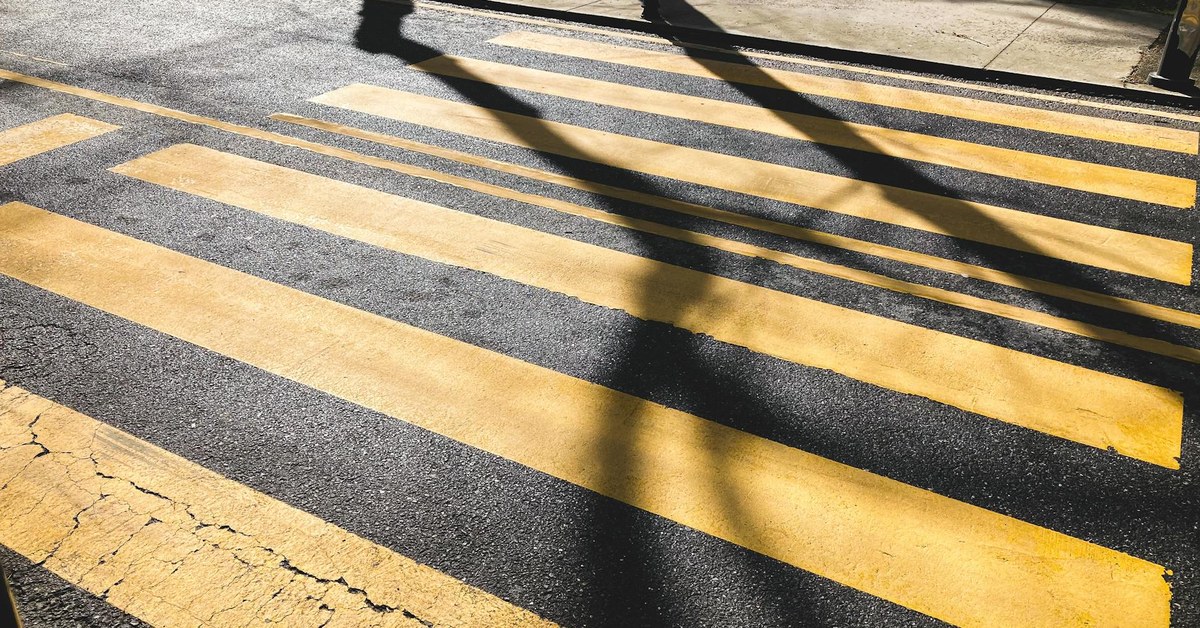

Creating Safe Zones: Urban Design & Community Strategies for Child Pedestrian Safety
“Explore how urban planning, infrastructure design, and community initiatives create safer pedestrian environments for children. Learn about proven strategies for secure streets.”
Ensuring children can walk safely in their communities is a fundamental aspect of child wellbeing and development. Unfortunately, road traffic injuries remain a significant threat globally, making effective urban planning child pedestrian safety strategies more critical than ever. This article explores how thoughtful urban design, robust infrastructure, and proactive community initiatives can transform hazardous streets into secure environments where children can play, learn, and travel independently.
The Critical Need for Safe Pedestrian Environments
Children are particularly vulnerable road users due to their developing cognitive and physical abilities. Their smaller stature, limited peripheral vision, and difficulty accurately judging speed and distance place them at higher risk in traffic environments designed primarily for adults and vehicles. The statistics underscore this grave concern. According to the World Health Organisation (WHO), road traffic injuries are the leading cause of death for children and young adults aged 5–29 years globally. Each year, approximately 1.3 million people die as a result of road traffic crashes, with children disproportionately affected.
The impact extends beyond fatalities and serious injuries. Unsafe pedestrian environments limit children’s independence, restrict their opportunities for physical activity, and reduce their access to local amenities, schools, and social interactions. This lack of freedom can hinder their overall development and mental health. A UNICEF report highlighted that unsafe streets contribute to sedentary lifestyles and reduced outdoor play, which are detrimental to children’s physical and psychological health. Addressing these challenges requires a multifaceted approach that integrates design, education, and enforcement.
Key Takeaway: Road traffic injuries are a leading cause of death for children globally, underscoring the urgent need for comprehensive urban planning that prioritises child pedestrian safety to protect young lives and promote healthy development.
Principles of Child-Friendly Urban Planning
Child-friendly urban planning goes beyond simply adding a few safety features; it involves a holistic redesign of urban spaces with children’s needs at the forefront. This approach recognises children as active citizens who require safe, accessible, and stimulating environments to thrive. [INTERNAL: promoting child safety in public spaces].
Urban design specialists advocate for several core principles:
- Prioritising Pedestrians and Cyclists: Shifting the focus from vehicle throughput to human movement. This involves creating dedicated, safe spaces for walking and cycling, making them the most convenient and attractive modes of transport for short distances.
- Reducing Traffic Speed: Speed is a primary determinant of injury severity. Lowering speed limits and implementing traffic calming measures are fundamental. For example, a child hit by a car travelling at 50 km/h (30 mph) is nearly eight times more likely to die than if hit by a car travelling at 30 km/h (20 mph).
- Enhancing Visibility and Legibility: Designing streets that are easy to navigate and where pedestrians are clearly visible to drivers, and vice versa. This includes clear sightlines, well-marked crossings, and adequate lighting.
- Creating Green and Play Spaces: Integrating parks, playgrounds, and natural elements into urban fabrics, ensuring they are safely accessible by foot. These spaces encourage outdoor activity and provide safe areas away from traffic.
- Community Engagement: Involving children, parents, and local residents in the planning and design process. Their unique perspectives can identify specific hazards and inform more effective solutions.
“A truly child-friendly city understands that investing in safe pedestrian infrastructure is an investment in the future health, independence, and overall wellbeing of its youngest citizens,” states an urban planning specialist.
Infrastructure Design for Enhanced Child Safety
Effective pedestrian safety infrastructure for kids involves a range of physical interventions designed to separate pedestrians from traffic, reduce vehicle speeds, and improve visibility.
Pavement and Walkway Design
- Continuous, Wide Pavements: Pavements should be wide enough to accommodate pedestrians, pushchairs, and wheelchairs comfortably, free from obstructions like street furniture or poorly placed utility poles. They should be continuous, without requiring pedestrians to step into the road unnecessarily.
- Buffer Zones: Creating a physical buffer between pavements and the carriageway using trees, planters, or parking lanes can provide a sense of safety and protection from moving vehicles.
- Accessibility: Ensuring pavements have smooth surfaces, appropriate ramps at crossings, and tactile paving for visually impaired pedestrians.
Safe Crossing Points
- Zebra and Pelican Crossings: Clearly marked and well-maintained crossings are crucial. Zebra crossings (marked with white stripes) give pedestrians priority. Pelican crossings (with traffic lights) provide a timed interval for pedestrians to cross safely.
- Raised Crossings and Intersections: Elevating crossings or entire intersections to pavement level forces vehicles to slow down significantly, improving pedestrian visibility and reducing the speed differential.
- Refuges/Central Islands: For wider roads, central pedestrian islands provide a safe waiting area, allowing pedestrians to cross one direction of traffic at a time.
- Controlled Intersections: Implementing traffic signals that include dedicated pedestrian phases, ensuring vehicles are stopped while pedestrians cross.
Traffic Calming Measures
- Speed Bumps and Cushions: Physical obstacles that force drivers to reduce speed. Speed cushions are designed to allow emergency vehicles to pass without significant impact.
- Chicanes and Road Narrowing: Altering the road’s alignment or width to create bends or bottlenecks, which naturally slow down traffic.
- Gateway Treatments: Visible changes at the entrance to residential areas or school zones, such as narrower roads, different paving materials, or prominent signage, signal to drivers that they are entering a sensitive area.
- 20 mph Zones: Implementing blanket speed limits of 20 mph (approximately 30 km/h) in residential areas and around schools has been proven to significantly reduce the severity and frequency of road traffic collisions. A study by the Royal Society for the Prevention of Accidents (RoSPA) in the UK indicated a reduction in child pedestrian injuries in areas with 20 mph limits.
Lighting and Visibility
- Adequate Street Lighting: Well-lit streets and crossings are essential, especially during darker months, to ensure pedestrians are visible to drivers and to enhance a sense of security.
- Clear Sightlines: Removing obstructions like overgrown vegetation, poorly placed signage, or parked vehicles that block drivers’ views of pedestrians or vice versa.
Community Engagement and Behavioural Strategies
While infrastructure is paramount, community pedestrian safety programs play a vital role in reinforcing safe behaviours and advocating for necessary changes.
School Travel Plans and Zones
- Safe Routes to School: Initiatives that identify and improve safe walking and cycling routes to schools, often involving community mapping exercises and infrastructure upgrades.
- School Street Schemes: Temporarily or permanently closing roads directly outside schools to vehicular traffic during drop-off and pick-up times, creating car-free zones for children.
- Walking Buses and Cycle Trains: Supervised groups of children who walk or cycle to school together, promoting active travel and providing a safe, organised way to commute. These are often run by parent volunteers, fostering strong community bonds.
Education and Awareness Campaigns
- Pedestrian Skills Training: Teaching children of all ages about road safety, including how to cross roads safely, recognise hazards, and understand traffic signs. Programmes often start in early childhood education settings and continue through primary school.
- Parent and Carer Education: Equipping adults with knowledge about supervising children safely near roads, the importance of role modelling good pedestrian behaviour, and advocating for safer local environments.
- Public Awareness Campaigns: Local authorities and organisations like the Red Cross or NSPCC run campaigns to remind drivers to be vigilant around schools and residential areas, slow down, and never drive under the influence.
Enforcement and Advocacy
- Police Enforcement: Regular enforcement of speed limits and traffic laws, particularly in sensitive areas like school zones, is crucial.
- Community Watch Programmes: Local residents can play a role in monitoring dangerous driving behaviours and reporting concerns to local authorities.
- Advocacy for Policy Change: Grassroots movements and parent groups can lobby local councils and government bodies for policy changes, increased funding for pedestrian infrastructure, and stricter enforcement. Organisations like Living Streets actively campaign for better pedestrian environments.
Key Takeaway: Community programmes, including school travel plans, pedestrian skills training, and advocacy, are essential complements to infrastructure improvements, fostering safe behaviours and driving policy change for child pedestrian safety.
Age-Specific Considerations in Pedestrian Safety
Recognising that children’s abilities evolve with age is crucial for effective child-friendly urban planning. Safety strategies must be tailored to their developmental stage.
Early Childhood (Under 5 years)
- Dependence on Adults: Children in this age group have very limited road safety awareness. They are impulsive, have poor peripheral vision, and cannot accurately judge speed or distance.
- Urban Planning Needs: Absolutely require safe, segregated play areas and car-free zones. Wide, continuous pavements are essential, as is safe access to parks and green spaces.
- Parental Role: Constant supervision is non-negotiable. Children should always hold an adult’s hand near roads.
Primary School Age (5-10 years)
- Developing Skills: Children begin to develop an understanding of road rules but may still be easily distracted and have difficulty with complex traffic situations. Their ability to locate sound and estimate speed is still immature.
- Urban Planning Needs: Clearly marked, well-lit crossings, 20 mph zones around schools, and safe routes to school programmes become highly relevant. Safe cycle paths and supervised walking buses are beneficial.
- Education Focus: Pedestrian skills training focusing on ‘Stop, Look, Listen, Think’ and understanding basic traffic signals. Emphasise the importance of crossing at designated points.
Older Children and Adolescents (11-18 years)
- Increased Independence: This group gains more independence and often walks or cycles alone. They are more capable of understanding complex traffic situations but may be prone to risk-taking behaviours or distractions from mobile phones.
- Urban Planning Needs: Safe and direct routes to public transport hubs, secondary schools, and recreational facilities. Good lighting, clear signage, and continued traffic calming are important. The design should encourage walking and cycling as independent travel options.
- Education Focus: Reinforce safe pedestrian and cycling behaviours, address distraction risks (e.g., using phones while walking), and encourage responsible decision-making. Promoting reflective gear for visibility during low light conditions is also important.
Measuring Impact and Continuous Improvement
Effective urban planning child pedestrian safety requires ongoing evaluation and adaptation. Communities must regularly assess the effectiveness of their interventions and be prepared to make adjustments.
- Data Collection and Analysis: Regularly collect data on child pedestrian incidents, including their location, time, and severity. This helps identify high-risk areas and inform future interventions. Organisations like the WHO provide frameworks for collecting such data.
- Safety Audits: Conduct regular pedestrian safety audits of existing infrastructure, particularly around schools and playgrounds. These audits, often performed by traffic engineers and urban planners, identify potential hazards and recommend improvements.
- Community Feedback Mechanisms: Establish channels for residents, especially parents and children, to report concerns or suggest improvements. This could be through online portals, community meetings, or school councils.
- Policy Advocacy: Continuously advocate for policies that support pedestrian safety, such as stricter building codes for new developments to include safe pedestrian infrastructure, or increased funding for active travel initiatives.
- Pilot Programmes and Innovation: Be open to piloting new technologies or design concepts, such as smart crossings that detect pedestrians or innovative traffic calming solutions, and evaluate their effectiveness.
An expert in public health and urban design notes, “Sustained improvements in child pedestrian safety come from a cycle of planning, implementation, evaluation, and continuous refinement, always with the community’s input at its core.”
What to Do Next
Creating safe environments for children requires concerted effort from individuals, communities, and local authorities. Here are concrete steps you can take:
- Audit Your Local Area: Walk with your children around your neighbourhood, especially routes to school or parks. Identify specific hazards like missing pavements, dangerous crossings, or fast traffic, and document them.
- Engage with Local Authorities: Report identified hazards to your local council’s highways or planning department. Attend community meetings or form a neighbourhood group to advocate for traffic calming measures and improved pedestrian infrastructure.
- Participate in School Initiatives: Support or help organise “walking buses,” “cycle trains,” or “School Street” schemes. Volunteer for road safety education programmes within your child’s school.
- Educate and Role Model: Consistently teach your children safe pedestrian behaviours, reinforcing messages about looking before crossing, making eye contact with drivers, and avoiding distractions. Always model these behaviours yourself.
- Support Advocacy Organisations: Join or support national and international organisations dedicated to pedestrian safety and child-friendly urban planning, such as Living Streets, WHO, or UNICEF, to amplify the call for safer communities globally.
Sources and Further Reading
- World Health Organisation (WHO) – Road traffic injuries: https://www.who.int/news-room/fact-sheets/detail/road-traffic-injuries
- UNICEF – The State of the World’s Children reports (various years, focus on urban environments and child wellbeing): https://www.unicef.org/reports/state-worlds-children
- National Society for the Prevention of Cruelty to Children (NSPCC) – General child safety advice: https://www.nspcc.org.uk/
- Living Streets (UK) – Campaigns for everyday walking: https://www.livingstreets.org.uk/
- Royal Society for the Prevention of Accidents (RoSPA) – Road Safety Information: https://www.rospa.com/