Beyond the Sidewalk: Navigating Urban Pedestrian Safety Challenges for Preschoolers and Early Elementary Children
Discover essential strategies for keeping preschoolers & early elementary kids safe as pedestrians in busy urban environments. Learn to navigate unique challenges.
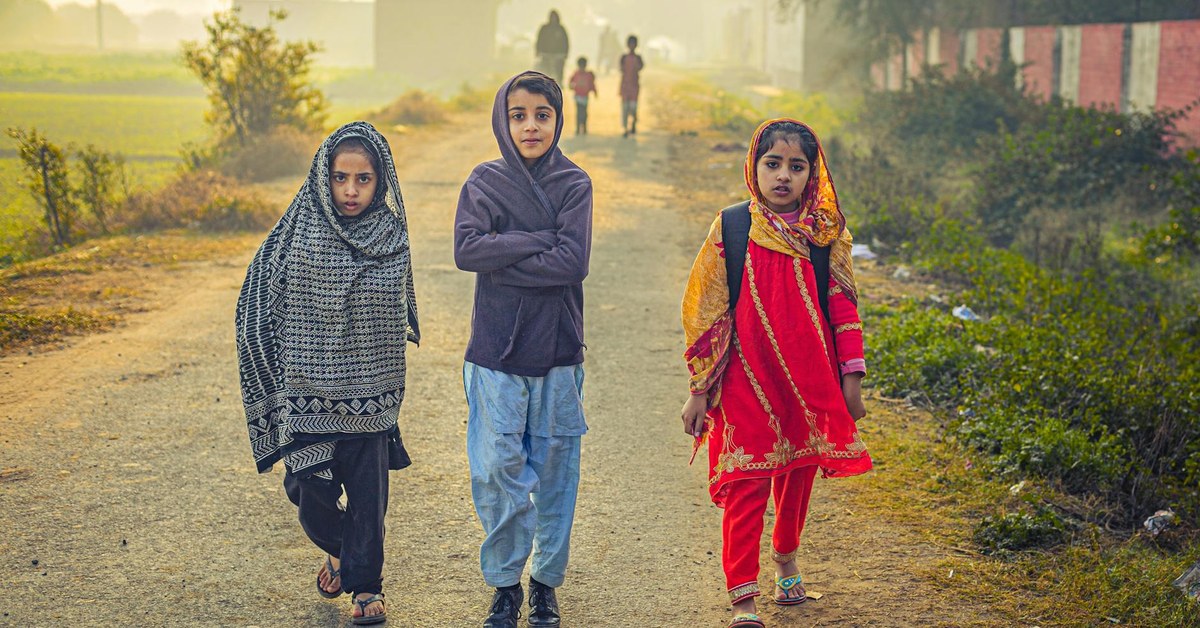

Beyond the Sidewalk: Navigating Urban Pedestrian Safety Challenges for Preschoolers and Early Elementary Children
“Discover essential strategies for keeping preschoolers & early elementary kids safe as pedestrians in busy urban environments. Learn to navigate unique challenges.”
Ensuring the urban pedestrian safety of preschoolers and early elementary children presents unique and often complex challenges. Busy cityscapes, with their constant flow of traffic, numerous distractions, and varied infrastructure, demand a proactive and informed approach to child road safety. While children naturally explore their surroundings, their developmental stage means they lack the cognitive abilities and experience to navigate these environments independently. This article explores essential strategies and practical advice for parents and carers to equip young children with the skills and awareness needed to stay safe when walking in urban areas.
Understanding the Unique Risks of Urban Environments for Young Pedestrians
Urban settings inherently pose greater risks for young pedestrians compared to quieter suburban or rural areas. The sheer volume of vehicles, the speed at which they travel, and the complexity of intersections create a demanding environment for developing minds. According to the World Health Organisation (WHO), road traffic injuries are a leading cause of death for children and young adults globally, with pedestrians accounting for a significant proportion of these fatalities. In 2023, a WHO report highlighted that low-income countries bear a disproportionately high burden of these injuries, often due to inadequate infrastructure and enforcement.
Children aged three to eight years face specific vulnerabilities: * Limited Peripheral Vision: Their field of vision is narrower than an adult’s, making it harder for them to spot vehicles approaching from the side. * Difficulty Judging Speed and Distance: Young children struggle to accurately estimate how fast a car is moving or how far away it is, leading to misjudgements when crossing. * Impulse Control and Distraction: They are easily distracted by sights and sounds, and their impulse control is still developing, making them prone to sudden movements into traffic. * Smaller Stature: Children are often less visible to drivers, especially when obscured by parked cars, buses, or street furniture. * Lack of Abstract Thinking: Concepts like “safe” versus “unsafe” are concrete for them, not abstract. They need direct instruction and repeated practice.
“A child safety expert advises, ‘Children under the age of ten often lack the peripheral vision, judgement of speed and distance, and impulse control necessary to navigate complex urban traffic situations safely on their own. Adults must always supervise them closely and actively teach them critical road safety skills,’” states a representative from a leading child protection organisation.
Key Takeaway: Urban environments amplify pedestrian risks for young children due to their developmental limitations in vision, judgement, and impulse control, alongside the high volume and speed of traffic. Adult supervision and active teaching are paramount.
Essential Strategies for Teaching Young Children Pedestrian Rules
Effective teaching young children pedestrian rules involves a combination of direct instruction, consistent modelling, and practical, hands-on experience. This process must be tailored to the child’s age and developmental stage, gradually building their understanding and skills.
For Preschoolers (Ages 3-5)
At this age, the primary focus is on foundational safety habits and understanding basic rules. * Hold Hands, Always: Emphasise that they must always hold an adult’s hand when walking near roads. Make it a non-negotiable rule. * “Stop, Look, Listen, Think”: Teach this mantra for every curb. Practise stopping at the edge of the pavement, looking left, right, then left again, listening for traffic, and thinking if it’s safe to cross. * Understand Traffic Lights: Explain the meaning of red, amber, and green lights for both vehicles and pedestrians. Use simple terms like “red means stop, green means go.” * Stay on the Pavement: Teach them to walk on the inside of the pavement, away from the kerb, and to never run into the road. * Identify Safe Crossing Points: Point out designated crossings, such as zebra crossings, pelican crossings, and signalised intersections. Explain why these are safer than crossing elsewhere. * Role-Play Scenarios: Use toys or even just words to act out crossing the road safely. This helps them visualise the process without real-world danger.
For Early Elementary Children (Ages 5-8)
As children mature, you can introduce more nuanced concepts and encourage greater participation in safety decisions, always under adult supervision. * Predicting Vehicle Behaviour: Discuss how drivers might behave. “That car might turn without signalling,” or “The driver of that delivery van might not see us.” * Hazard Perception: Teach them to look beyond the immediate traffic. What about parked cars? What about driveways? What about cyclists on shared paths? * Choosing the Safest Route: Involve them in planning walks. “Which way has fewer roads to cross?” “Which crossing looks safest?” This develops their critical thinking. * Using Crossing Guards: Explain the role of school crossing patrols and how to follow their instructions. * Understanding Distractions: Discuss how mobile phones or headphones can distract pedestrians and drivers, reinforcing the need to be fully aware. * Visibility Matters: Explain why wearing bright colours, especially reflective gear, helps drivers see them, particularly in low light. The Royal Society for the Prevention of Accidents (RoSPA) frequently highlights the importance of visibility for child pedestrians.
Navigating Specific Urban Challenges
Urban environments present specific hurdles for child road safety urban strategies. Addressing these proactively can significantly reduce risk.
Busy Intersections and Roundabouts
These are often confusing for young children. Always cross at designated points, even if it means walking a little further. Explain the different phases of traffic lights and pedestrian signals. At roundabouts, avoid crossing where traffic flows rapidly; seek out crossings further along the connecting roads.
Parked Cars and Blind Spots
Parked cars create significant blind spots for both pedestrians and drivers. Teach children never to run out from between parked cars. When crossing, ensure you step out far enough to see oncoming traffic clearly and that drivers can see you.
Shared Paths and Cycle Lanes
Many cities have paths shared by pedestrians and cyclists. Teach children to walk predictably, avoid sudden movements, and be aware of cyclists approaching from behind. Cyclists often travel silently and quickly.
Quiet Electric Vehicles
The rise of electric cars and scooters means less engine noise, which can be a hazard as children rely on sound cues. Emphasise looking as much as listening.
Distracted Drivers and Pedestrians
Both drivers and pedestrians can be distracted by mobile devices or conversations. Model good behaviour by putting your phone away when walking with children. Teach children to make eye contact with drivers before crossing, if possible.
Practical Steps for Parents and Carers
Implementing effective preschooler traffic safety tips requires consistency and active participation from adults.
- Be a Role Model: Children learn by observing. Always follow road safety rules yourself. Cross at designated points, wait for signals, and put your phone away.
- Practise Regularly: The more you walk with your child and practise safety rules, the more ingrained they become. Start with quieter streets and gradually introduce more complex scenarios.
- Use Reflective Gear: Especially during darker months or in areas with poor lighting, ensure children wear bright, reflective clothing or accessories. Simple reflective strips on coats or bags can make a big difference.
- Engage in Conversation: Talk about what you see on the streets. “Why is that car slowing down?” “Do you think it’s safe to cross now?” This builds their awareness and understanding.
- Child-Friendly GPS Trackers: For older elementary children who might be walking slightly more independently (e.g., to a friend’s house nearby, under strict rules), a child-friendly GPS tracking watch can offer peace of mind, allowing parents to monitor their location. This is not a substitute for supervision, but an added layer of safety. [INTERNAL: choosing safe tech for children]
- Advocate for Safer Infrastructure: Support local initiatives that aim to improve pedestrian infrastructure, such as wider pavements, more visible crossings, and lower speed limits in residential areas. Many organisations like UNICEF advocate for safer streets for children globally.
What to Do Next
- Assess Your Regular Routes: Walk your usual routes to school, parks, or shops from a child’s perspective. Identify any hazardous spots and plan safer alternatives or strategies for those areas.
- Start Practising Today: Begin incorporating “Stop, Look, Listen, Think” into every walk. Make it a fun, interactive game rather than a strict lesson.
- Invest in Visibility: Ensure your child has bright outerwear or reflective accessories, especially if walking during dawn, dusk, or at night.
- Discuss Distractions: Have an age-appropriate conversation with your child about the dangers of distractions, both for themselves and for drivers.
- Review HomeSafe Education Resources: Explore other articles on [INTERNAL: general child safety] and [INTERNAL: home safety for children] for a holistic approach to keeping your family safe.
Sources and Further Reading
- World Health Organisation (WHO) – Road Traffic Injuries: www.who.int/news-room/fact-sheets/detail/road-traffic-injuries
- UNICEF – Child Road Safety: www.unicef.org/transport
- The Royal Society for the Prevention of Accidents (RoSPA) – Child Road Safety: www.rospa.com/road-safety/advice/pedestrians/children
- NSPCC (National Society for the Prevention of Cruelty to Children) – Keeping Children Safe: www.nspcc.org.uk