Travel Insurance Essentials
Travel insurance is not a luxury for older travellers; it is a necessity. Learn what to look for in a policy, what pre-existing conditions mean for your cover, and how to ensure you are properly protected abroad.
Expert resources and practical tips on safety for families, teens, children, elders, and travelers.
2,991 articles ยท Page 33 of 100

Travel insurance is not a luxury for older travellers; it is a necessity. Learn what to look for in a policy, what pre-existing conditions mean for your cover, and how to ensure you are properly protected abroad.

Many young adults skip travel insurance to save money, not realising that a single medical emergency abroad can result in bills that dwarf the cost of years of insurance premiums. This guide explains what you need and why.

LGBTQ+ older adults face specific safety considerations when travelling, as attitudes and laws toward same-sex relationships and gender identity vary enormously between countries. This guide helps you plan safe, enjoyable trips with accurate awareness of the risks and resources available.

Travelling with diabetes requires careful planning, but it should not stop you from exploring the world. Learn how to manage your insulin, blood sugar, diet, and medical supplies safely across time zones and in different climates.

A heart condition does not have to end your travelling days. With the right medical preparation, practical precautions, and awareness of warning signs, most older adults with cardiovascular conditions can travel safely and enjoyably.

A respiratory condition does not have to ground you. Millions of older adults with COPD, asthma, and other lung conditions travel safely every year. The key is thorough preparation, understanding your specific risks, and knowing how to manage your condition in different environments.

Visiting destinations with political instability, civil unrest, or elevated security risk requires specific preparation and real-time awareness. This guide covers how to assess risk before you go and how to stay safe if the situation changes while you are there.

Extreme heat in desert regions and tropical destinations, and extreme cold in Arctic, alpine, and winter destinations, pose serious risks for older travellers whose thermoregulatory systems are less efficient than those of younger people. This guide covers how to prepare for and manage temperature extremes safely.

Solo female travel is one of life's great experiences. It is also something women are socialised to fear more than is necessary and prepared for less thoroughly than they deserve. This guide gives practical, honest advice that respects your autonomy and your intelligence.

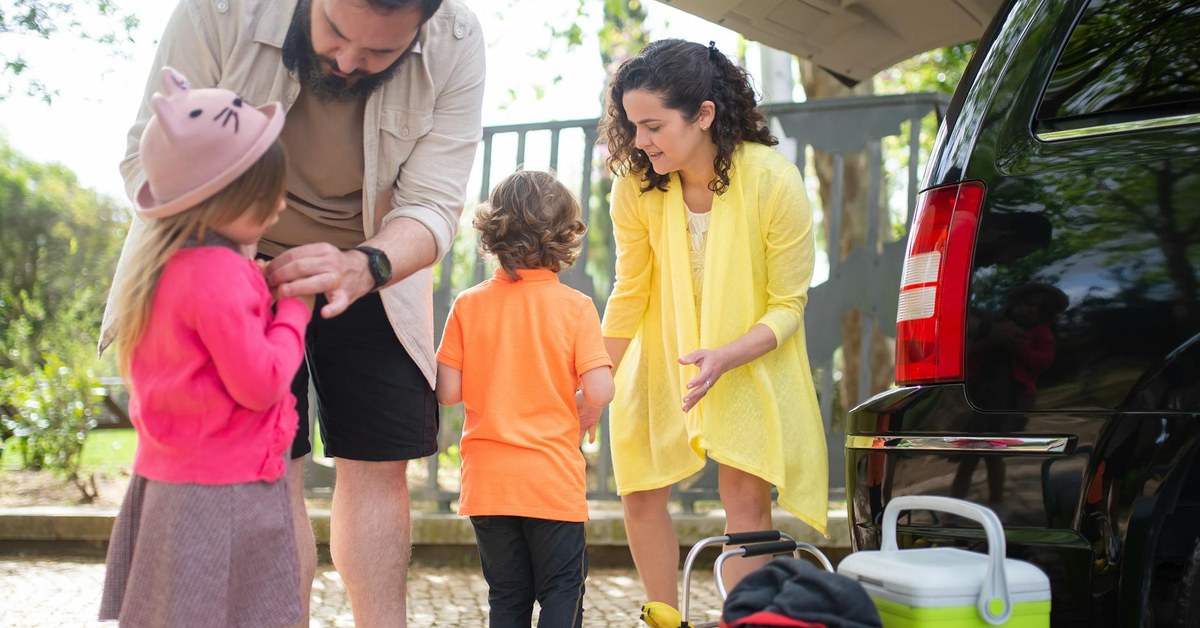
A comprehensive guide for parents on keeping children safe during travel, covering preparation, flight safety, car journeys, lost children protocols, health precautions, and how to handle emergencies abroad.

Hearing loss affects millions of older adults and presents specific challenges when travelling. From airport announcements to hotel fire alarms, from ordering in restaurants to communicating in emergencies, this guide covers the practical steps that make travel safe and enjoyable for those with hearing impairment.

Vision loss does not have to mean the end of travel. With the right preparation, technology, and support, older adults with low vision or blindness can travel safely and enjoyably. This guide covers practical strategies for airports, accommodation, navigation, and staying safe at every stage of a journey.

From fake taxi drivers to friendship bracelet traps, travel scams targeting young tourists are found worldwide. Learn to recognise the most common ones and protect your trip.

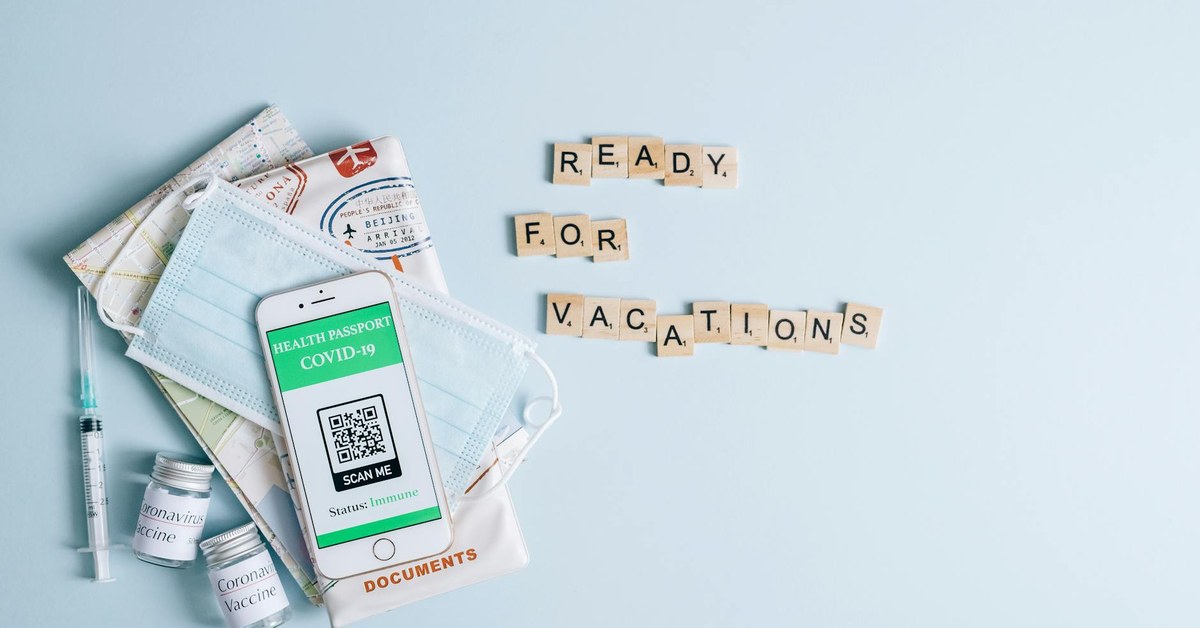
Travel vaccinations protect older adults from serious infectious diseases that can be life-threatening, particularly for those with reduced immune function. This guide explains which vaccines are routinely recommended for travellers, why older adults may need additional protection, and how to prepare for a travel health appointment.

Preparing your health before travelling abroad is just as important as booking your flights and packing your bags. This guide covers vaccinations, health checks, and practical preparation for young adult travellers.

Dementia does not automatically mean that travel becomes impossible, but it does mean that planning, preparation, and flexibility need to become the foundation of every trip. This guide covers how to travel safely with a person who has dementia or mild cognitive impairment, from choosing appropriate destinations to managing disorientation and emergencies.

Grandparents travelling alone with grandchildren face unique responsibilities and planning challenges. From medical authorisation to age-appropriate activities, from child safety in hotels to managing emergencies, this guide covers everything grandparents need to know before setting off on a trip with grandchildren in their care.

For many older adults, a pet is a constant companion whose welfare is a genuine priority when planning any trip away from home. Whether you choose to bring your pet with you or to arrange excellent care in your absence, the decision deserves careful thought and thorough preparation. This guide covers the key considerations for both approaches.

Living with a family member who has an addiction is one of the hardest experiences a young adult can face. This guide explores how to protect your wellbeing, set boundaries, and find support.

Addiction is widely misunderstood, including by young people who may be developing problematic relationships with substances or behaviours without recognising it. This guide gives teenagers honest, science-based information about how addiction works and what to do if something feels out of control.

Anxiety disorders are among the most common mental health conditions affecting young adults worldwide. This guide explains generalised anxiety disorder, phobias, and panic disorder in clear, accessible terms.

Anxiety is the most common mental health condition globally and is particularly prevalent among young adults. Understanding what it actually is, how it works, and what effective help looks like changes how you navigate it.

Being arrested is frightening, but knowing your rights beforehand can make a significant difference. This guide explains what happens during an arrest, your legal rights, and how to navigate the justice system as a young adult.

Bipolar disorder most commonly emerges in late adolescence and early adulthood. Understanding what it is, how it presents, and how to get a proper diagnosis can make a profound difference to long-term outcomes.

Consent is the foundation of healthy relationships and safe sexual encounters. Understanding what it means, how it works in practice, and how to communicate it clearly is essential for every young adult.


Curiosity about the dark web is natural, but the risks are real and serious. This honest guide gives teenagers the information they need to make informed decisions.

Eating disorders are serious mental illnesses, not phases or choices. This guide helps parents recognise the signs, approach the conversation, and get the right support.

Eating disorders are serious, complex mental health conditions that affect teenagers of all genders and backgrounds. Early recognition and the right response can significantly improve outcomes.

Your employment contract is one of the most important documents you will sign as a young worker. Understanding what it says, what your rights are, and what to look out for can protect your income, wellbeing, and career.