Teaching Road Safety to Young Children
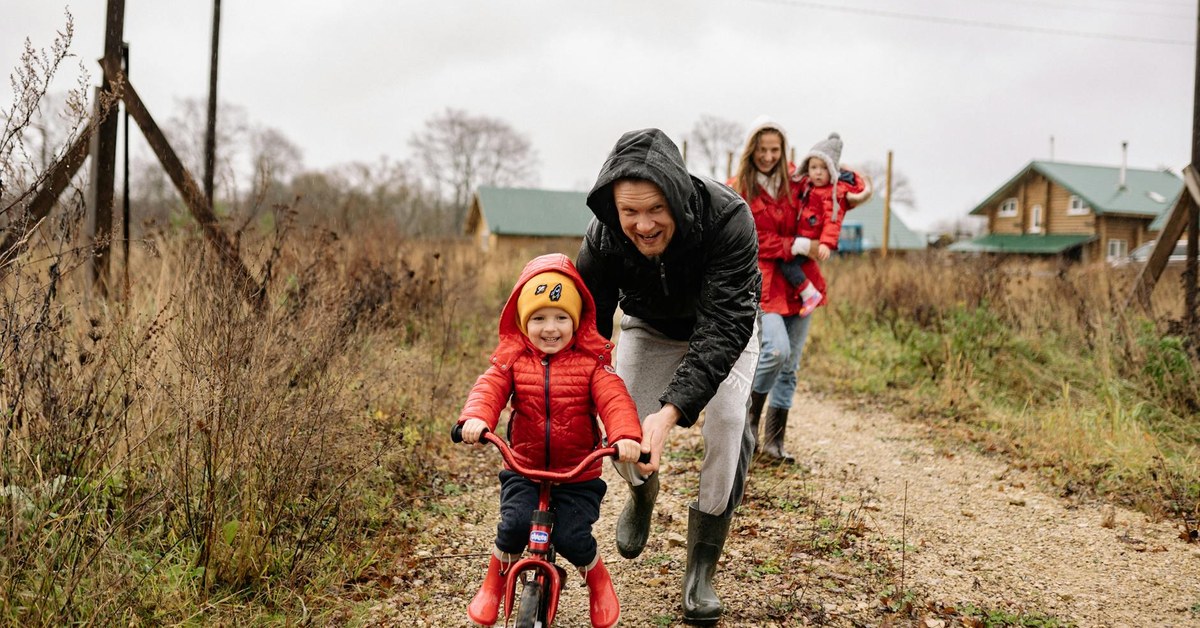
Road accidents remain a leading cause of death and serious injury in children. Learn evidence-based strategies for teaching road safety skills to children aged 4-7 in a way that genuinely protects them.
Expert resources and practical tips on safety for families, teens, children, elders, and travelers.
2,991 articles ยท Page 32 of 100

Road accidents remain a leading cause of death and serious injury in children. Learn evidence-based strategies for teaching road safety skills to children aged 4-7 in a way that genuinely protects them.

Teenagers need a nuanced, real-world understanding of consent that goes well beyond "yes means yes". Here's how parents and educators can have that conversation effectively.

Technology designed to support independent living has advanced enormously in recent years, offering older adults tools that can enhance safety, maintain connection, manage health, and extend independence. This guide covers the most practical and accessible technologies available, with honest assessment of what works and what to consider before investing.

A guide for parents on supporting teenagers through their first relationships, teaching them what healthy and unhealthy relationship dynamics look like, and recognising warning signs of teen dating abuse.

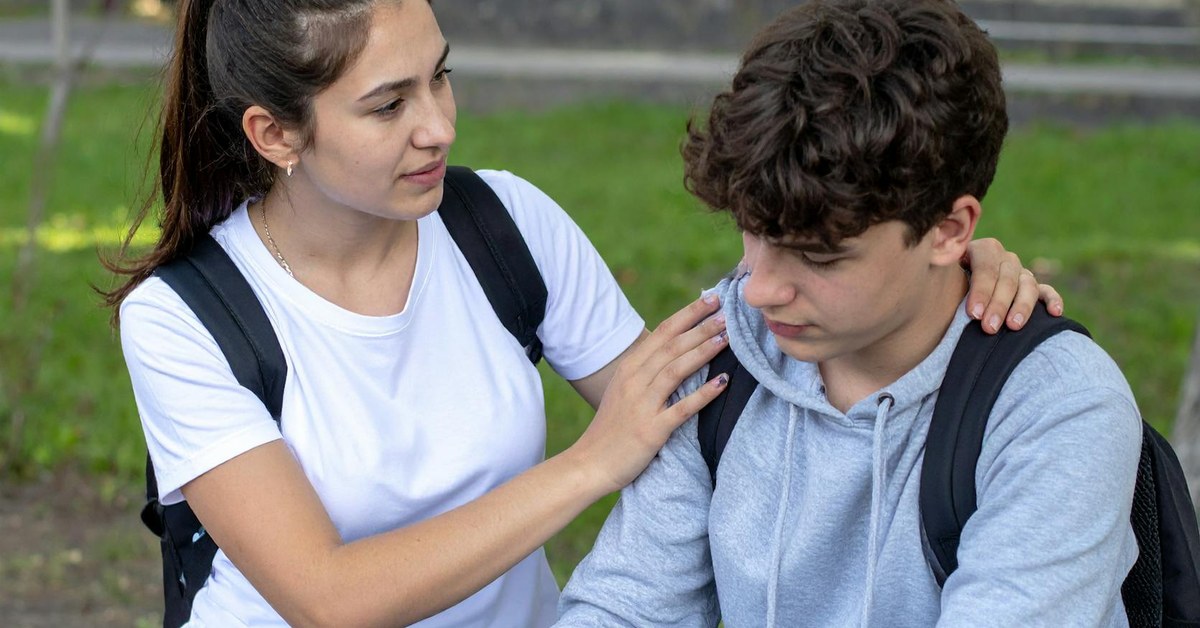
Depression in teenagers looks different from adult depression and is frequently missed. This guide helps parents and carers understand the signs, how to open a conversation, and how to access the right help.

Young drivers face a disproportionate risk of road accidents in their first year of driving. This guide explains why, the specific risks that matter most, and the practical measures that genuinely reduce danger for new teenage drivers.

Road traffic accidents are the leading cause of death among young people aged 15-29 worldwide. This guide covers the key risks for new teen drivers, practical safety strategies, and how families can support young people through the highest-risk period of their driving lives.

A comprehensive guide for parents on helping teenagers become safer drivers, covering the risks specific to young drivers, graduated licensing systems, passenger safety, phone use, and having ongoing safety conversations.

Motor vehicle accidents are the leading cause of death for teenagers in many countries. New teen drivers face specific, well-documented risks that can be substantially reduced with the right preparation, supervision, and family conversations. This guide covers everything parents need to know.

Loneliness among teenagers is at historically high levels globally. Digital connection offers both genuine relief and the risk of substituting for the deeper connections young people need. This guide explores how to find the balance.

Mental health challenges among teenagers have risen significantly in recent years, with social media, academic pressure, and digital connectivity all playing a role. This guide helps families understand the signs of anxiety and depression in teenagers, and what to do about them.

Knowing when a teenager's mental health situation has become a crisis requiring emergency intervention can be one of the most difficult judgments a parent faces. This guide helps families recognise genuine emergencies, know what to expect from crisis services, and understand what to do while waiting for help.

Teenagers turn to the internet for sexual health information, but the quality and accuracy of what they find varies enormously. This guide explains how to help young people find reliable information and navigate the serious risks of misinformation in this area.

Sleep deprivation is reaching crisis levels among teenagers worldwide. This guide goes beyond the usual screen time advice to explore the real causes of teen sleep problems and the practical strategies that genuinely make a difference.

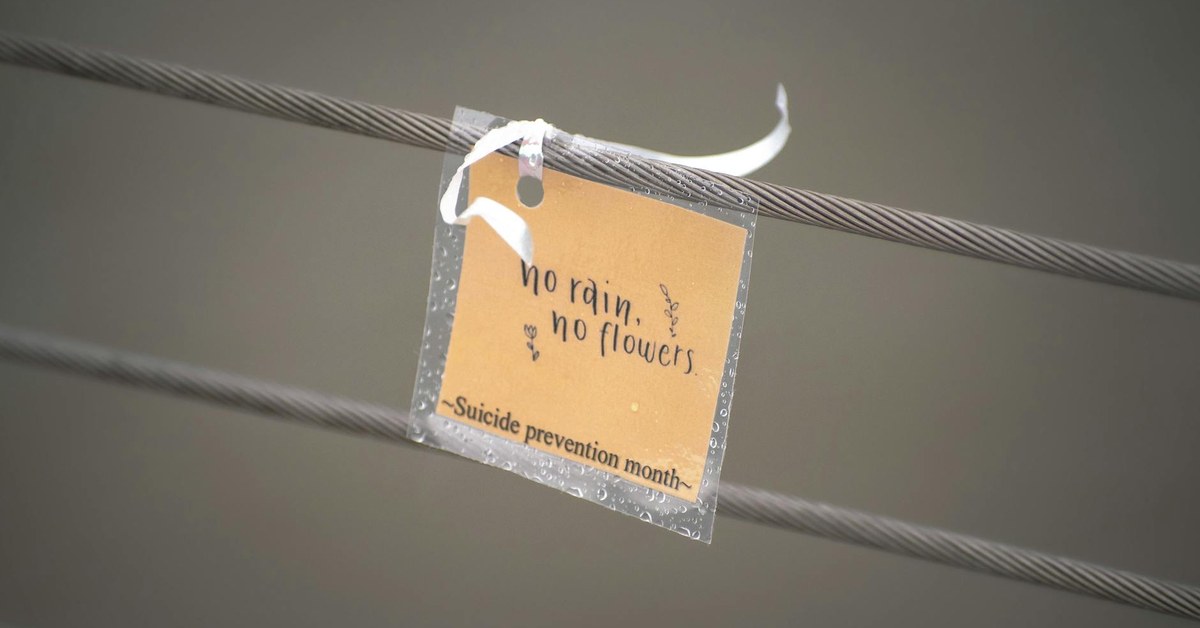
Suicide is a leading cause of death among teenagers globally, yet many families feel ill-equipped to talk about it. This guide gives parents and carers the knowledge to recognise warning signs, have difficult conversations, and access help.

Vaping among teenagers has increased sharply worldwide. This guide covers what vaping actually is, what the health evidence says, why it appeals to young people, and how parents can have an effective conversation about it.

A guide for parents on understanding the risks of vaping for teenagers, recognising the signs of use, having productive conversations, and knowing when and how to seek help for a young person who is vaping regularly.

Alcohol use among teenagers remains widespread globally despite legal restrictions. This guide gives young people honest facts about alcohol, explains the specific risks for developing brains, and offers practical strategies for navigating peer pressure.

A practical guide for parents on keeping teenagers safe at parties and social events, covering conversations about alcohol, drugs, consent, staying in contact, and making a safety plan together.

A guide for parents on talking to teenagers about healthy and unhealthy relationship patterns, recognising early warning signs of controlling behaviour, and supporting young people who may be in a harmful relationship.

AI tools are now part of everyday teenage life, from homework help to image generation. This guide explains the real risks, the genuine benefits, and how young people can use AI tools responsibly and critically.

Theft is one of the most common crimes affecting students worldwide, from opportunistic bag snatching to organised accommodation break-ins. This guide covers practical, proven strategies to protect your belongings wherever you are.

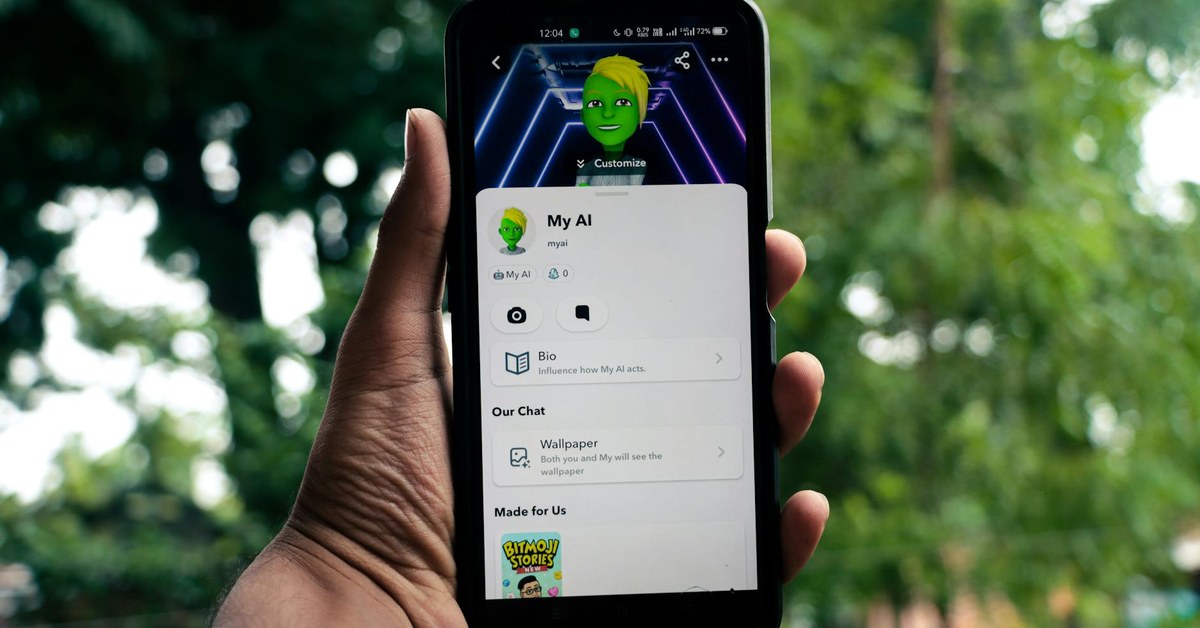
TikTok and Snapchat are among the most popular platforms for young people worldwide. Both carry specific risks around privacy, predatory contact, misinformation, and harmful content. This guide covers everything families need to know to stay safe.

TikTok is one of the most-used platforms by teenagers worldwide, but its algorithm, comment sections, and direct messaging carry specific risks. This guide explains those risks clearly and gives families practical guidance.

Timeshare and holiday club scams have defrauded millions of people worldwide, often targeting older adults with promises of luxury holidays and investment returns. Learn how these schemes work and how to avoid them.

Not all friendships are good for us. Learning to recognise unhealthy friendship dynamics, set boundaries, and sometimes end relationships that are causing harm is a crucial but rarely taught social skill.


The transition from university to the working world can be a mental health minefield. Structured support disappears overnight. Here is how to stay on top of your wellbeing through one of life's biggest changes.

Starting university is one of life's biggest transitions. This practical guide covers personal safety, mental health, finances, and the everyday skills that will help you thrive from day one.

Travellers who are prepared for health risks abroad are significantly less likely to experience serious illness and significantly better placed to handle it if they do. This guide covers vaccinations, food and water safety, mosquitoes, and when to see a doctor.